
At least 2,019 pigeons were shot at railway stations and depots across the United Kingdom during a 16-month period ending in March 2026, according to figures assembled through freedom-of-information requests.
The documented total includes hundreds of birds killed at major stations and rail facilities. Because freedom-of-information law does not apply in the same way to every private train company, the true number may be higher.
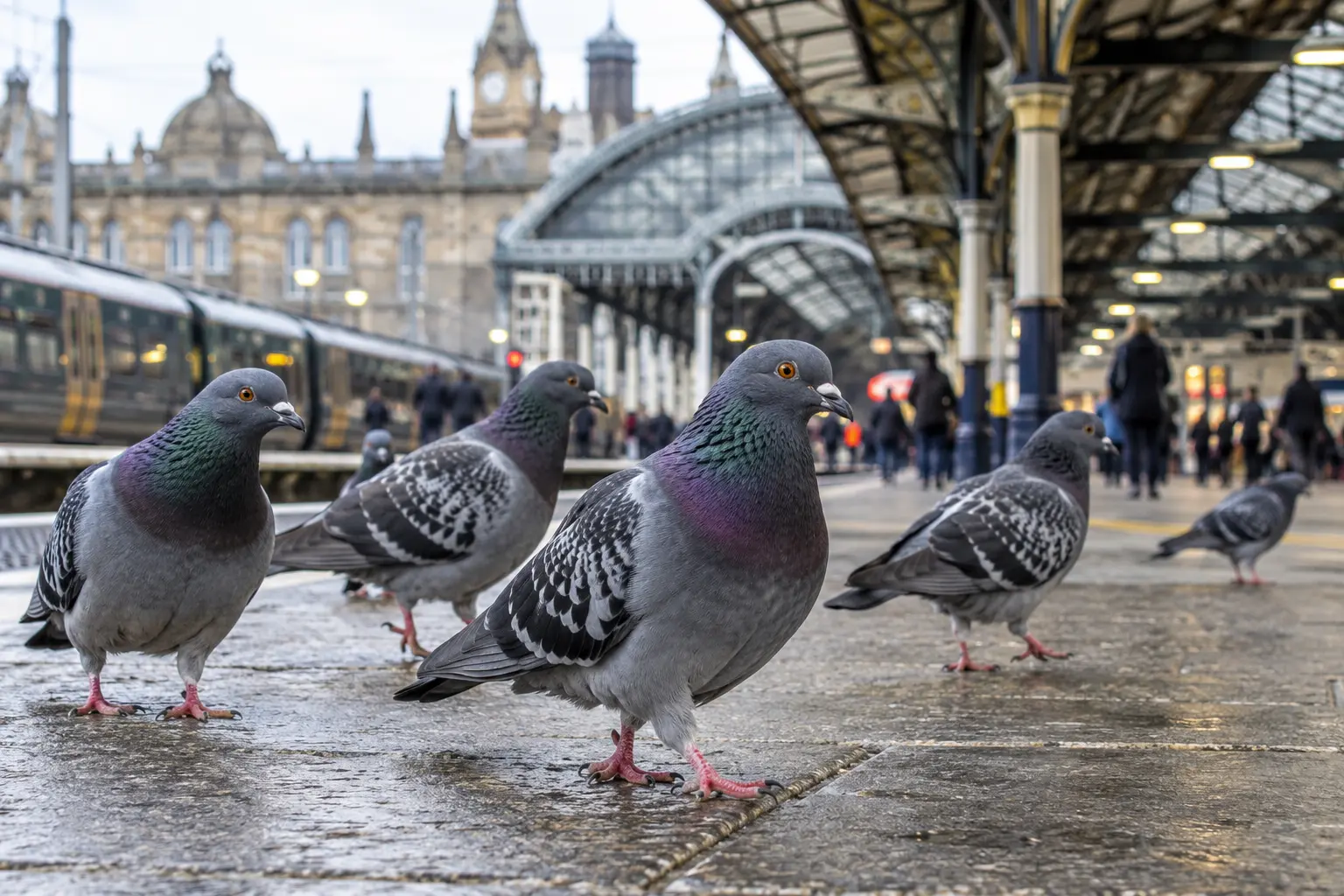
What the figures show
The investigation found that London North Eastern Railway, known as LNER, accounted for more than 800 pigeon deaths in the year and four months to March 2026. About three-quarters of those birds were reportedly shot at York station.
Network Rail was reported to have killed about 600 pigeons across Bristol Temple Meads, London Euston and Edinburgh Waverley. Separate records obtained by Manchester Pigeon Rehab documented 655 pigeon deaths during more than 120 organised shoots at London Underground stations and depots between March 2024 and March 2026.
Operators said professional contractors generally carried out the shooting at night using air rifles. The stated reasons included reducing droppings that can create slippery surfaces, hygiene concerns and damage to railway property.
What railway organisations say
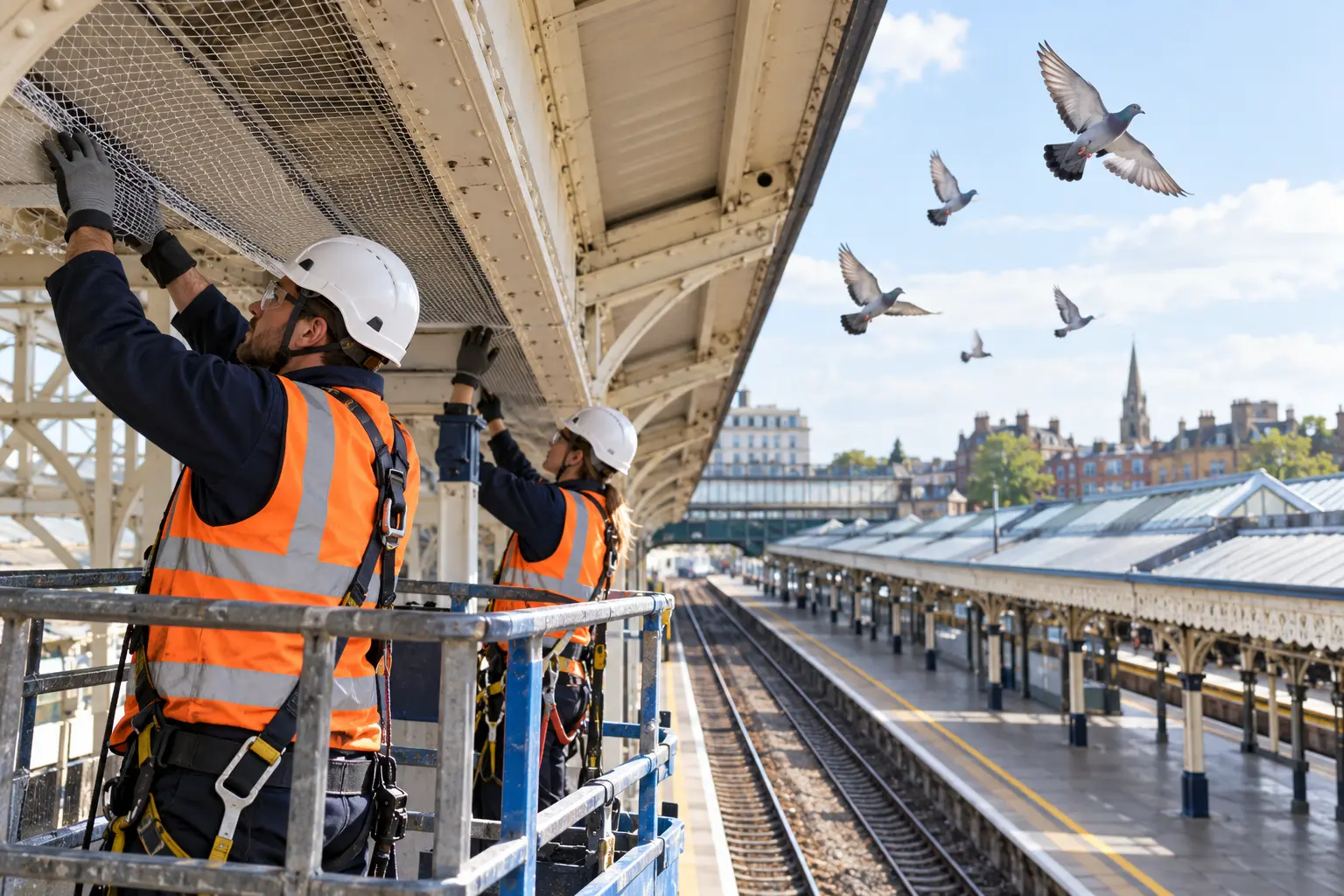
Transport for London has said prevention is its primary approach and that lethal removal is used only after appropriate nonlethal measures have been exhausted. It said it employs trained bird-control contractors and is testing or expanding measures such as laser deterrents, closing access gaps and installing mesh.
Those explanations recognise a real operational problem. Large accumulations of droppings can create cleaning demands and, in some locations, potential slip hazards. Railway stations also contain complicated roof spaces and ledges where birds can nest.
The debate is therefore not about whether stations should manage genuine safety risks. It is about whether shooting should remain a routine response when design changes, exclusion, maintenance and population-management alternatives may be available.
Why campaigners object
Wildlife advocates argue that shooting can wound rather than immediately kill birds and does not address the food, shelter and nesting opportunities that attracted them. Records reported from individual culling operations included birds that could not be recovered after being shot, intensifying concerns about prolonged suffering.
Critics have called for properly installed and regularly inspected exclusion mesh, repairs to entry points, tighter control of food waste, humane deterrents and reproductive-control methods where appropriate. Poorly installed netting can itself trap birds, so nonlethal measures also require careful design and monitoring.
The legal position
Wild birds are protected under the Wildlife and Countryside Act 1981, but that protection is not an absolute ban on control. In England, Natural England’s 2026 general licence GL41 permits authorised people to kill or take certain birds, including feral pigeons, for public-health or public-safety purposes when the licence conditions are met.
The licence does not make every pigeon cull automatically lawful. Those acting under it must comply with its purpose and conditions, and different licensing arrangements apply in Scotland, Wales and Northern Ireland. The legal framework is important because the reported incidents occurred across several parts of the UK.
A problem created around human infrastructure
Feral pigeons descend from domesticated rock doves and have lived alongside people for generations. Railway stations offer shelter, warmth, ledges and discarded food—the same conditions that allow populations to grow and then bring them into conflict with operators.
That makes long-term prevention more than an act of compassion. If buildings continue to provide easy nesting access and reliable food, killing birds may create only temporary space for others to return.
The documented deaths of more than 2,000 pigeons have forced a wider question into public view: whether Britain’s rail industry can protect passengers and workers while investing more consistently in solutions that prevent conflict without repeated killing.
Sources
- BBC News investigation: 2,000 pigeons shot with rifles at railway stations
- The Standard: London Underground pigeon culls
- Natural England: 2026 general licence GL41
