
Some vehicles quietly slip into obscurity throughout automotive history, overshadowed by their more celebrated counterparts.
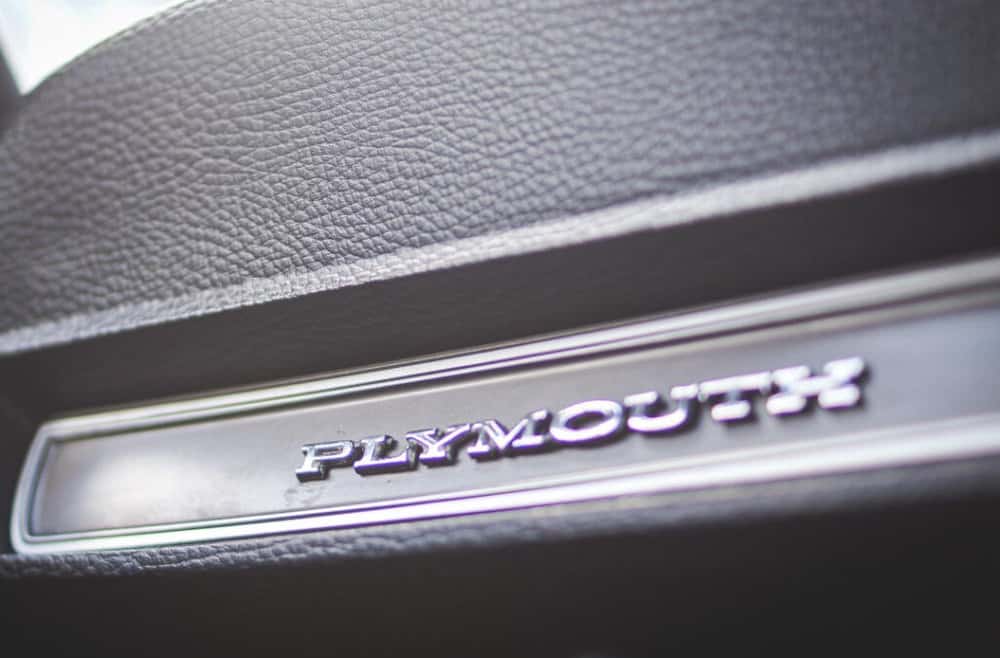
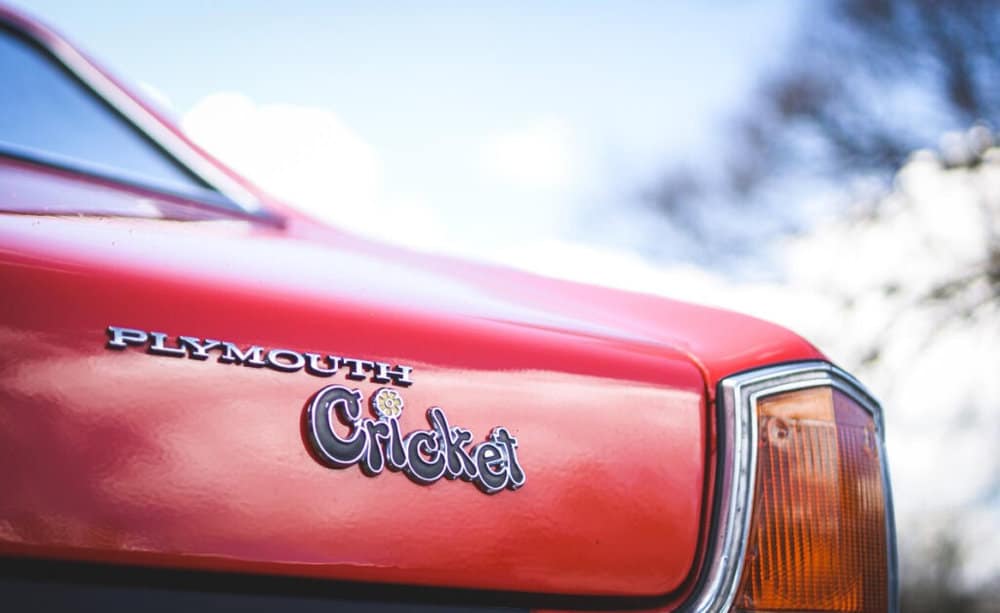
Yet, nestled among these forgotten relics lies the 1971 Plymouth Cricket—a compact car with a narrative worth rediscovering.
If you prefer not to read the full story,
Skip ahead to watch the video ->
Despite its brief stint on the production line and its humble reputation, the Cricket holds a distinctive spot in the annals of American motoring.
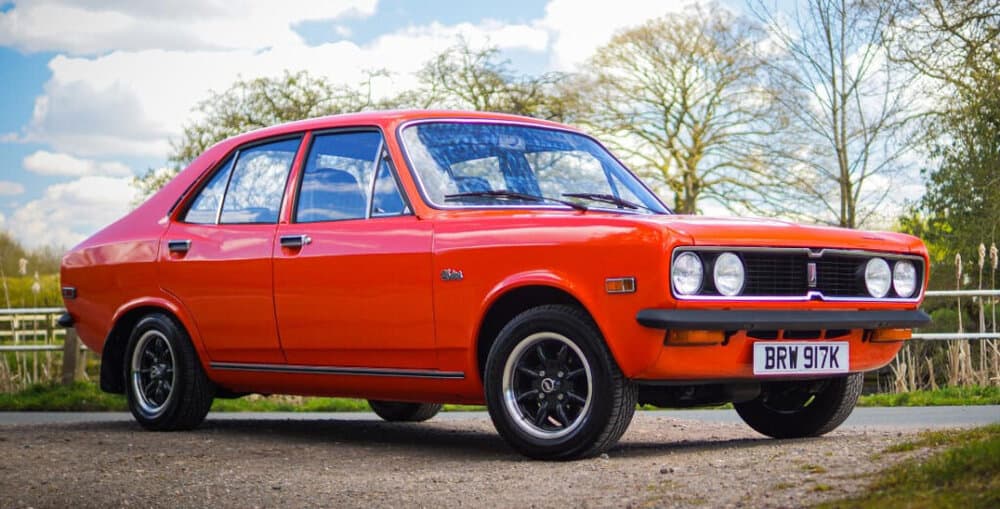
Let’s dive into the saga of this underestimated car and unravel the reasons behind its enduring allure.
Origins and Development
The tale of the Plymouth Cricket doesn’t unfold in the bustling streets of Detroit but across the Atlantic in Europe.
In the late 1960s, the British automaker Rootes Group, renowned for brands like Hillman, Sunbeam, and Singer, introduced the Hillman Avenger—a compact vehicle designed to rival the Ford Escort and Vauxhall Viva in Europe’s cutthroat automotive market.

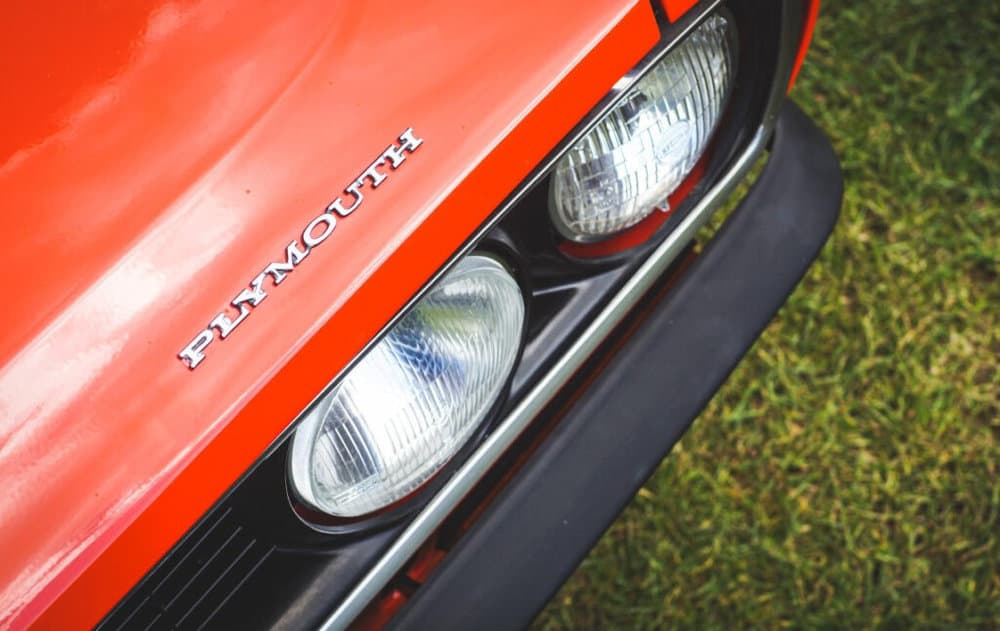
Recognizing an opportunity to expand its portfolio and capitalize on the increasing demand for smaller, more fuel-efficient cars in the United States, Chrysler Corporation, Plymouth’s parent company, inked a deal with Rootes Group to import and rebrand the Hillman Avenger as the Plymouth Cricket for American consumers.
Design and Features
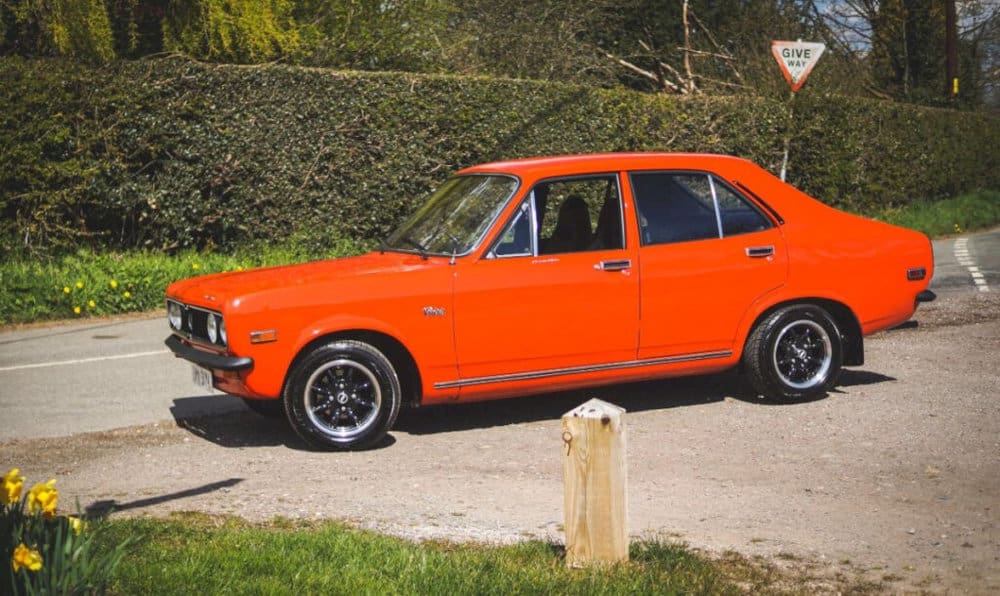
Upon its debut in 1971, the Plymouth Cricket was positioned as an affordable compact car targeting budget-conscious buyers.
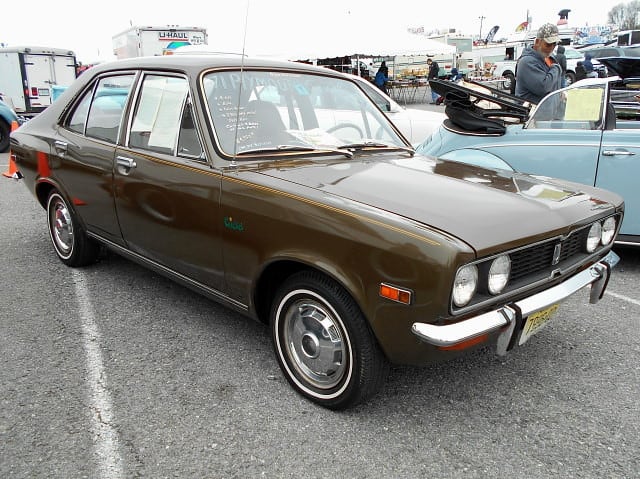
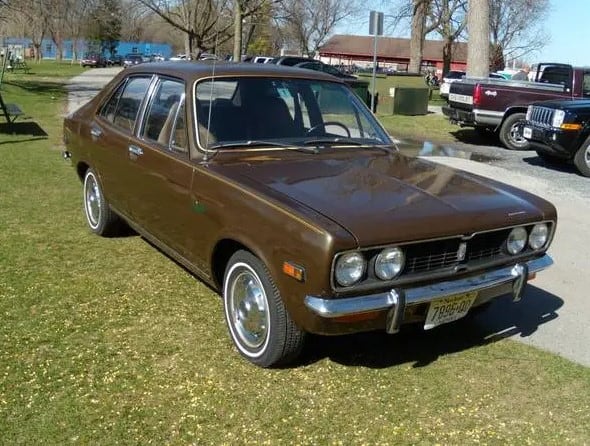
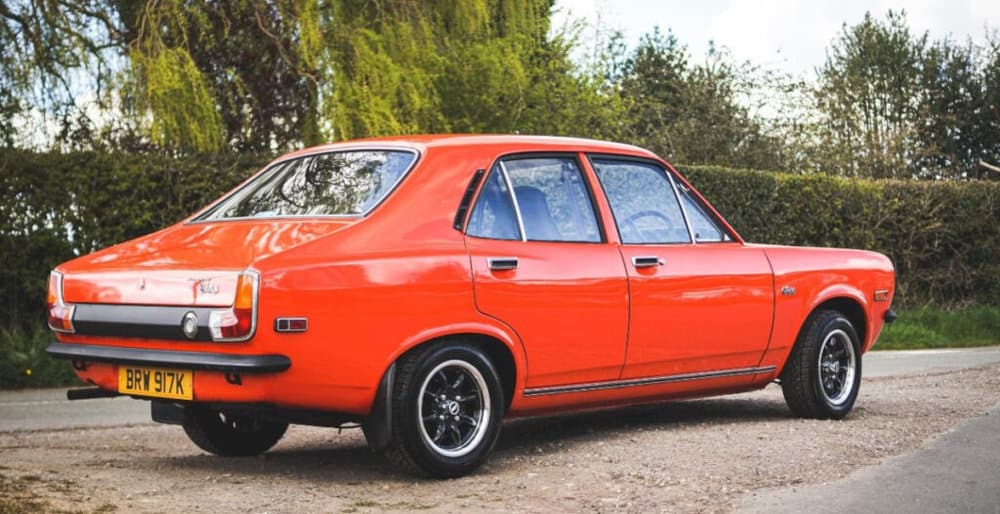
Its exterior design, though modest, boasted clean lines and a boxy silhouette, optimizing interior space.
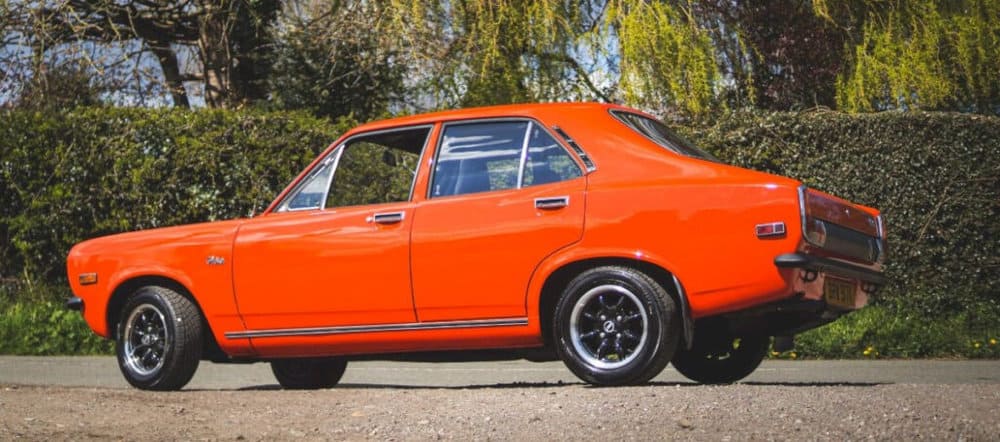
Despite its compact size, the Cricket offered seating for up to five occupants and a surprisingly roomy trunk, enhancing its practicality for everyday use.
Powering the Cricket were various engine options, including a 1.3-liter inline-four generating approximately 55 horsepower.
While not high horsepower, these engines excelled in fuel efficiency and reliability, delivering respectable performance for city driving and highway cruising.
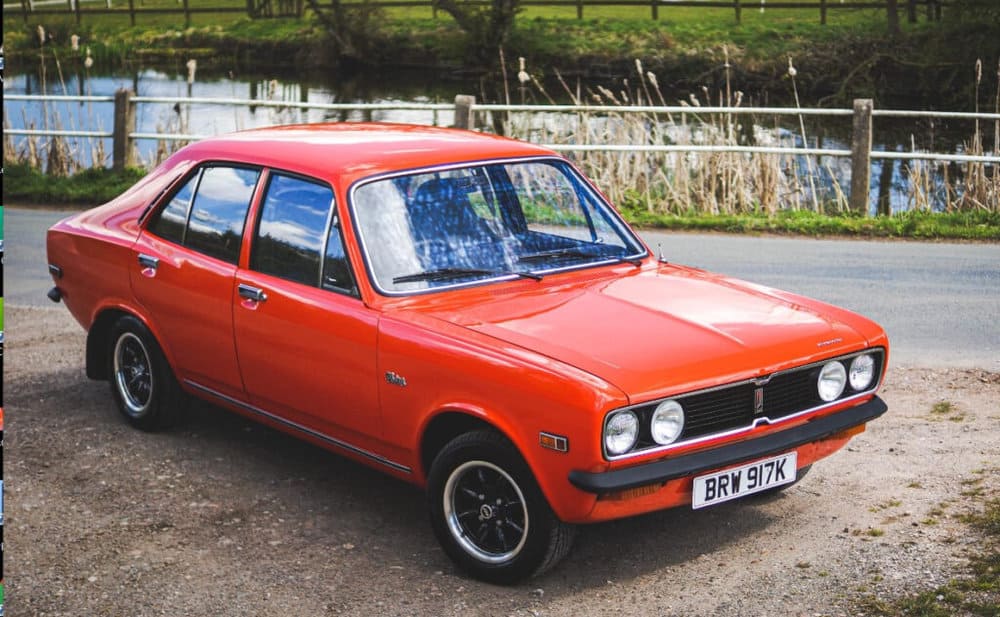
Transmission choices included a four-speed manual or a three-speed automatic, catering to diverse driving preferences.
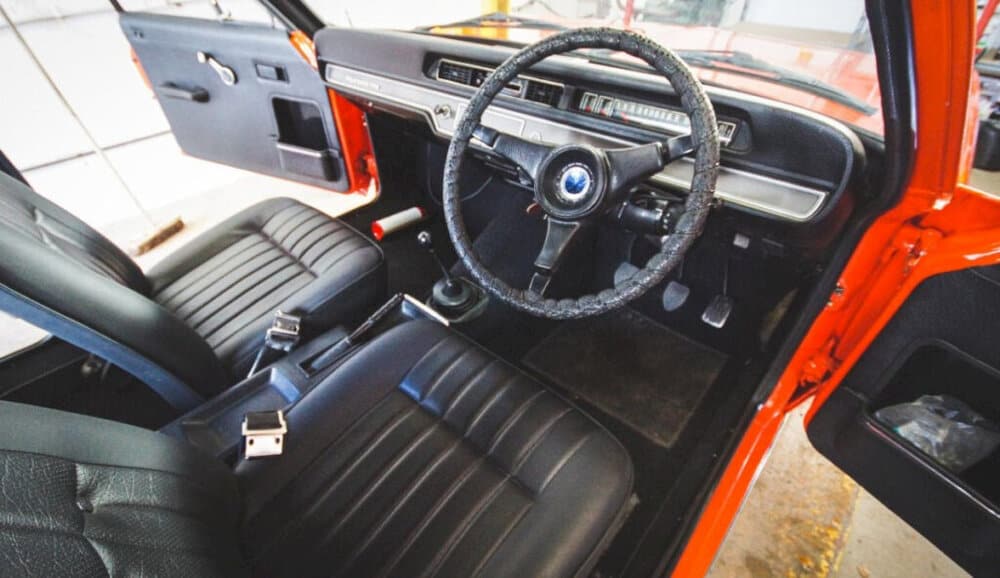
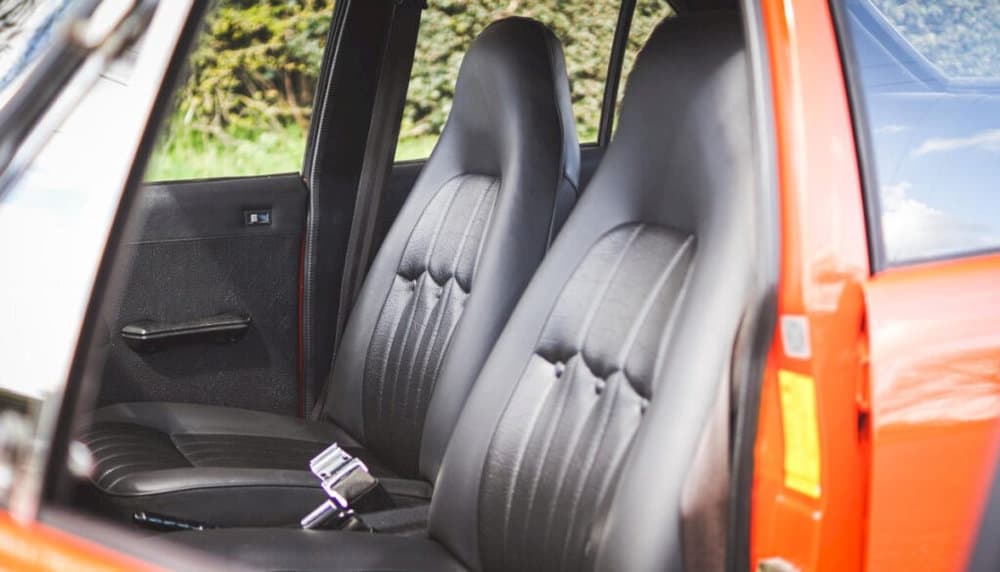
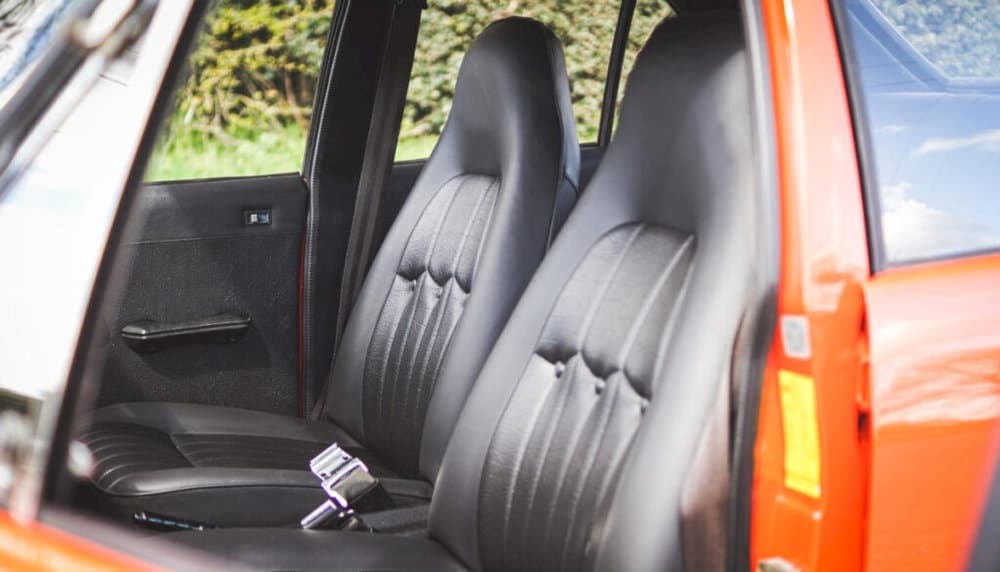
Simplicity and utility reigned supreme inside the cabin, featuring durable materials and intuitive controls.
Standard amenities included vinyl upholstery, manual windows, and basic instrumentation, reflecting its no-frills approach to motoring.

Optional upgrades such as air conditioning, AM/FM radio, and a rear window defroster were available for added comfort and convenience.
Performance and Driving Experience
Performance-wise, the 1971 Plymouth Cricket excelled in urban commuting and light-duty tasks. Its compact dimensions, nimble steering, and tight turning radius made it adept at navigating congested city streets and snug parking spaces.
The Cricket delivered a smooth and comfortable highway ride, courtesy of its independent front suspension and finely tuned chassis.

However, the Cricket wasn’t designed for high-speed driving or spirited performance due to its modest powertrain and lightweight build.
Acceleration was leisurely, especially with smaller engine options, and highway cruising necessitated patience and strategic planning.
Nevertheless, the Cricket offered adequate performance and fuel efficiency for everyday driving, making it a sensible choice for budget-conscious consumers.

Reception and Legacy
Despite its promising start, the Plymouth Cricket struggled to gain traction in the American market. Sales were hindered by stiff competition from established domestic and foreign automakers, quality control issues stemming from its British origins, and a lackluster marketing campaign that failed to resonate with consumers.
Consequently, production of the Plymouth Cricket was short-lived, with Chrysler discontinuing the model after just a few years on the market.
Today, the Cricket is largely forgotten by all but the most dedicated automotive enthusiasts, remembered as an intriguing footnote in Chrysler Corporation’s history.
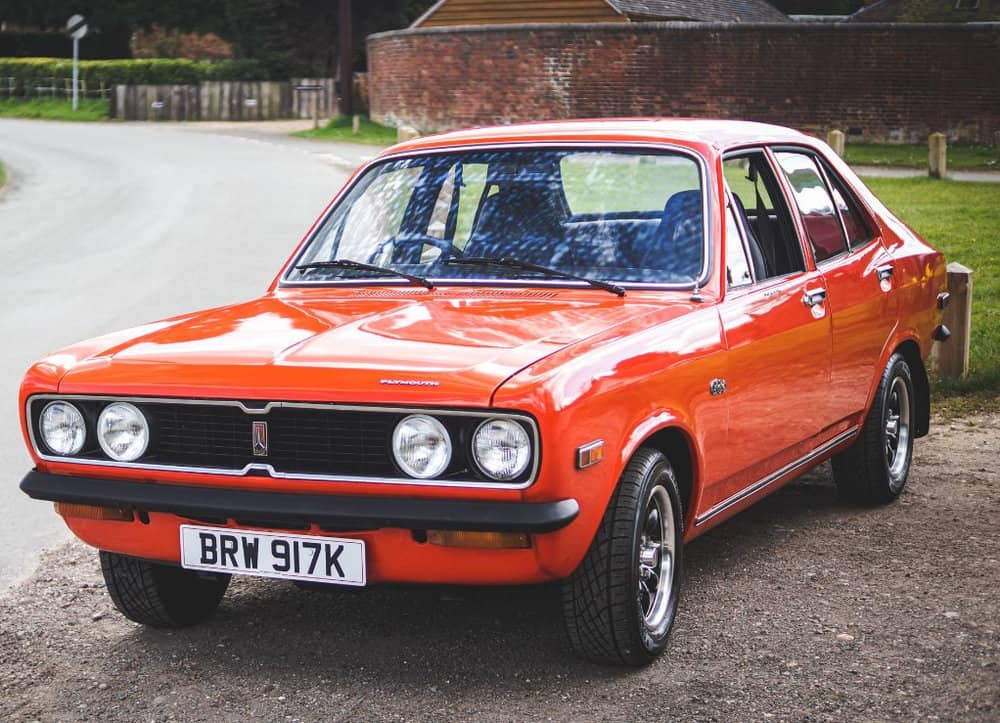
Yet, despite its commercial setback, the Plymouth Cricket left behind a lasting legacy worth acknowledging.
As one of the pioneering attempts by an American automaker to compete in the compact car segment, it laid the groundwork for future models like the Dodge Omni and Plymouth Horizon, which achieved tremendous success in subsequent years.
The 1971 Plymouth Cricket may not have achieved the same acclaim as its contemporaries. Still, its narrative serves as a poignant reminder of the intricate dynamics within the automotive industry.
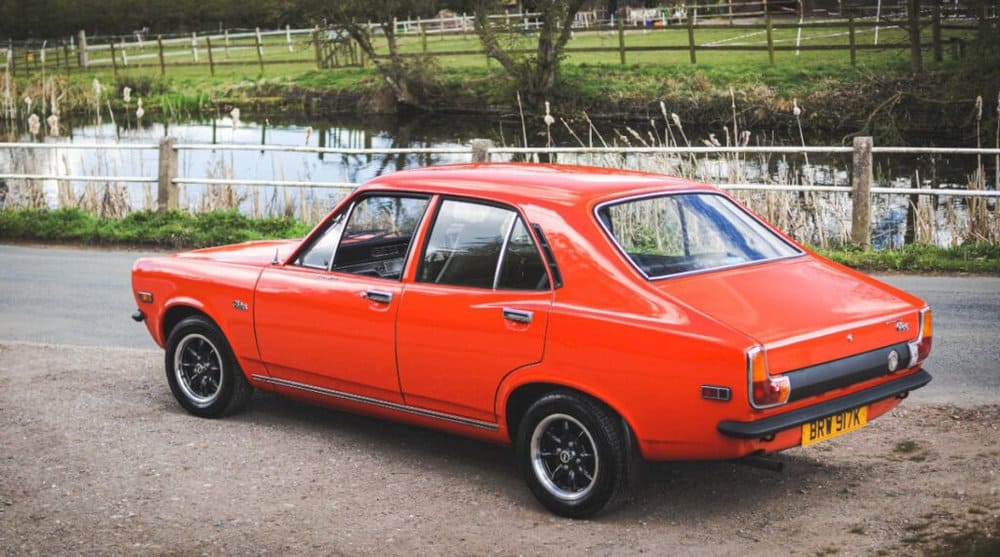
Despite its flaws, the Cricket embodied a daring endeavor by Chrysler Corporation to diversify its product lineup and adapt to evolving consumer preferences. This legacy resonates in today’s ever-evolving world of automotive design and engineering.



Read more Classic Cars News.
