
In 1958, the automotive industry witnessed a remarkable shift, marked by a genuine pursuit among manufacturers to encapsulate the evolving cultural spirit of the era.
Among the standout creations of that time, the 1958 Chevrolet Impala emerged as an enduring emblem of American automotive heritage, celebrated for its distinct design, innovative engineering, and profound cultural impact. Let’s take a journey into the captivating history of this automotive icon.
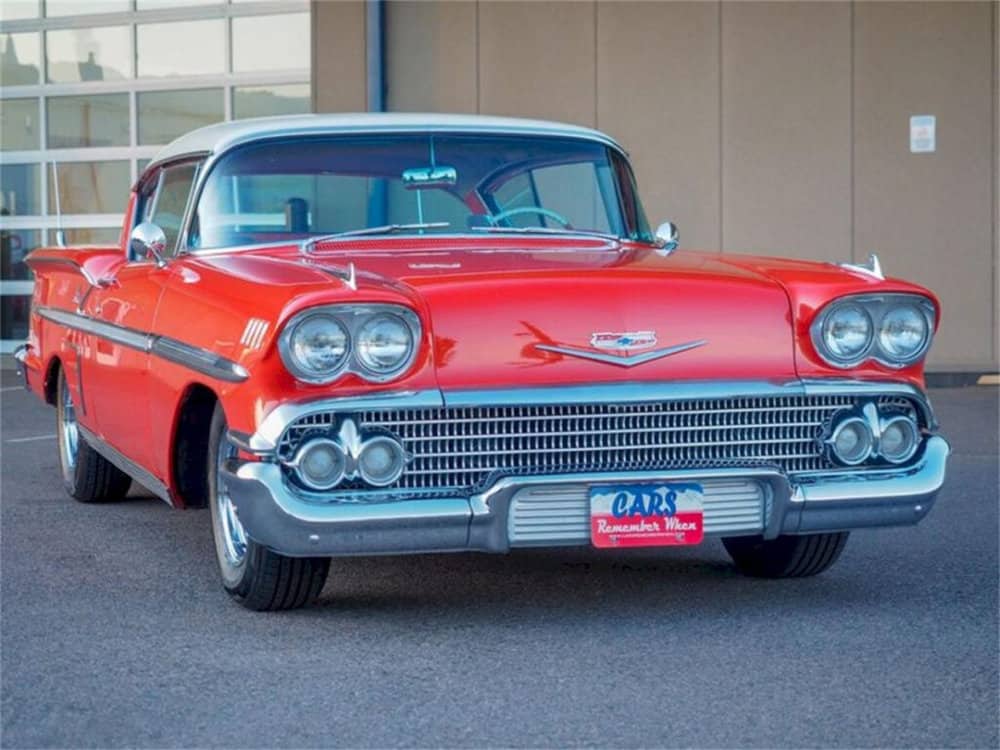
Birth of the Chevrolet Impala
The late 1950s ushered in a significant metamorphosis in the automotive landscape. Fueled by a burgeoning economy, carmakers competed fiercely to craft vehicles that epitomized style, power, and innovation.
Chevrolet, a division of General Motors, led this charge with the introduction of the Impala, a pivotal milestone in their automotive journey.
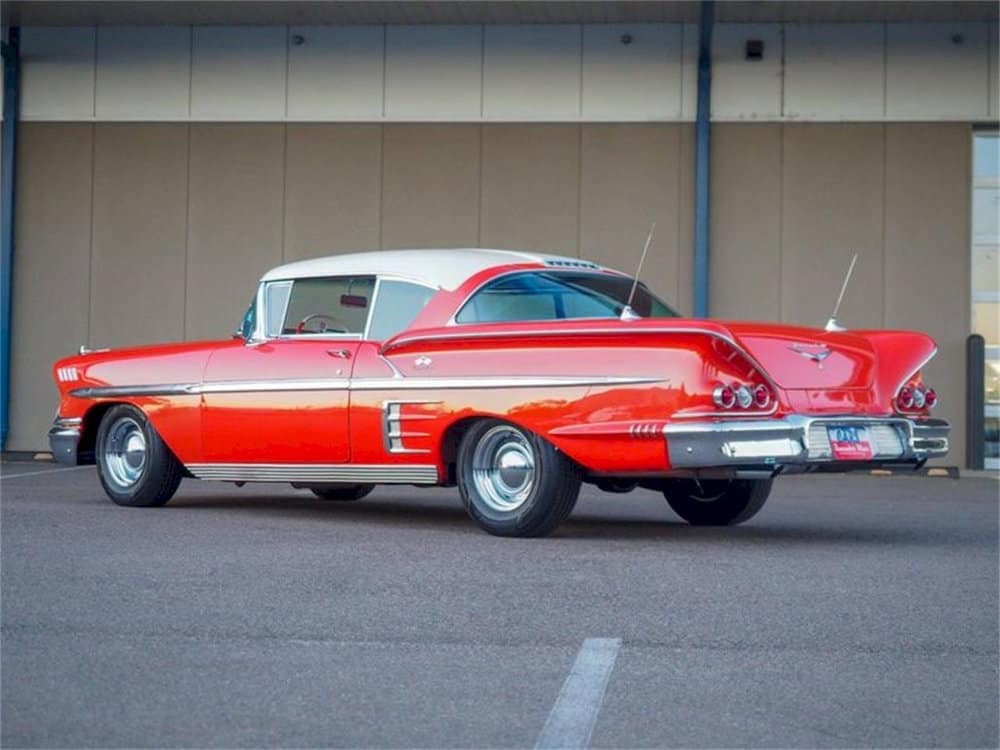
While the Impala initially debuted as the top-tier model in the Chevrolet Bel Air series in 1956, it wasn’t until 1958 that it assumed its standalone identity, marking its ascent to prominence.
Design and Aesthetic Marvel
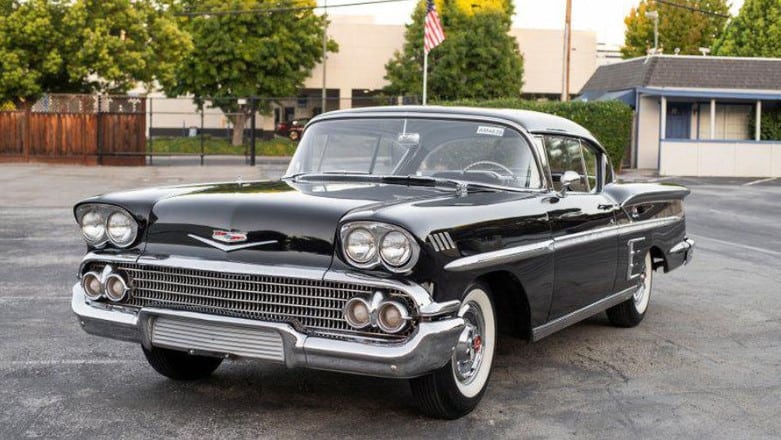
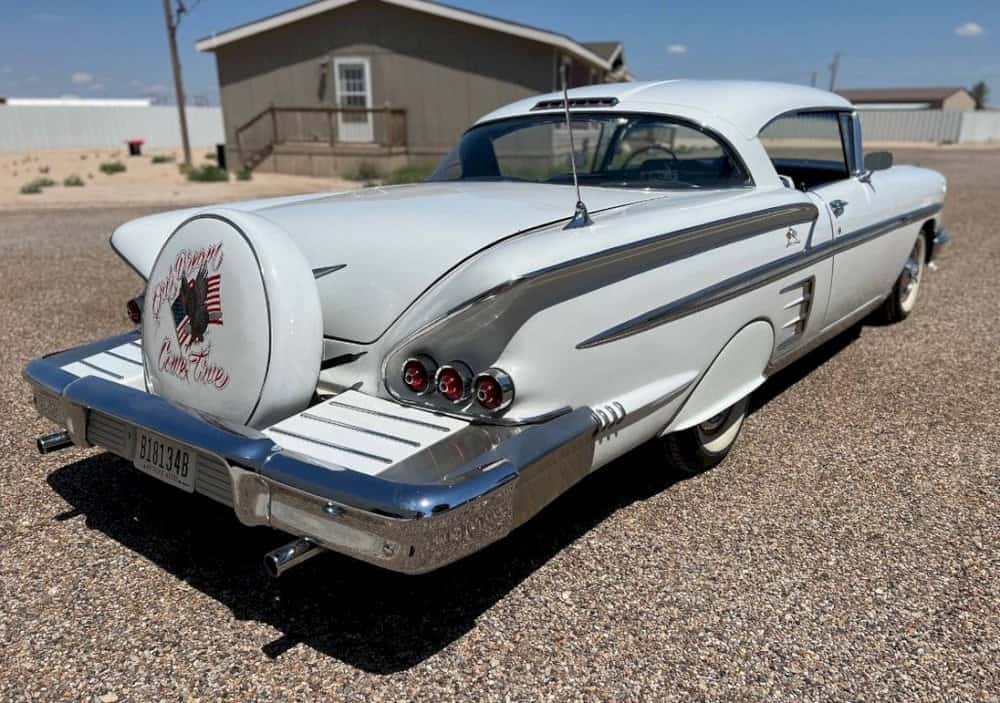
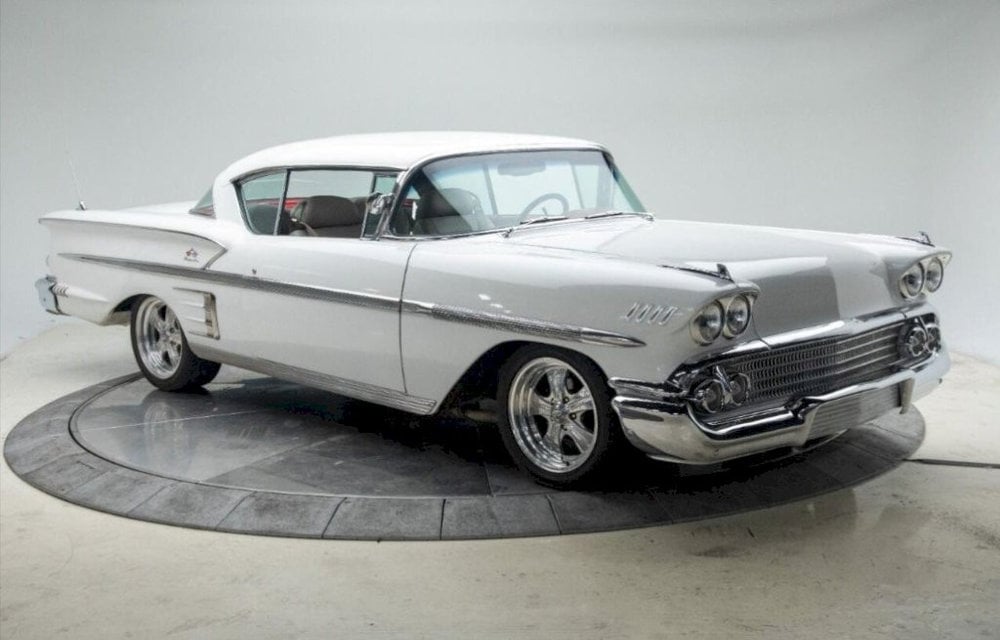
The 1958 Chevrolet Impala epitomized the extravagant design ethos of the late 1950s. Characterized by dazzling chrome embellishments and iconic rear fins reaching their zenith, the Impala’s design echoed the zeitgeist of the space race and the Jet Age, captivating imaginations far and wide.
Its bold, upright front grille, adorned with intricate details and the iconic Chevrolet bowtie emblem, firmly entrenched the Impala in the annals of American car culture.
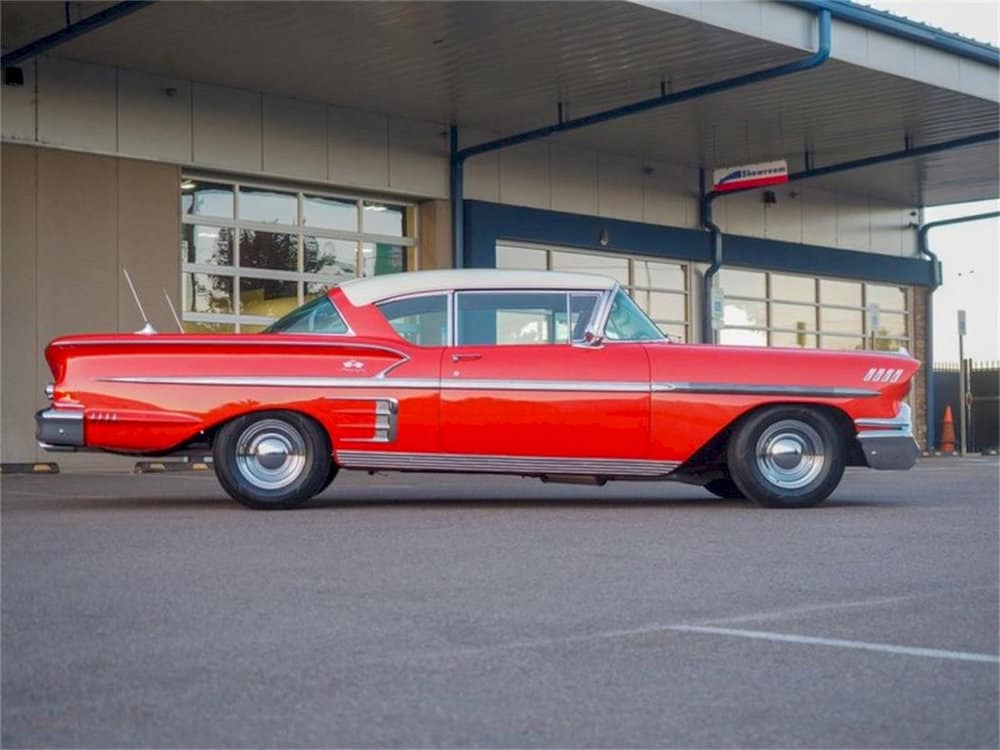
Noteworthy design innovations included the introduction of dual headlamps on each side, a feature that would soon become ubiquitous in the automotive realm.
Technical Prowess
Under the hood, the 1958 Chevrolet Impala boasted a range of potent V8 engine options, including the formidable 283-cubic-inch V8 producing 185 horsepower, the versatile 348-cubic-inch V8 with varying power outputs, and the high-performance 348 Super Turbo-Thrust V8 engine.
Renowned for their power and performance, these engines propelled the Impala to prominence on the road.
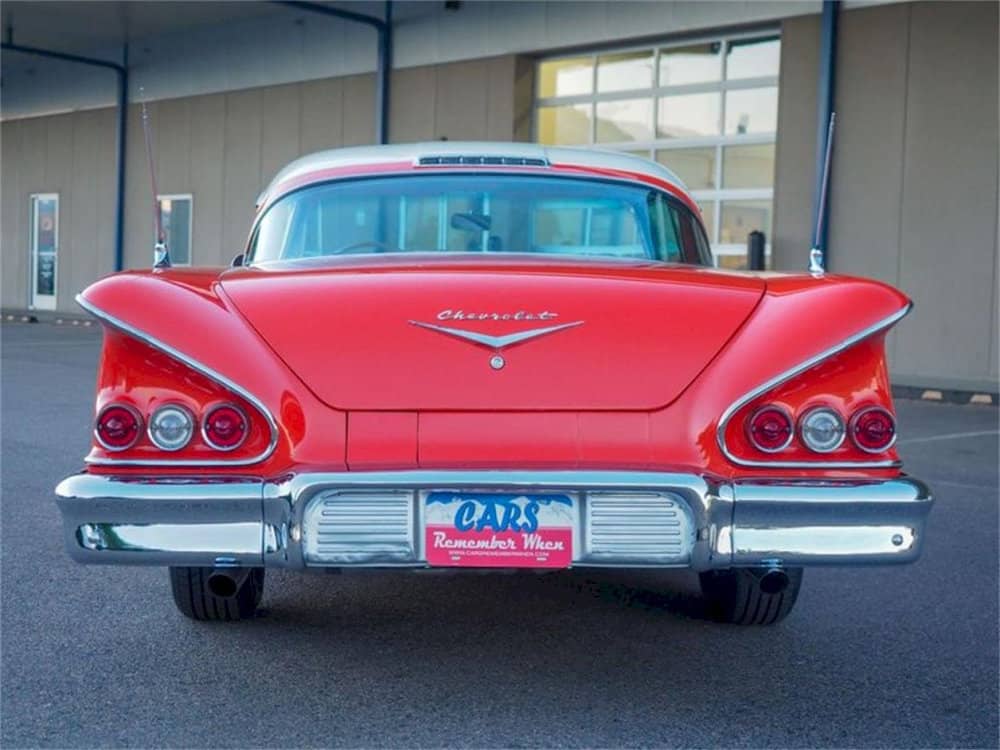
Coupled with a robust frame and suspension system, the Impala delivered a smooth and comfortable ride, with handling capabilities that impressed drivers navigating city streets and expansive highways.
Cultural Impact
The 1958 Chevrolet Impala transcended its status as a mere automobile, ascending to the realm of cultural icons.
Its bold design and robust performance contributed to its widespread popularity, reflected in impressive sales figures of 172,562 units in 1958 alone.
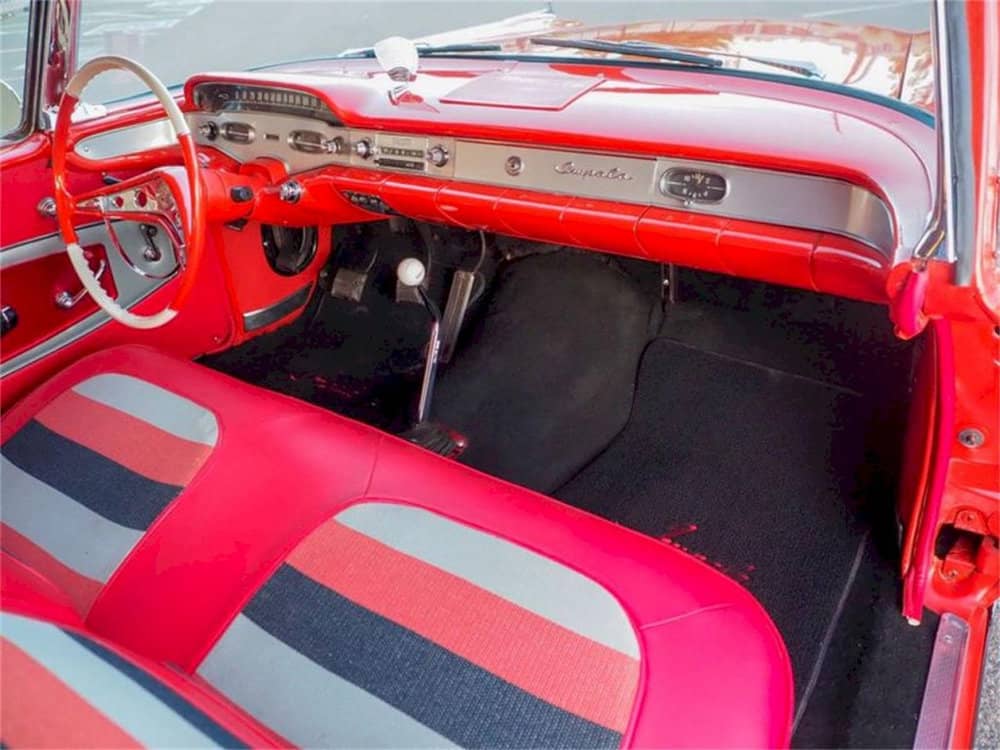
The car’s allure resonated with diverse demographics, from families seeking spacious comfort to youthful drivers craving style and performance.
Over the years, the Impala’s enduring legacy has been perpetuated through its ubiquitous presence in movies, television shows, and music videos, cementing its status as a symbol of the era’s optimism and vitality.
Legacy and Influence
The design legacy of the 1958 Chevrolet Impala reverberated throughout the automotive industry, shaping subsequent car models, particularly during the 1950s and early 1960s.
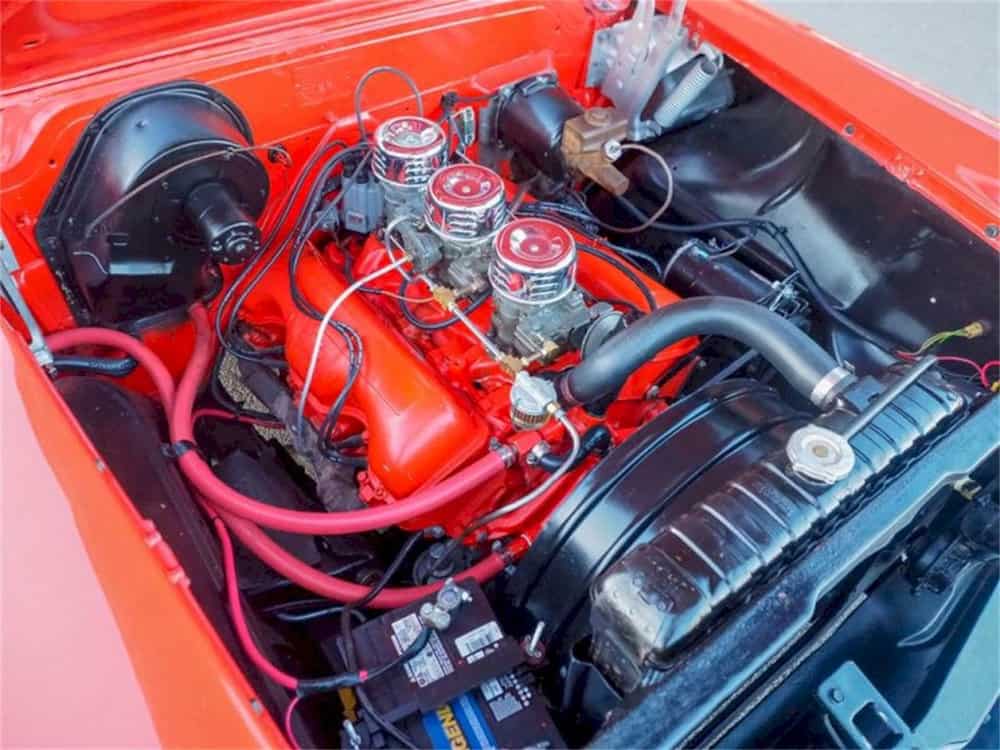
The enduring Impala nameplate, established in 1958, has continued to evolve over the decades, adapting to evolving consumer preferences while paying homage to its illustrious origins.
Today, the 1958 Chevrolet Impala remains a coveted collectible, with enthusiasts and collectors clamoring for well-preserved examples, driving prices skyward at auctions and shows.
Conclusion
As we reflect on the timeless allure of the 1958 Chevrolet Impala, it becomes evident that this iconic vehicle transcends mere transportation, embodying a bygone era of innovation, style, and automotive excellence.
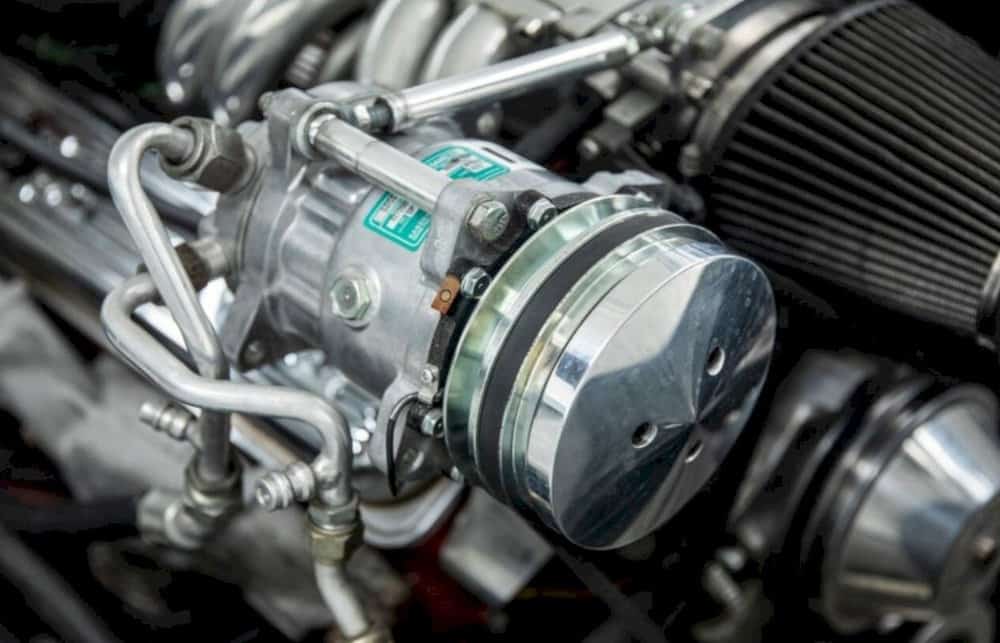
From its striking design elements to its formidable performance, the ’58 Impala continues to captivate enthusiasts and collectors alike. It is a poignant reminder of an era when cars were more than machines—they were symbols of personal expression and automotive prowess.
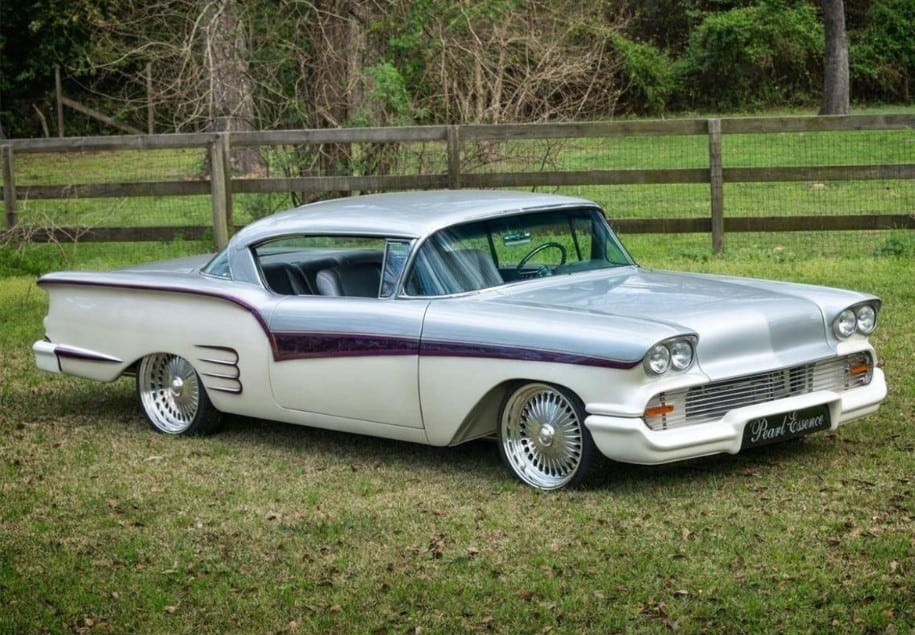
Read more Classic Cars News.
