
Heart-wrenching images have surfaced of emaciated grizzly bears in Canada struggling to find food as salmon populations dwindle.
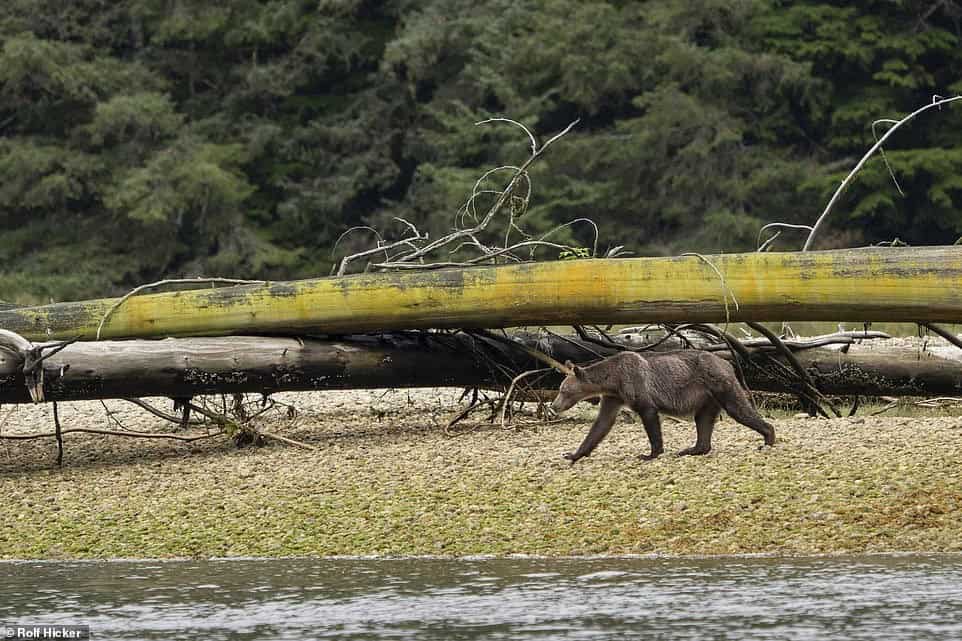
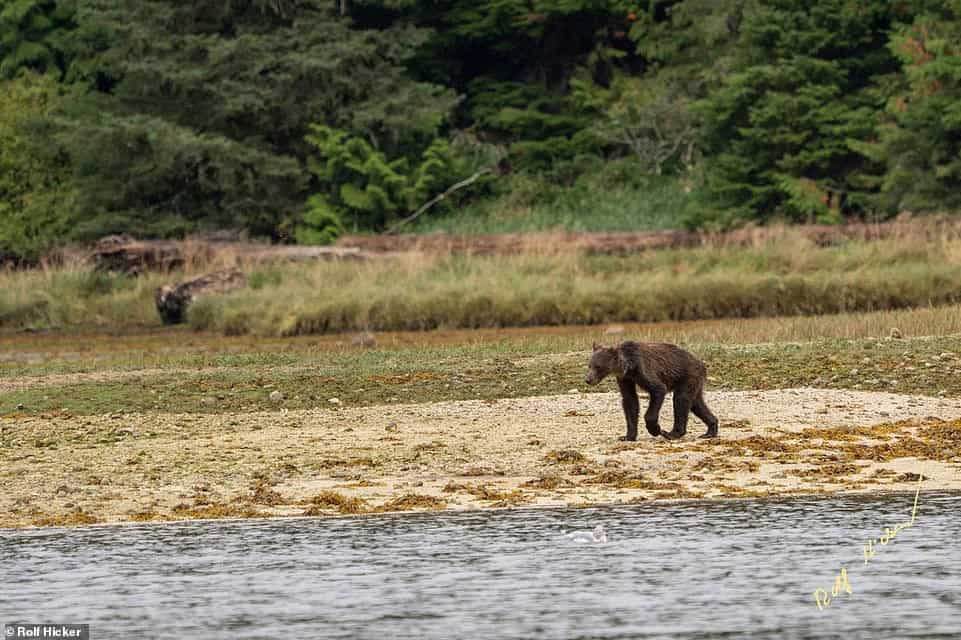
These photos, taken near Knight Inlet on the British Columbia Coast by Canadian photographer Rolf Hicker, reveal the dire situation just a month before the bears are supposed to hibernate.
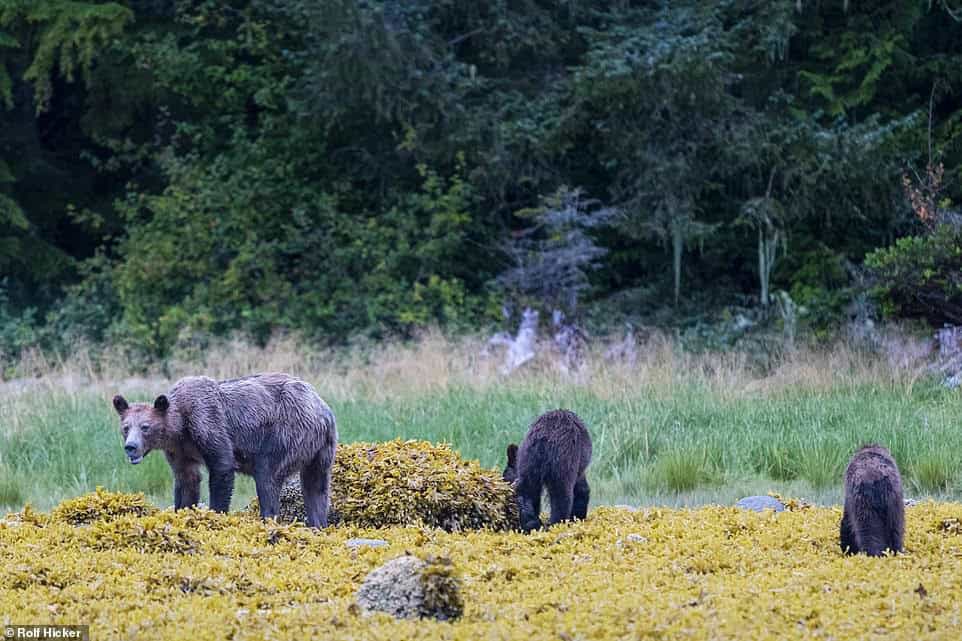
Hicker posted these photos on Facebook on September 23, showing a mother bear and her two cubs, all visibly underweight with their bones protruding through their fur.
The severe salmon shortage this year, which commercial fishermen describe as the worst in nearly 50 years, has left these bears without their primary food source.
Experts attribute the declining salmon population to human activities, including farming and climate change.
Salmon farming pollutes water and spreads disease among fish while rising water temperatures from climate change have further reduced fish numbers.
“In the Broughton, no salmon is left for the bears,” Hicker lamented. “Advertising still shows happy bears feasting on salmon, but that’s not the case here.”
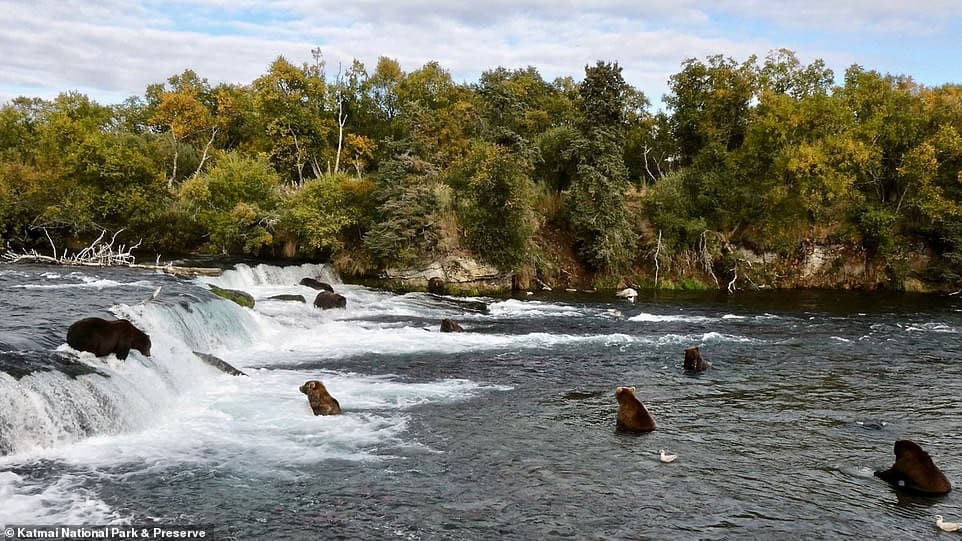
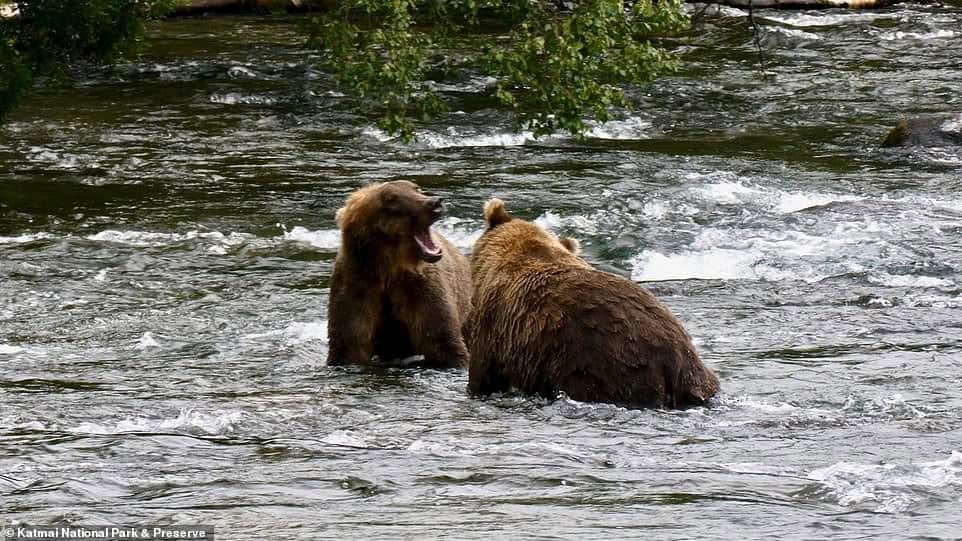
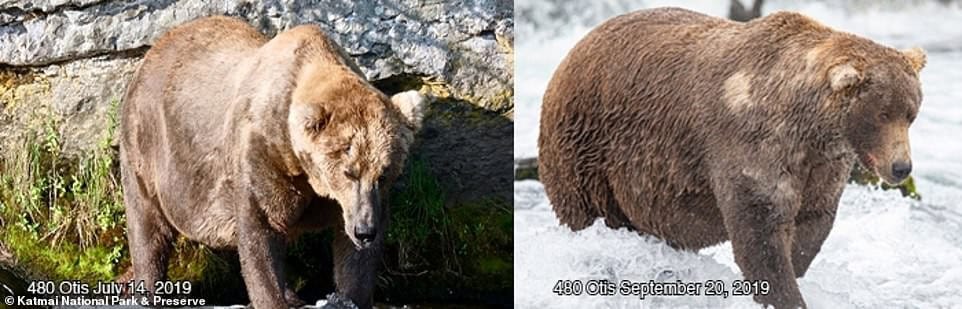
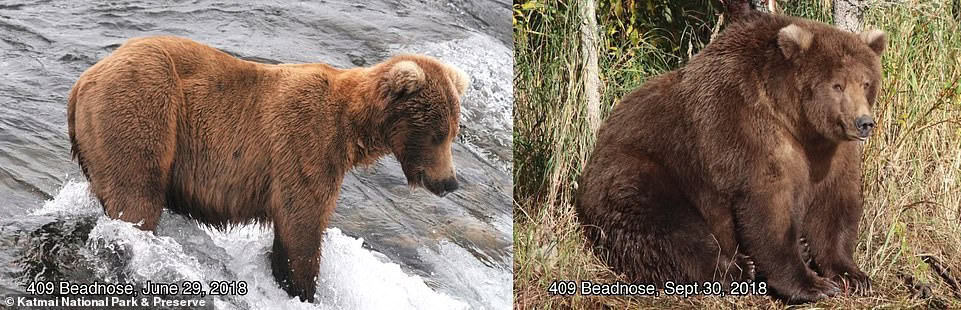
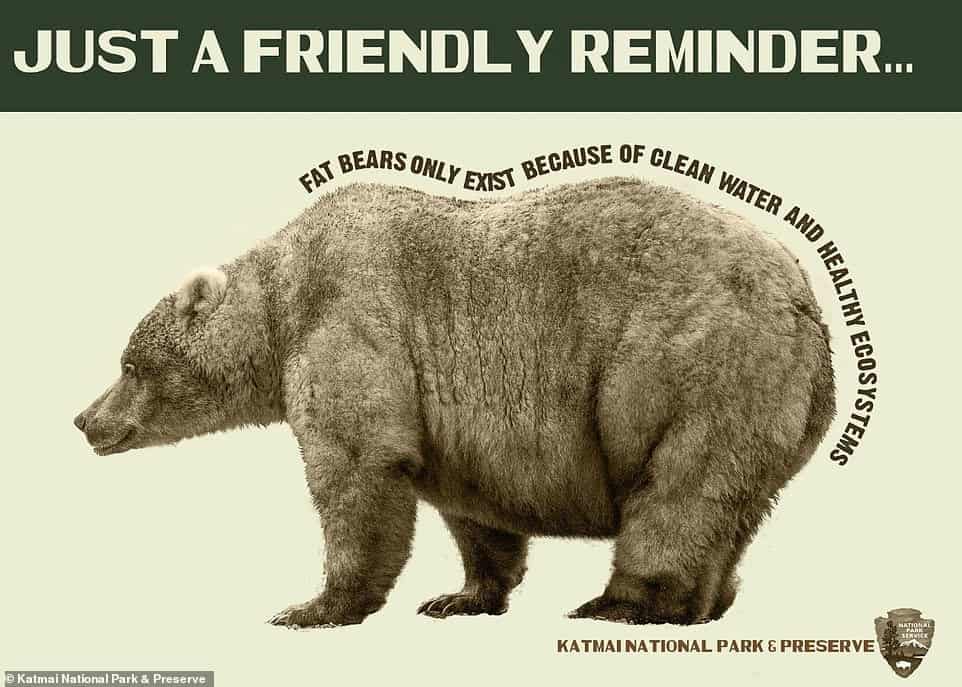
While bears in other parts of the Northern Hemisphere, like Alaska’s Katmai National Park, prepare for winter by eating abundantly during events like Fat Bear Week, the scene in Canada is starkly different.
Hicker’s photos show the grim reality for these animals, who are forced to travel longer distances to find food, leaving them exhausted.
Efforts to help have been made by the Mamalilikulla First Nation, who recently distributed about 500 salmon carcasses to the starving bears.
Volunteers placed the fish along shorelines where grizzlies are known to frequent, and the bears quickly consumed the fresh fish.
The broader picture shows a troubling trend. Grizzly bear populations in British Columbia have declined significantly in recent years due to hunting, habitat loss, and a lack of stable food sources. This salmon crisis highlights the urgent need for action.
Reports from Fisheries and Oceans Canada indicate that the country’s climate is warming twice as fast as the global average, severely impacting wild salmon populations. Marine heatwaves, warmer rivers, and other environmental changes are all taking their toll.
In response, the government and First Nations in British Columbia have created a plan to phase out open-net salmon farming by 2023 to help wild salmon populations recover. Open-net fish farming significantly contributes to the salmon crisis, spreading disease and pollution.
Biologist Alexandra Martin, who has studied the impact of farming for 30 years, explains, “Everywhere in the world where there is salmon farming, you see a decline in wild salmon populations. This farming method adds waste to the water and exposes wild salmon to viruses.”
The situation is dire not just for bears but for the entire ecosystem. Grizzlies, which make up more than half of Canada’s grizzly population and rely heavily on salmon for their diet, face a harsh winter ahead. Their survival is at risk without enough fat reserves built up from salmon.
This crisis isn’t confined to Canada. In Alaska, a heatwave last summer caused water temperatures to soar, resulting in the death of hundreds of salmon.
A 2018 study found that half of Canada’s 16 Chinook salmon populations were endangered due to increased predators and warming oceans.
The need for urgent and practical solutions to protect these vital ecosystems and the species that depend on them is clear.
Read More Bear News
