
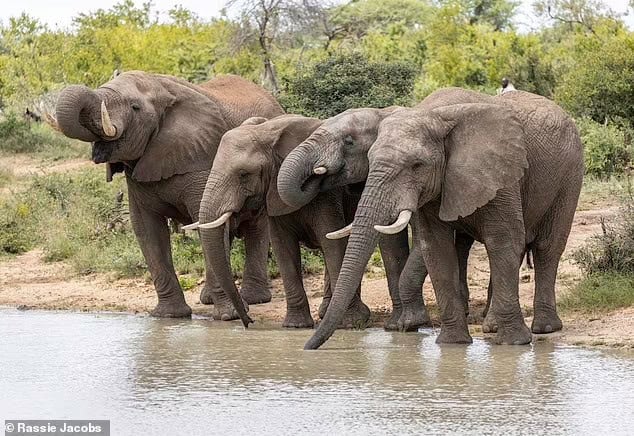
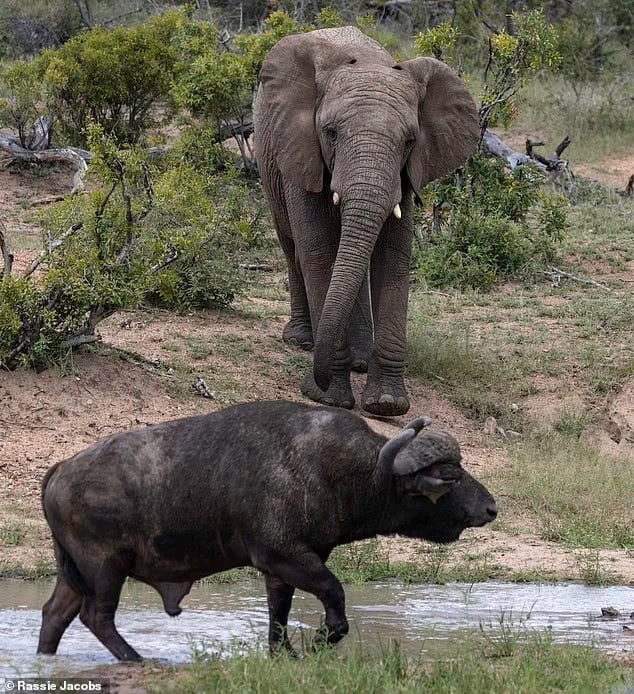
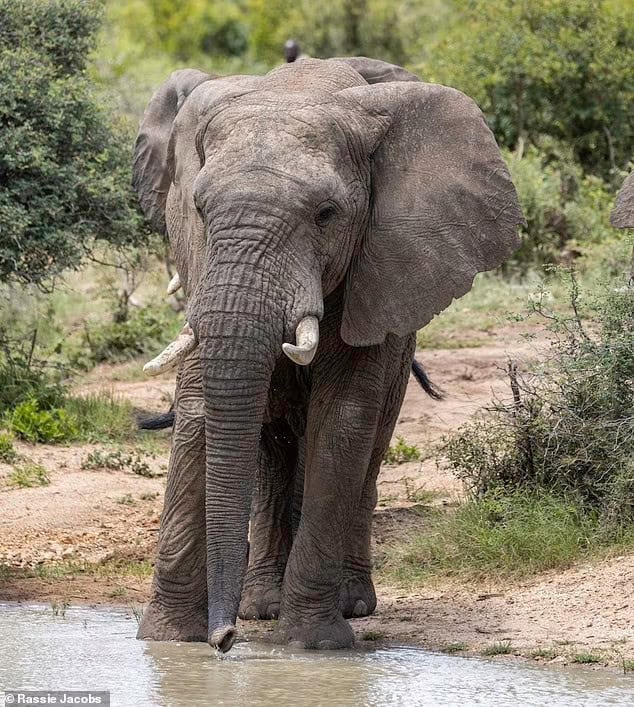
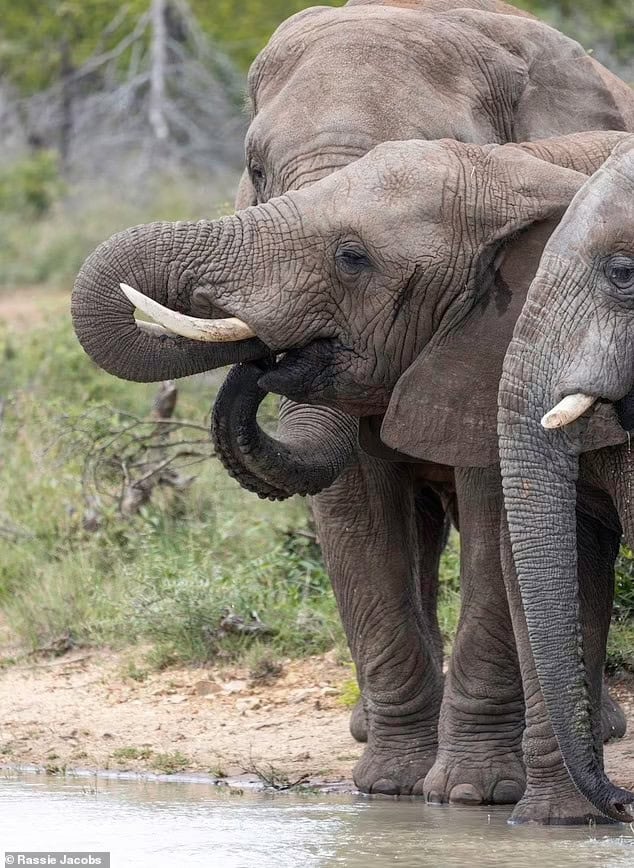
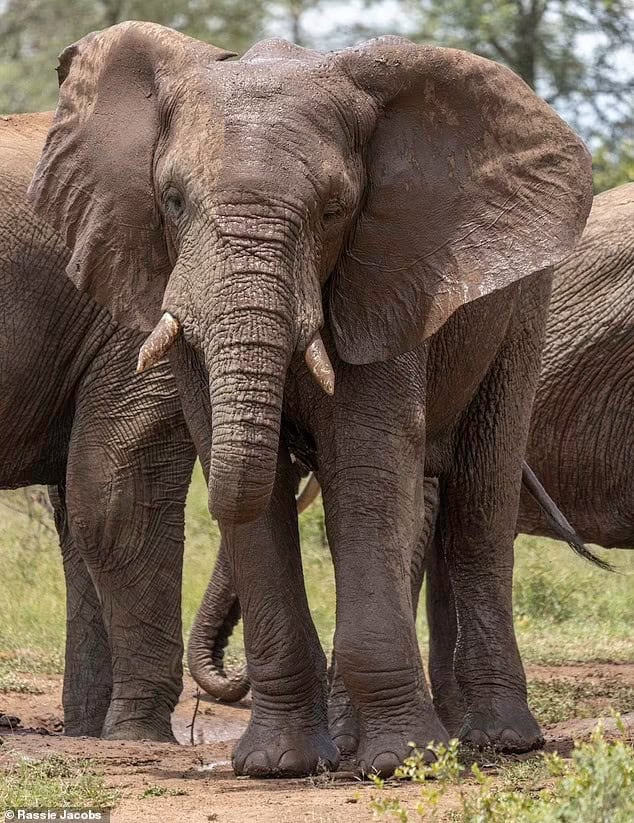
For generations, the plains of South Africa have been home to elephants attracted to the scent of ripe marula fruit.
Local families, taking cues from the elephants, know when to harvest the fruit as the animals gather under the ancient marula trees.
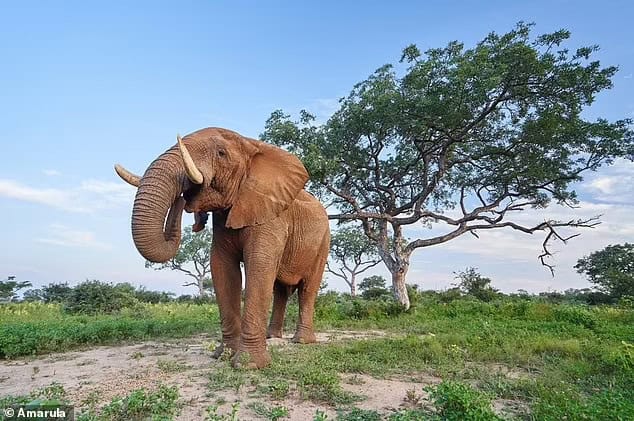
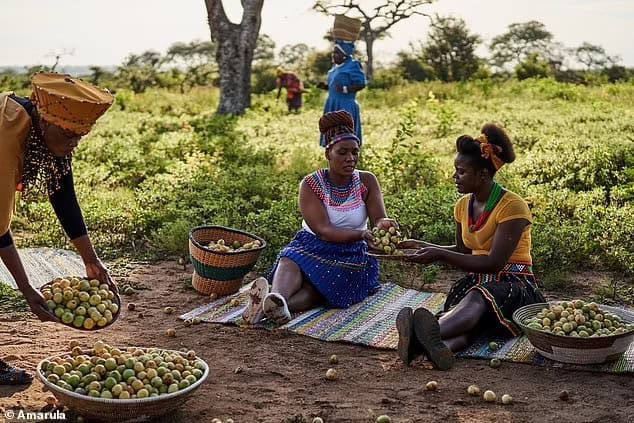
During the summer harvest, men, women, and children rush from their homes to hand-pick the prized marula fruit.
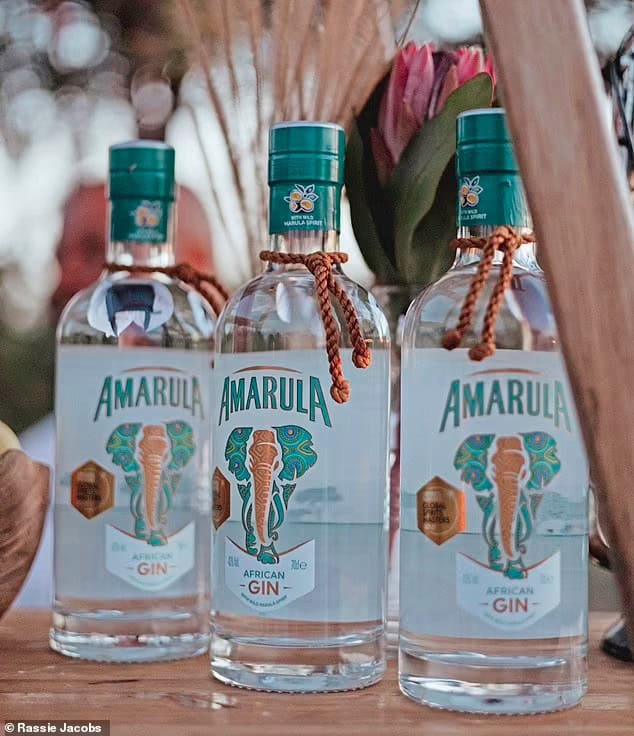
This fruit is sold to Amarula, a South African liquor company renowned for producing Amarula Cream Liqueurs and Amarula African Gin.
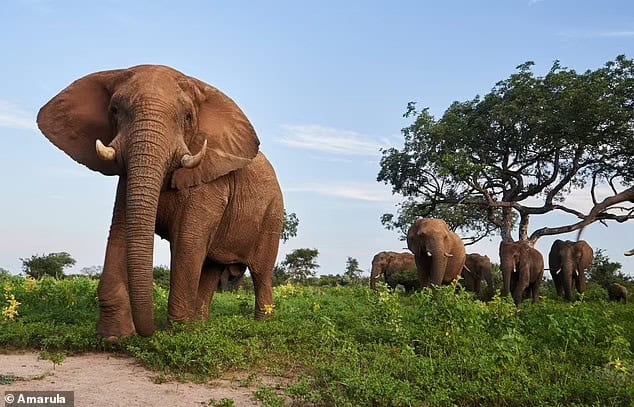
The marula harvest is a vital event for local communities, providing them with a significant source of income.
Shuhui Lim, Global Marketing Manager at Amarula, explained to MailOnline, “The marula harvest brings everyone together, much like the tradition of blackberry picking in the UK.
It’s crucial for locals as we pay them for their efforts.” A 72-year-old grandmother who has been harvesting marula since childhood added, “It’s hard work, but it provides a good living. I can buy food for my family.”
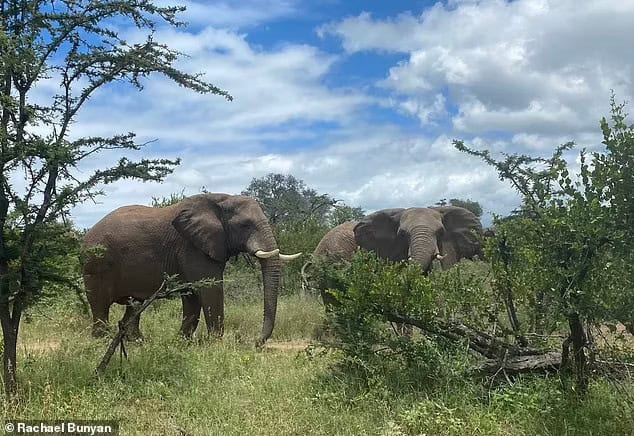
The harvesting window for marula fruit is brief, occurring once a year between January and February.
Elephants, detecting the ripe fruit’s scent, travel great distances to the trees, signaling locals to begin their harvest.
The fruit is then transported to the Amarula distillery, where local workers, primarily women, meticulously sort it. The marula is distilled into the globally enjoyed Amarula Cream Liqueur and Amarula African Gin.
Amarula engages local communities in creating fabric tassels that adorn the bottles, promoting a sustainable support cycle.
Since 2017, the “tassel sisters” from the Handwork Hub have crafted over 40 million tassels for Amarula bottles, which are distributed in over 100 countries.
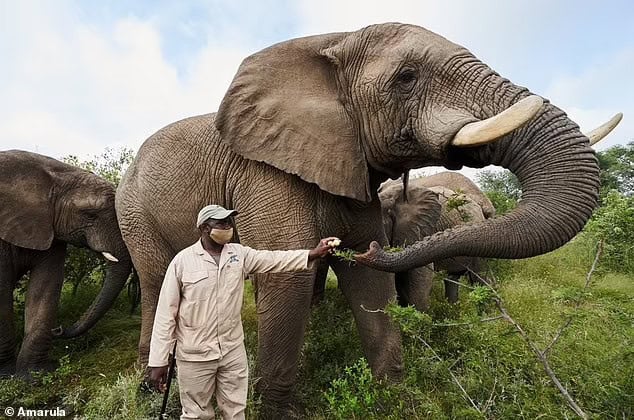
Amarula is deeply committed to elephant conservation. The company established the Amarula Trust in 2008 to protect elephants facing habitat changes and poaching threats.
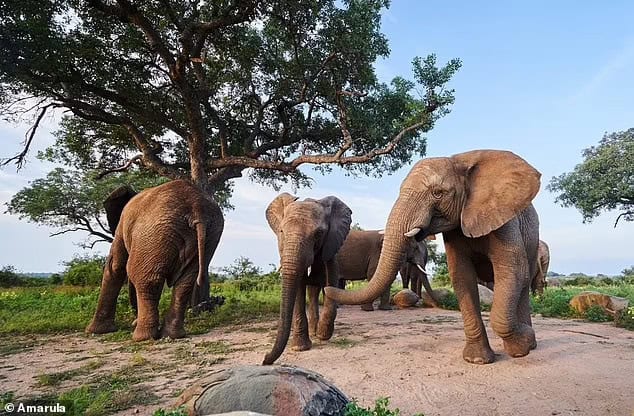
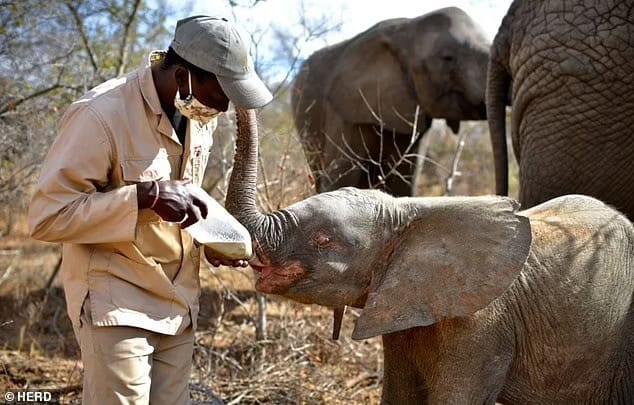
The trust partners with local organizations, including HERD, South Africa’s pioneering elephant orphanage dedicated to rehabilitating young elephants.
HERD has rescued 11 orphaned elephants, including Jabulani, who was found stuck in a silt dam as a four-month-old.
Another notable rescue is Khanyisa, a rare albino elephant calf trapped in a poacher’s snare in 2020.
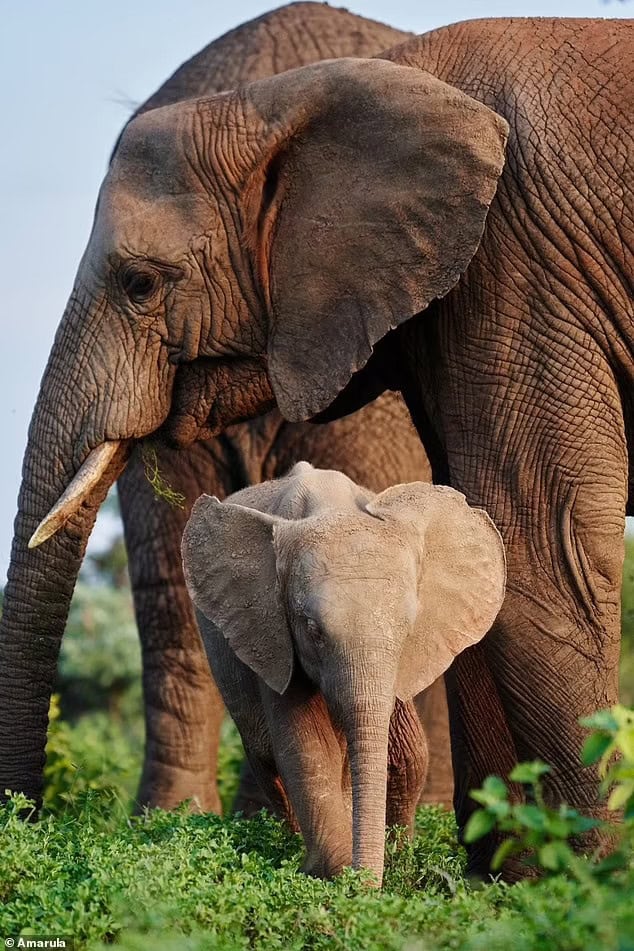
These elephants are rehabilitated and integrated into a larger herd that roams the Kapama Private Game Reserve.
HERD’s dedicated carers protect the elephants from predators and poachers during the day and guide them to the HERD Homestead and Orphanage within the reserve at night. Here, the elephants, a mix of rescued animals and orphans, find sanctuary.
“Amarula is a brand with a mission to protect elephants, uplift communities, and foster a sustainable future in the marula fruit ecosystem and beyond,” Lim stated. “This commitment is evident through the Amarula Trust, which supports various initiatives focused on elephant conservation and community empowerment.”
Read more Elephant News.


