
Should someone convicted of serious animal cruelty ever be trusted with another pet? The question has become a recurring part of animal-protection debates in the United States, but the law does not provide one nationwide answer.
Courts in several states can restrict a convicted person from owning, possessing, caring for or living with animals. The duration depends on the state, the offense and the sentence. Some restrictions last only a few years. Others can be permanent.
That distinction matters. A proposal for a lifetime ban is a policy position, not a description of a uniform federal rule currently applied to every animal-cruelty conviction.

How ownership restrictions work in different states
Pennsylvania law allows the sentencing authority to prohibit or limit a person’s ownership, possession, control or custody of animals, as well as employment involving animal care. The restriction cannot exceed the maximum prison term that applies to the offense.
Maine gives courts broader discretion in some cruelty cases. Its statute says a court may prohibit a defendant from owning or possessing an animal for a period it considers reasonable, up to and including permanent relinquishment. The court may also impose other restrictions needed to protect animals.
Washington strengthened its framework in 2025. Legislative materials explain that a first conviction for second-degree cruelty carries a two-year prohibition, while prohibitions for other animal-cruelty convictions are permanent. The law also provides a petition process for restoring animal-ownership rights in certain cases involving no more than two second-degree convictions, after five years from the second conviction.
These examples show why the phrase “lifetime ban” needs context. In some places it is already possible or required for serious offenses. In others, the court’s authority is tied to a defined period or depends on the facts of the case.
Why advocates support strong bans
The central argument is prevention. An animal removed from an abusive home should not be replaced by another animal placed at similar risk. Ownership restrictions can also help shelters, breeders and enforcement agencies identify situations in which a convicted offender is legally barred from acquiring or caring for animals.
The ASPCA supports limiting pet ownership when a person has been convicted of animal cruelty, animal fighting or other crimes involving animal mistreatment. It also argues that restrictions can reach beyond shelter adoptions and address ownership, possession, control and contact with animals.
Why the details still matter
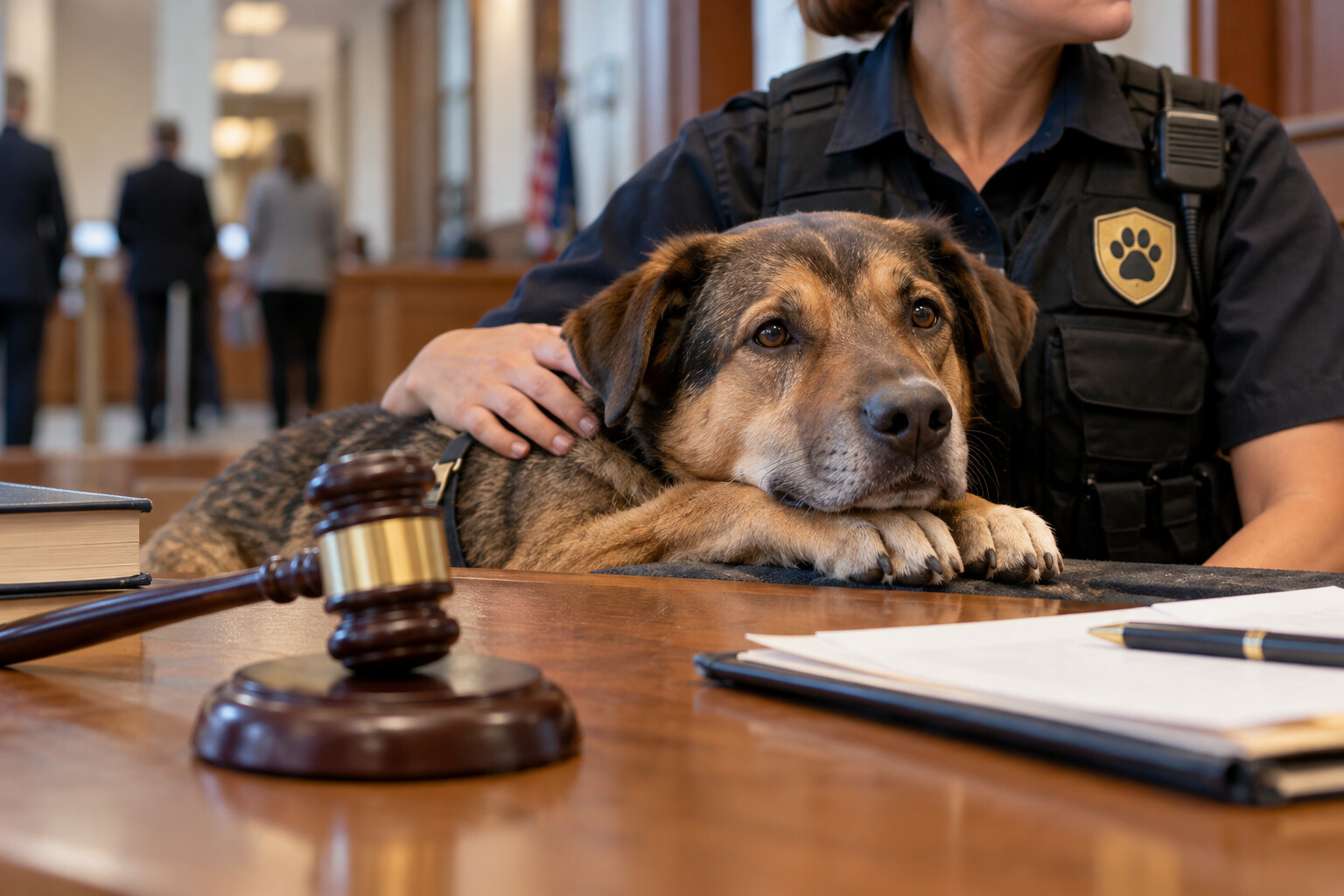
Not every cruelty conviction involves the same conduct, intent or risk of repetition. Cases can range from deliberate violence and animal fighting to severe neglect connected with hoarding, poverty, disability or untreated mental-health problems. A law that treats every case identically may fail to distinguish between offenders who present very different future risks.
Enforcement is another challenge. A court order protects animals only when agencies can detect violations. Someone may acquire an animal through a relative, an informal sale or a private transfer. Effective restrictions therefore need clear records, communication among courts and animal-control agencies, meaningful penalties for violations and safe procedures for removing animals found at risk.
For the most serious, intentional or repeated cruelty, a lifetime ban can be a proportionate safeguard. For lower-level cases, lawmakers may choose fixed restrictions combined with treatment, monitoring and a demanding court review before rights can be restored. In either model, the animal’s safety should be the first consideration.
Protection should be more than a slogan
The strongest policy is not simply the longest sentence on paper. It is one that prevents access to vulnerable animals, can actually be enforced and gives judges enough information to match restrictions to the severity and circumstances of the offense.
People can debate whether every ban should last for life. What should not be controversial is that a person who has seriously harmed an animal should not automatically be allowed to acquire another one without meaningful legal scrutiny.
Sources
- Pennsylvania General Assembly: Title 18, Chapter 55
- Maine Legislature: Title 17, Section 1031
- Washington Legislature: 2025 animal-cruelty bill report
- ASPCA: Laws that limit or prohibit pets
