
California’s prohibition on wild animals in circuses includes giraffes, but it is a longstanding law rather than a new announcement. Governor Gavin Newsom signed Senate Bill 313 on October 12, 2019, and the Circus Cruelty Prevention Act took effect on January 1, 2020.
The governor’s official announcement described a broader animal-welfare package and identified SB 313 as a ban on bears, tigers, elephants, monkeys and other wild animals in circuses. The measure addressed the use of animals for circus entertainment, rather than announcing the rescue or retirement of particular animals.
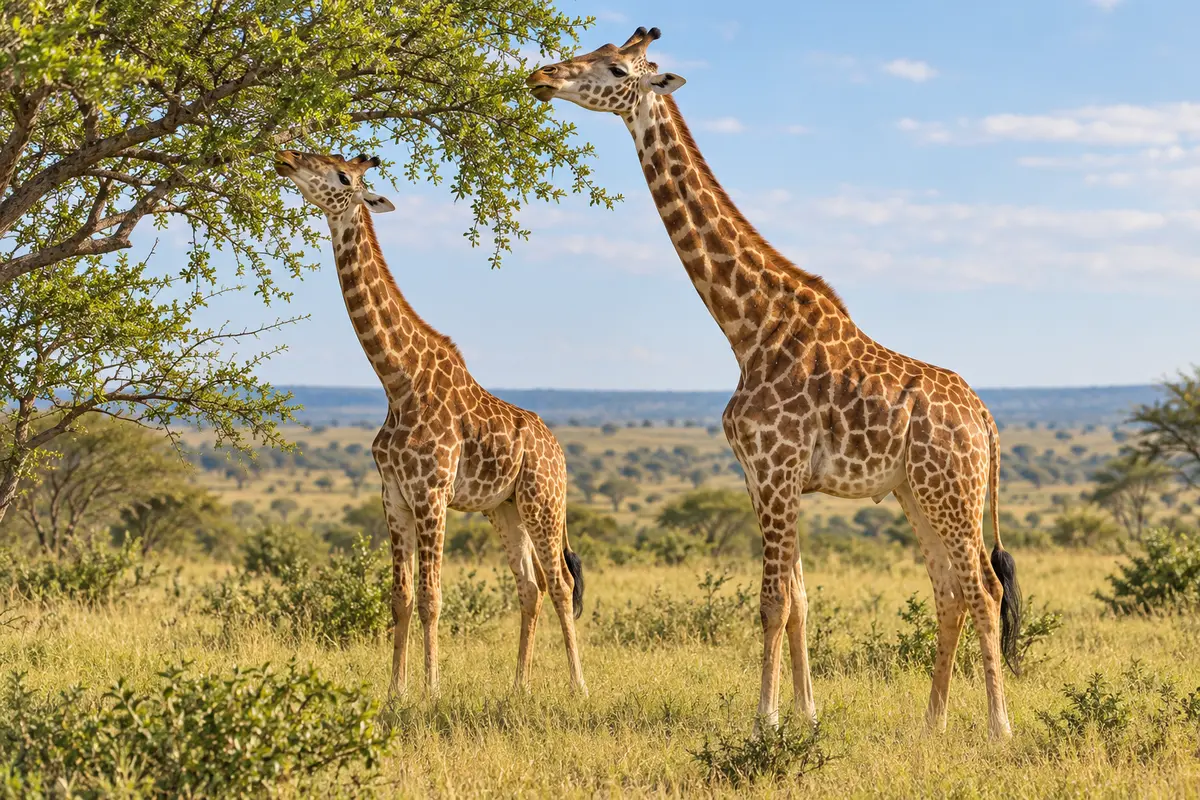
The legal restriction is broader than a giraffe-specific rule. California Fish and Game Code section 2209 limits circus use and exhibition to domestic dogs, domestic cats and domesticated horses. Giraffes fall outside those exceptions.
The Act also defines its scope: a circus is a live-audience performance principally built around varied entertainment acts, while rodeos are excluded from this particular definition. The law should therefore not be described as a ban on every animal exhibition or every form of animal entertainment.
A resurfacing social-media graphic saying Newsom “signs” a bill can obscure that timeline. Readers should distinguish the 2019 signing from the continuing restriction. The law also does not establish that every former circus giraffe has been released, moved to a sanctuary, or stopped travelling outside California.

For animal-welfare advocates, the rule represents a limit on using wild animals as part of a spectacle. Human performers can still provide circus entertainment. Evaluating any specific animal’s circumstances, however, requires evidence about that animal and its care—not assumptions drawn from a general law.
All images, including the featured poster, are AI-generated educational reconstructions and do not document a particular animal, location or event.
Sources: California Governor’s Office, October 12, 2019; Animal Legal & Historical Center, statute checked September 2026.
