
California’s bobcat population is holding steady at an estimated 62,000 animals, according to the state’s most comprehensive survey of the species to date. The California Department of Fish and Wildlife (CDFW) released the findings on August 31, 2026, after five years of fieldwork and analysis across the state.
The result offers an important statewide benchmark for one of California’s most widespread native predators. Bobcats live across much of the state, from coastal scrub and oak woodland to deserts and mountain forests, although they are generally absent from heavily urbanized areas and the most intensively farmed parts of the Central Valley.
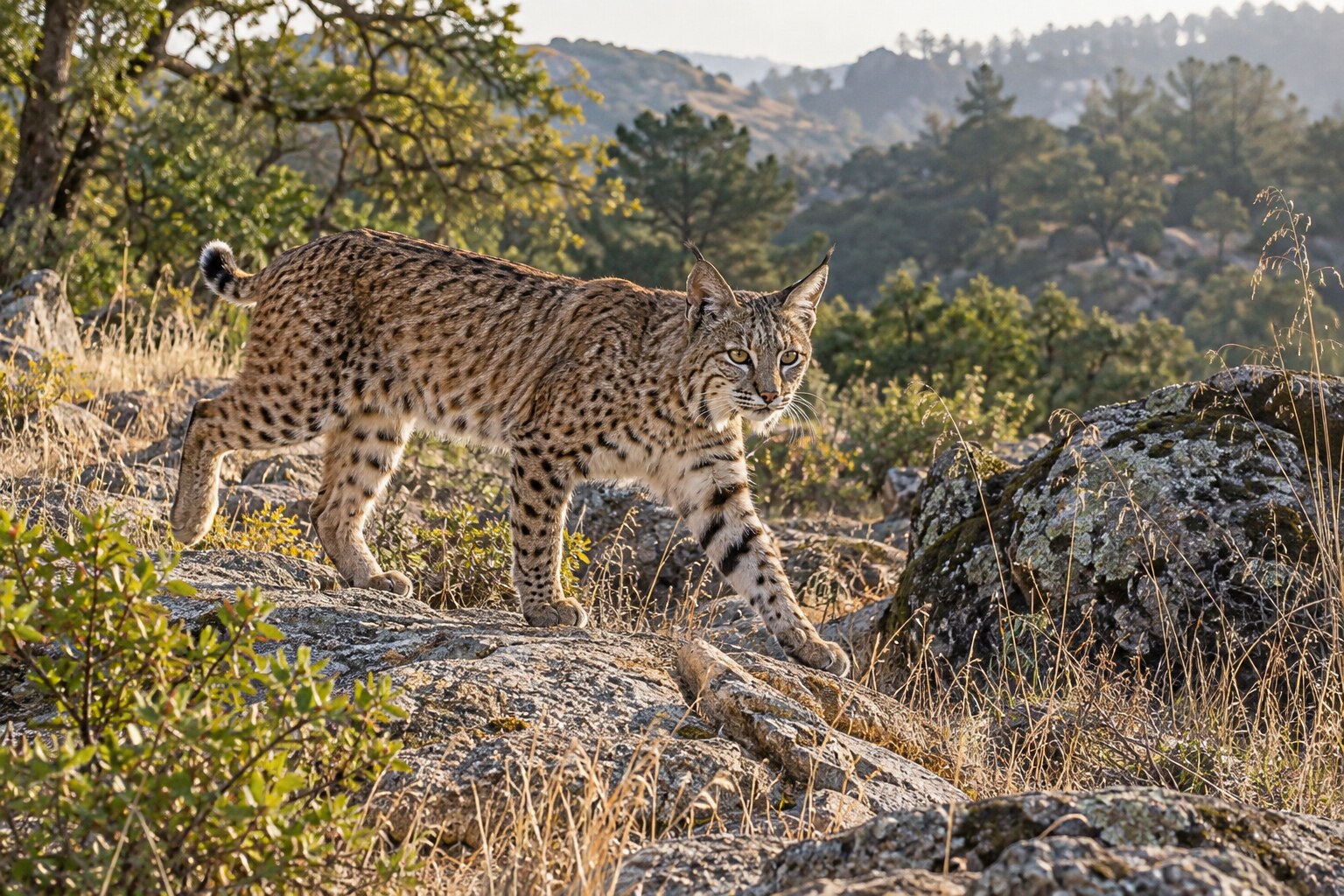
Five years of statewide research
CDFW scientists combined several lines of evidence to build the estimate. Their work included GPS satellite collars, DNA collected from fecal samples, remote camera traps and necropsies. Using multiple methods allowed researchers to study where bobcats occur, how they move through different landscapes and how survival varies across regions.
The department described the statewide population as stable. That does not mean every local population is changing in the same way. CDFW cautioned that bobcats may be increasing in some places and declining in others, a distinction that matters as habitat loss, roads, wildfire and human-wildlife conflict affect regions differently.
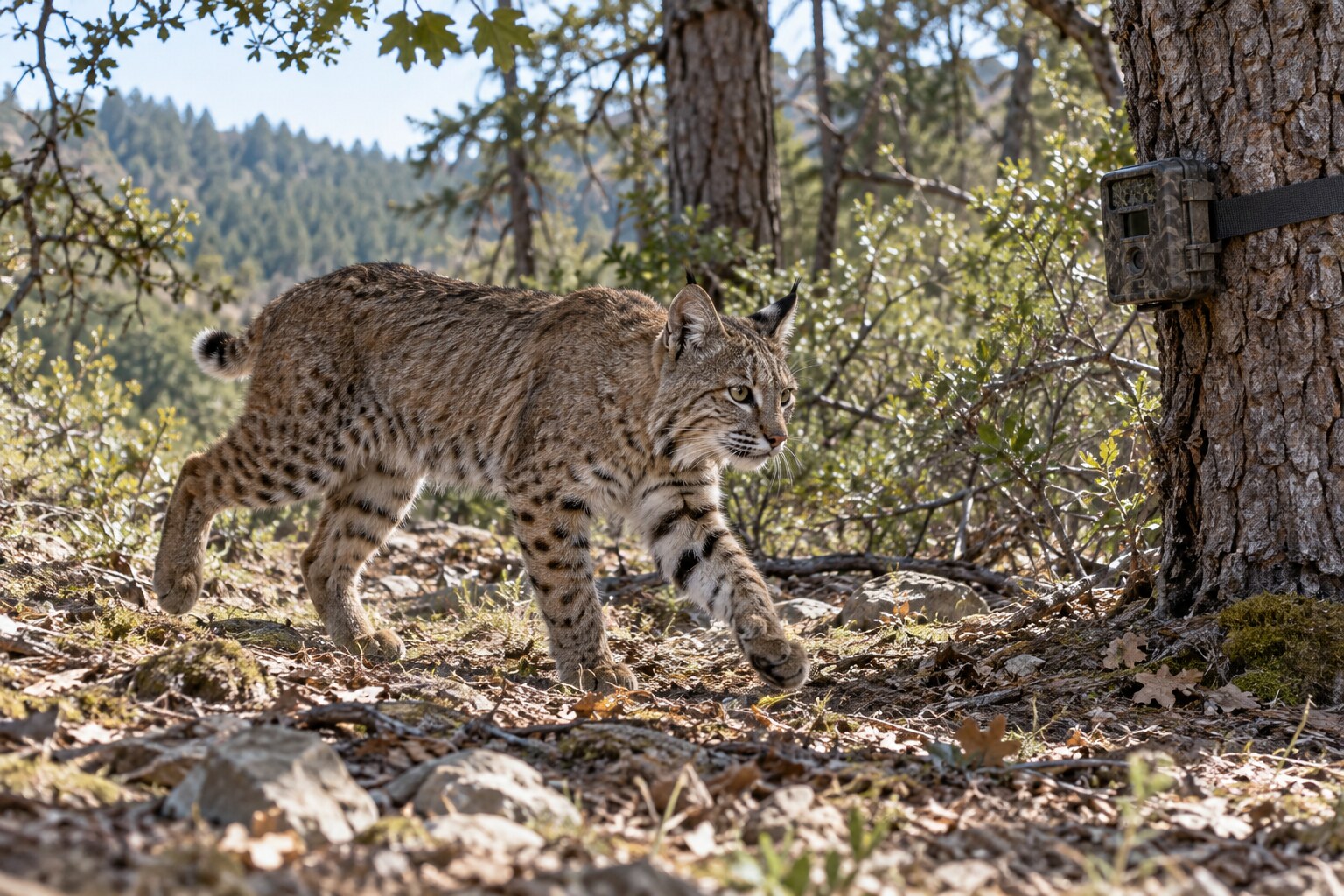
Hunting and trapping protections remain in place
California’s current protections are unusually strong. A law passed in 2019 made it illegal to hunt, trap or otherwise take a bobcat beginning January 1, 2020. Commercial and recreational trapping for fur had already been prohibited statewide. The law does contain limited exceptions, including the removal of an animal under a state-issued depredation permit when qualifying damage or threats are documented.
That exception is important context: California’s prohibition is broad, but it is not an absolute ban under every circumstance. Residents who encounter a bobcat should secure pets and livestock, remove attractants and contact wildlife authorities rather than attempting to capture or harm the animal.
Why the estimate matters
Bobcats help regulate populations of rabbits, rodents and other small animals, making them an important part of healthy ecosystems. A rigorous population estimate also gives wildlife managers a baseline for detecting future changes and focusing conservation work where local declines may emerge.
The new figure should be understood as a scientific estimate rather than an exact head count. Even so, the scale and duration of the study make it the clearest statewide picture yet. For now, the evidence indicates that California’s bobcats remain numerous and broadly distributed under the state’s current protections.
Sources
- California Department of Fish and Wildlife: statewide bobcat population survey
- California Department of Fish and Wildlife: Bobcat conservation and regulations
- California Department of Fish and Wildlife: Living with bobcats
