
California’s Proposition 12 did not suddenly become law in 2026. Voters approved the measure in November 2018, with roughly 63% voting yes, and its animal-housing and sales requirements were phased in over several years.
The law established minimum confinement standards for breeding pigs, egg-laying hens and calves raised for veal. It also restricts the sale in California of covered whole pork, shell and liquid eggs, and whole veal when the animals were confined in ways that do not meet the state’s standards—even when the products were produced outside California.
What Proposition 12 changed
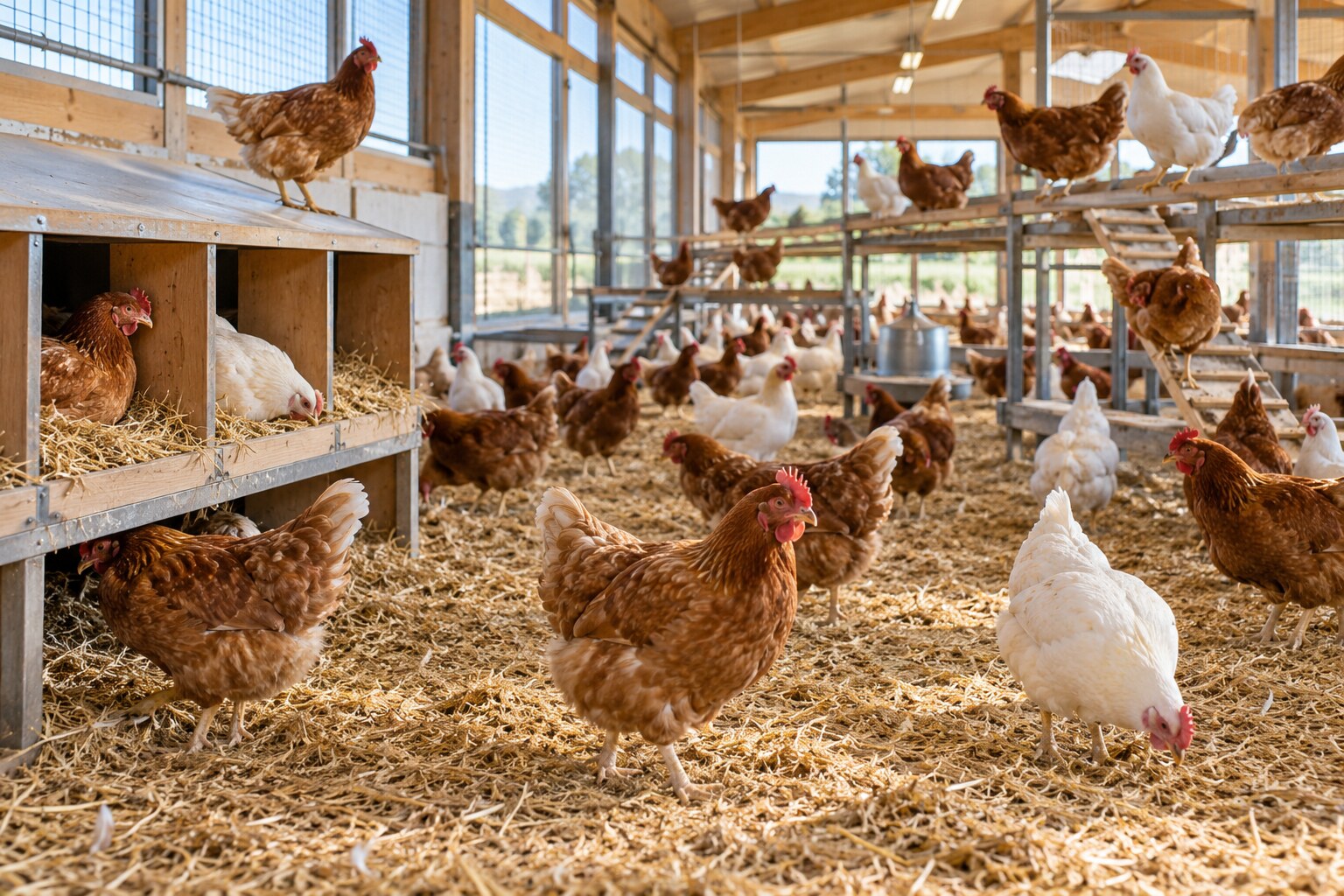
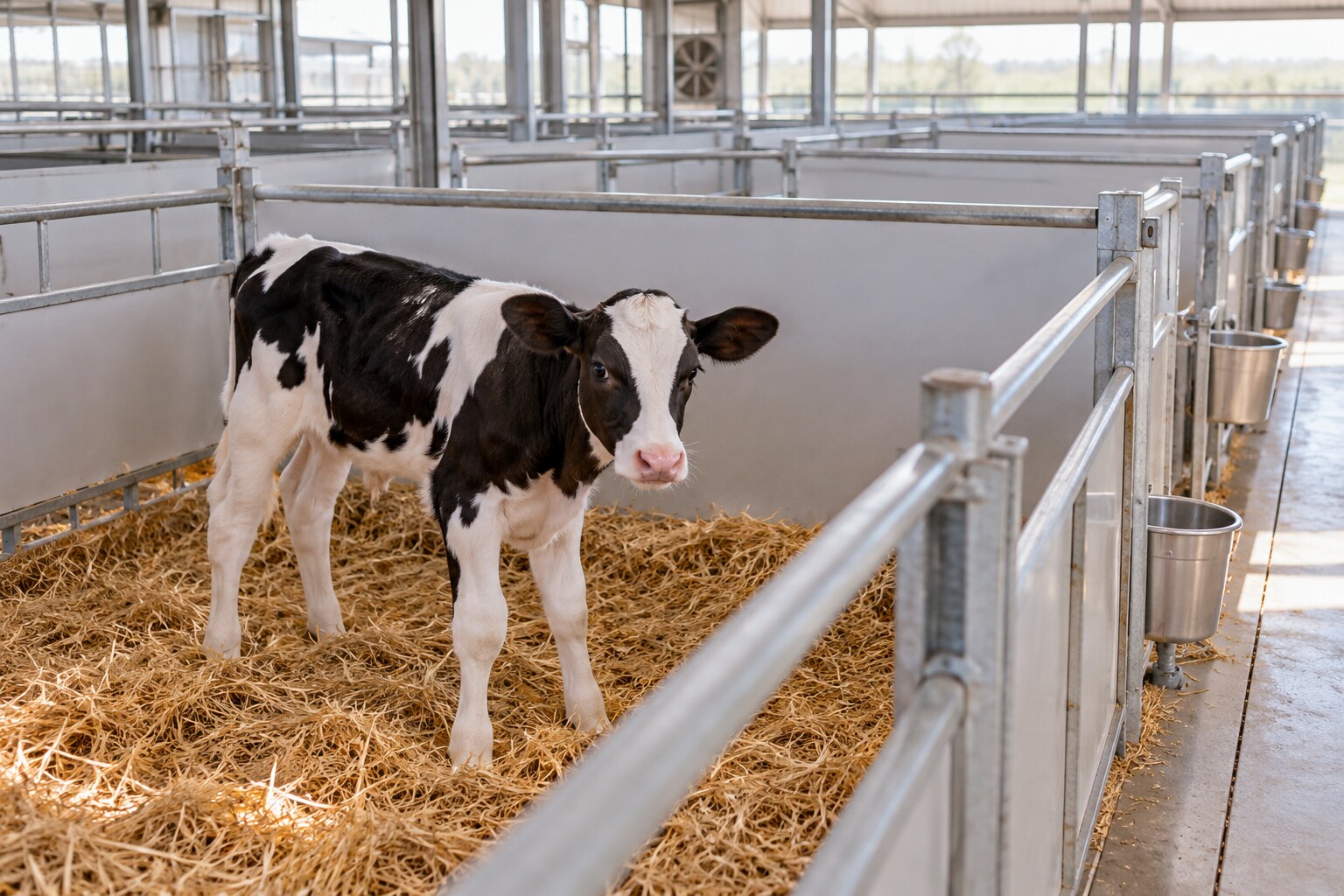
Proposition 12 built on earlier California animal-confinement rules. It requires covered animals to have enough space to perform basic movements and prohibits specified forms of restrictive housing. For egg-laying hens, the measure moved the state toward cage-free housing. For breeding pigs and calves raised for veal, it established minimum usable-floor-space requirements and movement standards.
The rules are product-specific. They do not cover every animal, every farming practice or every pork, egg and veal product. The law also does not guarantee outdoor access. Its central function is to set confinement conditions for defined categories of animals and to connect those standards to the sale of certain products in California.
A phased implementation, not a new 2026 policy
Implementation occurred in stages. California’s Department of Food and Agriculture says the initial minimum-space requirement for calves raised for veal took effect on January 1, 2020. Requirements affecting egg-laying hens, eggs, breeding pigs and covered whole-pork products took effect on January 1, 2022. The department’s implementing regulations became effective on September 1, 2022, and a later certification deadline arrived on January 1, 2024.
Those dates matter because social-media posts can make the measure sound newly enacted. The accurate timeline is that voters approved it in 2018, the substantive requirements were phased in from 2020 onward, and enforcement and certification systems continued to develop afterward.
The Supreme Court challenge
Pork-industry groups challenged the law, arguing that California’s sales restrictions improperly controlled commerce beyond the state’s borders. On May 11, 2023, the U.S. Supreme Court rejected the challengers’ dormant Commerce Clause theories in National Pork Producers Council v. Ross. The ruling allowed Proposition 12’s pork provisions to remain in force, although the fractured opinions reflected disagreement among the justices about the legal analysis.
The litigation did not mean that every dispute surrounding the law ended. Federal officials later brought another challenge. According to the California Attorney General, a federal district court dismissed that lawsuit on March 20, 2026. That is the latest verified court outcome cited here; it does not turn the underlying 2018 ballot measure into a new law.
Why the measure remains significant
Proposition 12 is significant because California used both animal-housing rules and access to its large consumer market to influence production practices. Producers selling covered products into California must demonstrate compliance even when their farms and processing systems are elsewhere.
Supporters view the law as a meaningful step away from extreme confinement. Opponents have raised concerns about compliance costs, supply-chain complexity and the reach of one state’s standards into interstate agriculture. Those policy disagreements remain distinct from the verified legal history: the measure passed, its requirements were implemented, the Supreme Court rejected the principal 2023 constitutional challenge, and the later federal case was dismissed at the district-court level in March 2026.
For consumers, the clearest takeaway is narrower than some viral summaries suggest. Proposition 12 did not eliminate intensive animal agriculture, but it did create enforceable minimum confinement rules and market restrictions for specified veal, egg and pork products sold in California.
Sources
- California Secretary of State: Proposition 12 title and summary
- California Department of Food and Agriculture: Proposition 12 FAQ
- U.S. Supreme Court: National Pork Producers Council v. Ross (May 11, 2023)
- California Attorney General: district-court dismissal announced March 20, 2026
