
Costa Rica has prohibited sport hunting for more than a decade. Reform Law No. 9106 was adopted on December 20, 2012, and published in the official gazette on April 24, 2013, amending the country’s Wildlife Conservation Law. The measure was a major wildlife-protection step, but it is important to describe it accurately: this is a long-standing law, not a new ban announced in 2026.
A nationwide prohibition with regulated exceptions
The current legal framework generally prohibits hunting wild animals in Costa Rica for sport or recreation. In practical terms, wildlife cannot legally be killed simply for entertainment or collected as a hunting trophy.
That does not mean every form of wildlife capture or removal is forbidden under every circumstance. Costa Rica’s National System of Conservation Areas, known as SINAC, may authorize control hunting when intervention is needed for wildlife management. The law also provides regulated routes for scientific or academic collection and recognizes certain permitted activities connected with community customs, traditional ways of life, conservation and sustainable use. SINAC’s current wildlife procedures include permits for control and subsistence hunting.
The law protects Costa Rica’s own wildlife
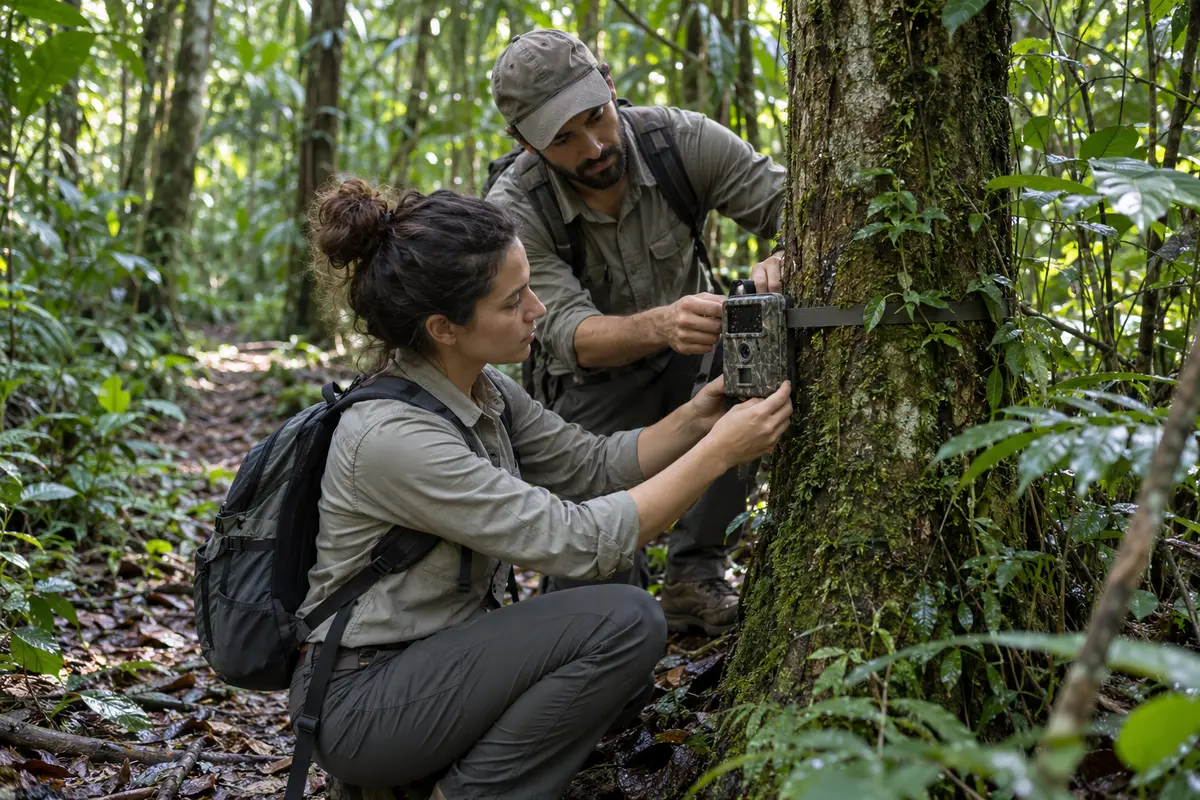
The hunting prohibition applies to Costa Rica’s native wildlife. The country’s forests and wetlands support animals such as Baird’s tapirs, white-tailed deer, peccaries and several wild cat species. These are the kinds of animals directly relevant to the national law.
Images of African lions or elephants are sometimes used in social-media posts about Costa Rica’s ban, but those animals are not native to the country. Their use can create a false impression about what the law protects on the ground. Costa Rica’s policy is best understood through the species and ecosystems actually found within its borders.
Trophy rules have developed further
Costa Rica later strengthened controls involving wildlife trophies through Law No. 9863. That law restricts the import of trophies from endangered or severely threatened wildlife unless the required permits, certificates or licenses under the Convention on International Trade in Endangered Species of Wild Fauna and Flora, known as CITES, are in place. This is a regulated import restriction, not a claim that every wildlife-related object is banned in all circumstances.

Why the date and enforcement both matter
Calling the policy “new” would obscure more than a decade of legal history. The reform was approved in 2012 and took effect through publication in 2013. Its continuing importance lies in the national standard it established: native wildlife is not a recreational target.
A law alone, however, cannot eliminate illegal hunting. Protection also depends on enforcement, habitat conservation, monitoring, public reporting and support for the authorities and communities responsible for safeguarding wildlife. Legal exceptions must be administered carefully so that necessary management does not become a loophole for recreational killing.
Costa Rica’s approach remains significant because it places the value of wild animals in living ecosystems rather than in trophies. The clearest takeaway is not that the country has just acted, but that its sport-hunting prohibition has been part of national wildlife law since 2013.
Official sources
- SINAC: Wildlife Conservation Law No. 7317, current consolidated text
- Costa Rica Judicial Branch: Law No. 9106 chronology and legal record
- SINAC: Current wildlife permit procedures
- SINAC: Law No. 9863 on wildlife trophies and related controls
