
A federal judge has temporarily blocked the Bureau of Land Management from forcing American Prairie to remove 950 bison from three public-land grazing allotments in northeastern Montana.
U.S. District Judge Brian Morris issued the preliminary injunction on September 4, 2026. The order allows the bison to remain on the Telegraph Creek, Box Elder and Whiterock allotments in Phillips County while American Prairie’s lawsuit against the Department of the Interior and BLM continues.
The ruling is important but limited. It does not settle the underlying case, and it does not restore bison grazing on three other allotments where American Prairie did not already have animals on the ground.
Why BLM ordered the bison removed
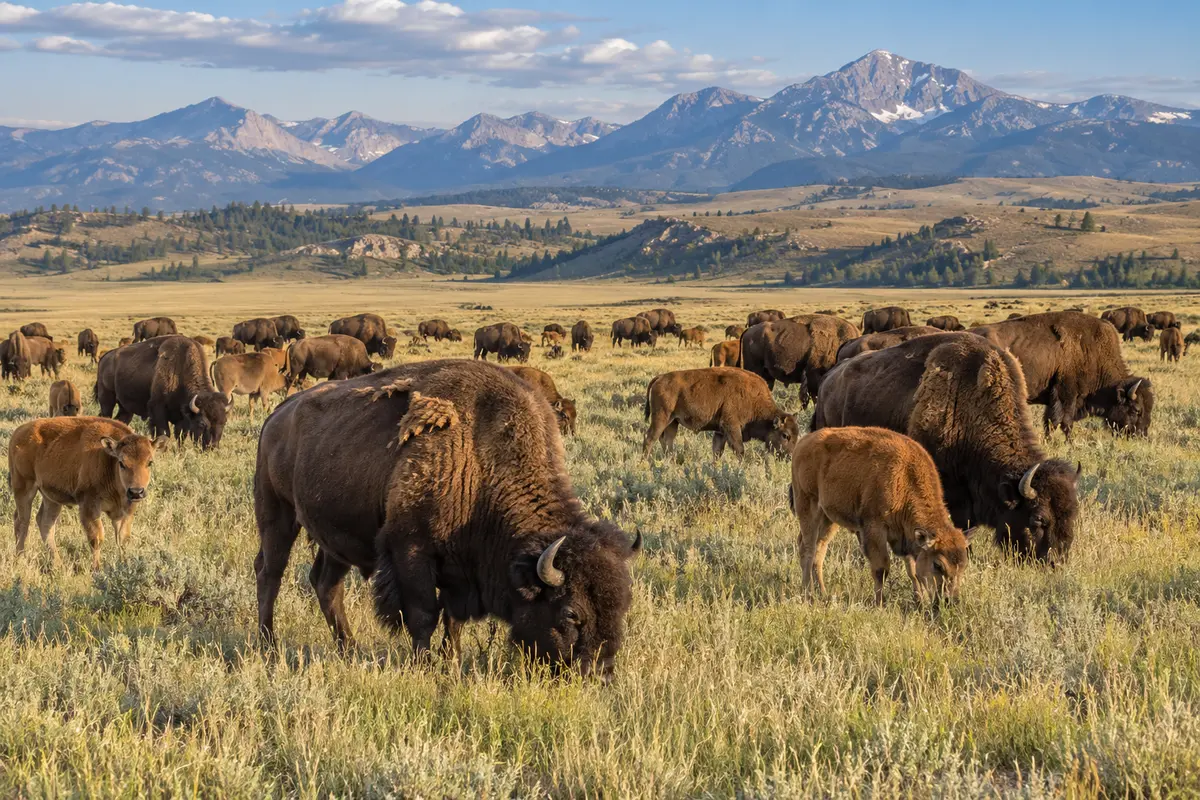
American Prairie owns about 940 bison and 8,000 cattle across leased and deeded land in Montana’s northern plains, according to the court record. Its bison have grazed under BLM authorization on some of the affected allotments for roughly two decades.
In 2022, BLM approved bison grazing on six of seven allotments in American Prairie’s application. The agency concluded at that time that the nonprofit qualified for permits under the Taylor Grazing Act and could manage its bison as domestic livestock.
BLM reversed course in a final decision dated May 8, 2026. It said the Taylor Grazing Act permits grazing only for domestic livestock managed primarily for production-oriented purposes. Because American Prairie describes conservation and ecological restoration as central goals, BLM rescinded the bison authorizations and ordered the animals removed from federal land by September 30.
American Prairie sued, arguing that the agency had invented a production-only requirement that does not appear in the statute and had disregarded evidence showing that the herd is managed as livestock. The bison are confined, tagged, tested for disease and moved between pastures under grazing-management rules. Montana law also classifies them as livestock.
What the court decided—and what remains unresolved
Judge Morris found that American Prairie had shown a likelihood of success on its claims. His order said no statutory language or judicial precedent requires a livestock operation to focus exclusively on production while ignoring conservation, range improvement or preservation.
The court also found that removing the animals could cause concrete harm. The order identifies two herds on the three occupied allotments: 550 bison on Telegraph Creek and Box Elder, and 400 on Whiterock. It noted that earlier reviews found no demonstrated damage to public lands or increased disease risk from the grazing.
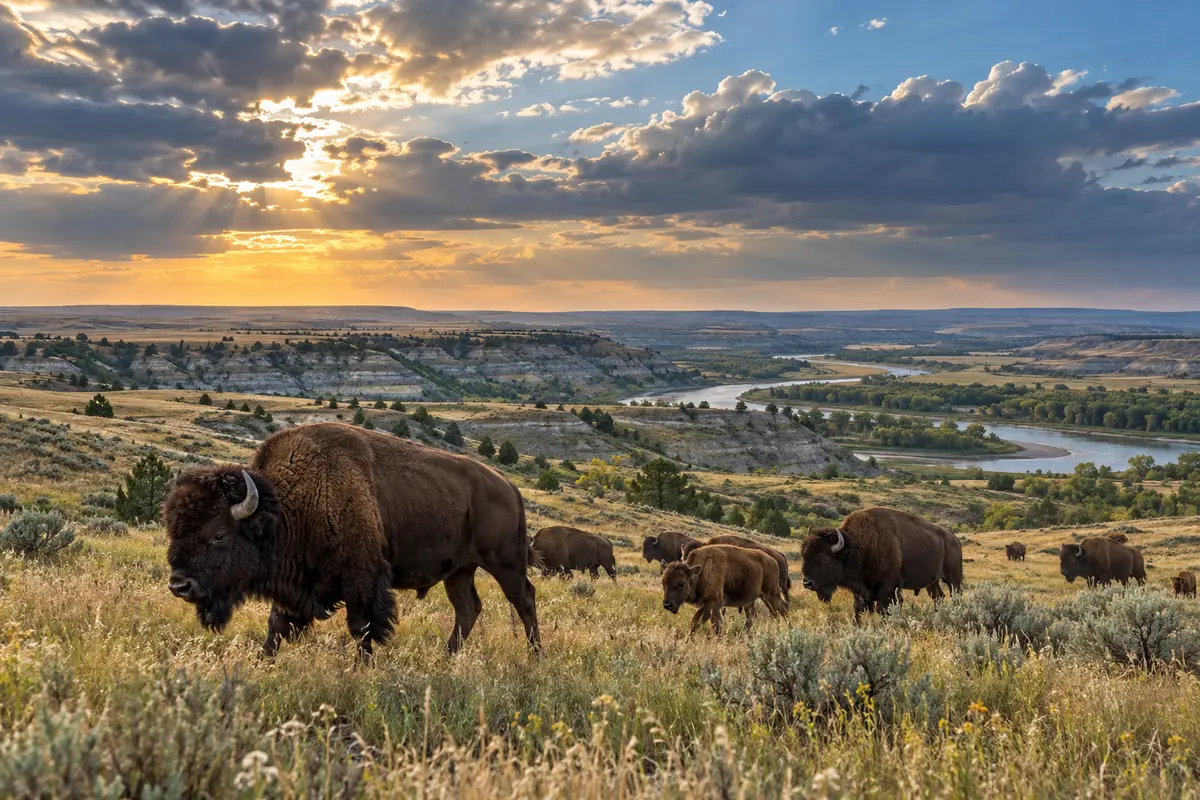
The injunction preserves those three existing grazing arrangements while the court considers whether BLM’s 2026 decision was lawful. The judge declined to extend protection to three allotments where American Prairie’s bison were not already grazing, finding that broader relief would go beyond preserving the status quo.
That distinction makes the viral headline’s “nearly 1,000” figure understandable, but the precise court-protected number in the order is 950. The case also concerns privately owned, domestically managed bison—not a free-roaming wild herd—and it remains an active legal dispute rather than a final victory.
The outcome could influence how conservation-oriented livestock operations are treated under the Taylor Grazing Act. For now, the bison can stay on the three Montana allotments they already occupy as the federal court weighs the merits.
Sources
- U.S. District Court for the District of Montana: September 4, 2026 order
- Bureau of Land Management: May 8, 2026 final decision announcement
- American Prairie: response to the preliminary injunction
- Montana Free Press: court coverage
