
Elephants, much like humans, thrive on a varied diet. Recent research has revealed that these majestic creatures can consume up to 137 different plant species, adjusting their food intake based on seasonal changes and personal preferences.
A team from Brown University in the United States used DNA metabarcoding to study the eating habits of two elephant herds in Kenya.
This method involves analyzing biological samples such as hair or feces and matching the extracted DNA fragments to a database of plant DNA barcodes.
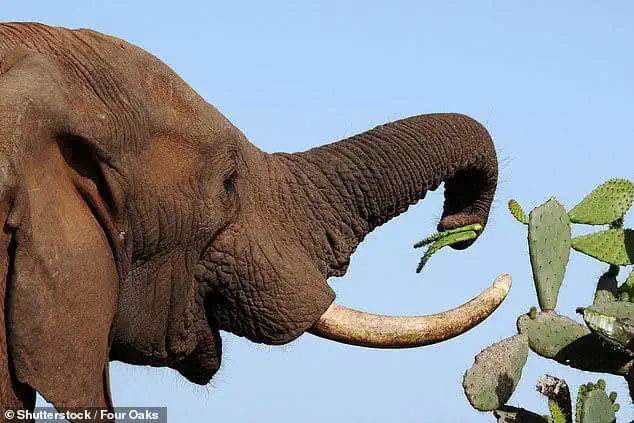
The study uncovered that dietary differences among individual elephants were more significant than previously thought, even among those from the same family group.
Researchers identified up to 137 unique plant DNA barcodes in one fecal sample, highlighting the extensive variation in individual diets.
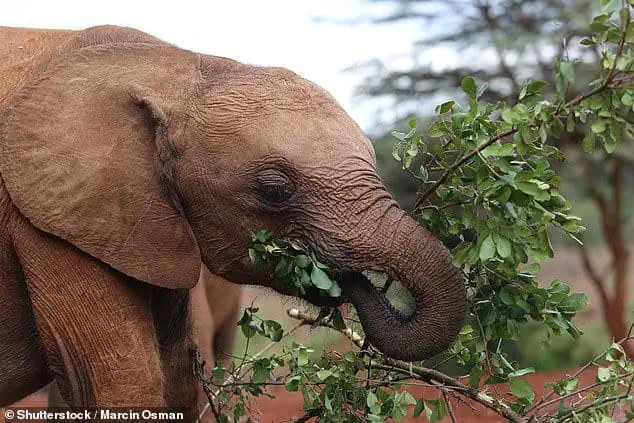
Further analysis revealed that elephants eat more grass during the rainy season and diversify their plant intake during dry periods.
This adjustment is based on food availability, personal preferences, and physiological needs.
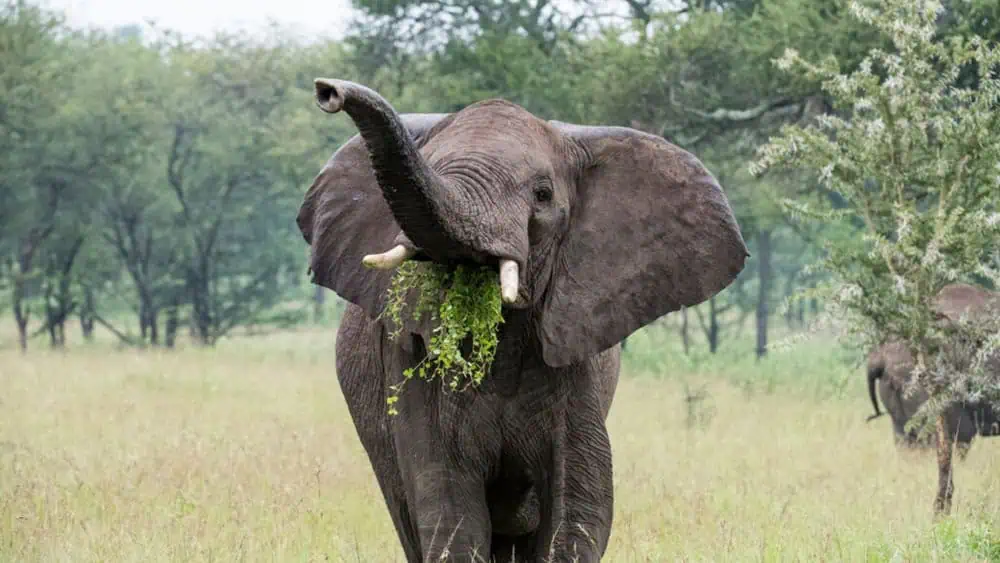
For example, a pregnant elephant might have different cravings and nutritional requirements throughout pregnancy.
Elephants forage in groups to ensure that food is distributed adequately, as not algroup membersup consume the same plants simultaneously.
Tyler Kartzinel, the study’s lead author, noted the challenges of understanding elephant diets in their natural habitat due to their elusive nature, nocturnal habits, and preference for dense vegetation.
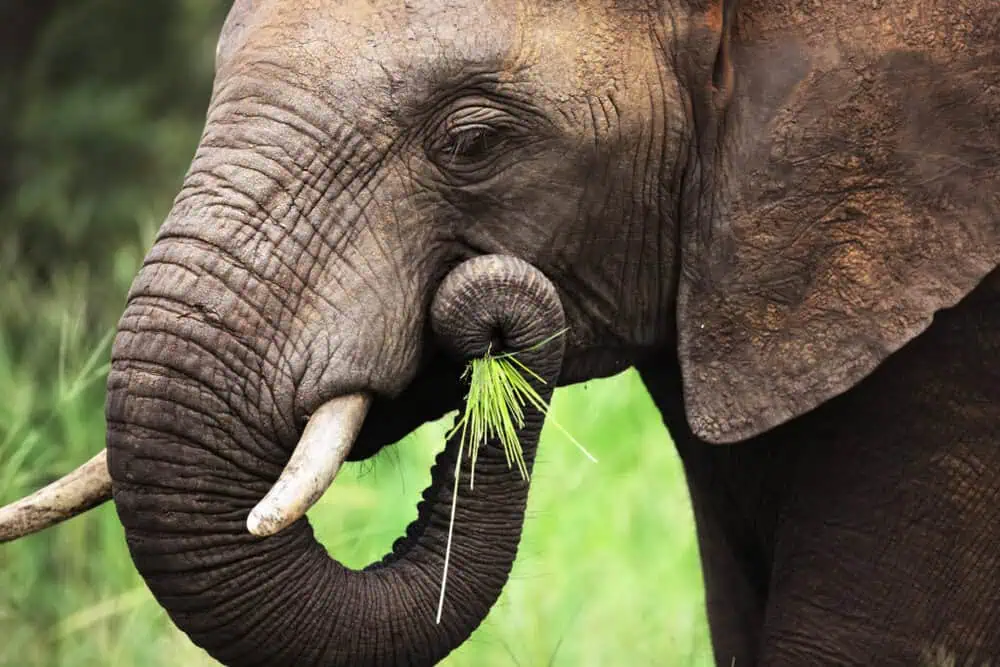
“Wildlife populations thrive with access to diverse dietary resources. Each elephant requires variety—not just in their food, but in their dietary habits,” Kartzinel said. Conservationists emphasize that merely surviving is not enough for animals to thrive.
By understanding individual dietary prefere, we can better manage iconic species like elephants, rhinos, and bison, promoting sustainable population growth.
These findings were published in the journal Royal Society Open Science.
Read more Elephant News.


