
The puppy in a sales photograph is only one part of the story. Adult dogs kept for breeding also need humane housing, veterinary attention and a life that includes more than producing the next litter.
A social-media call to end puppy mills raises that welfare question. It is an appeal for change, rather than an announcement that a nationwide ban has taken effect. The important issue is what happens to the dogs behind the sale—and how families and policymakers can reduce support for cruel breeding.
The adult dogs deserve attention, too
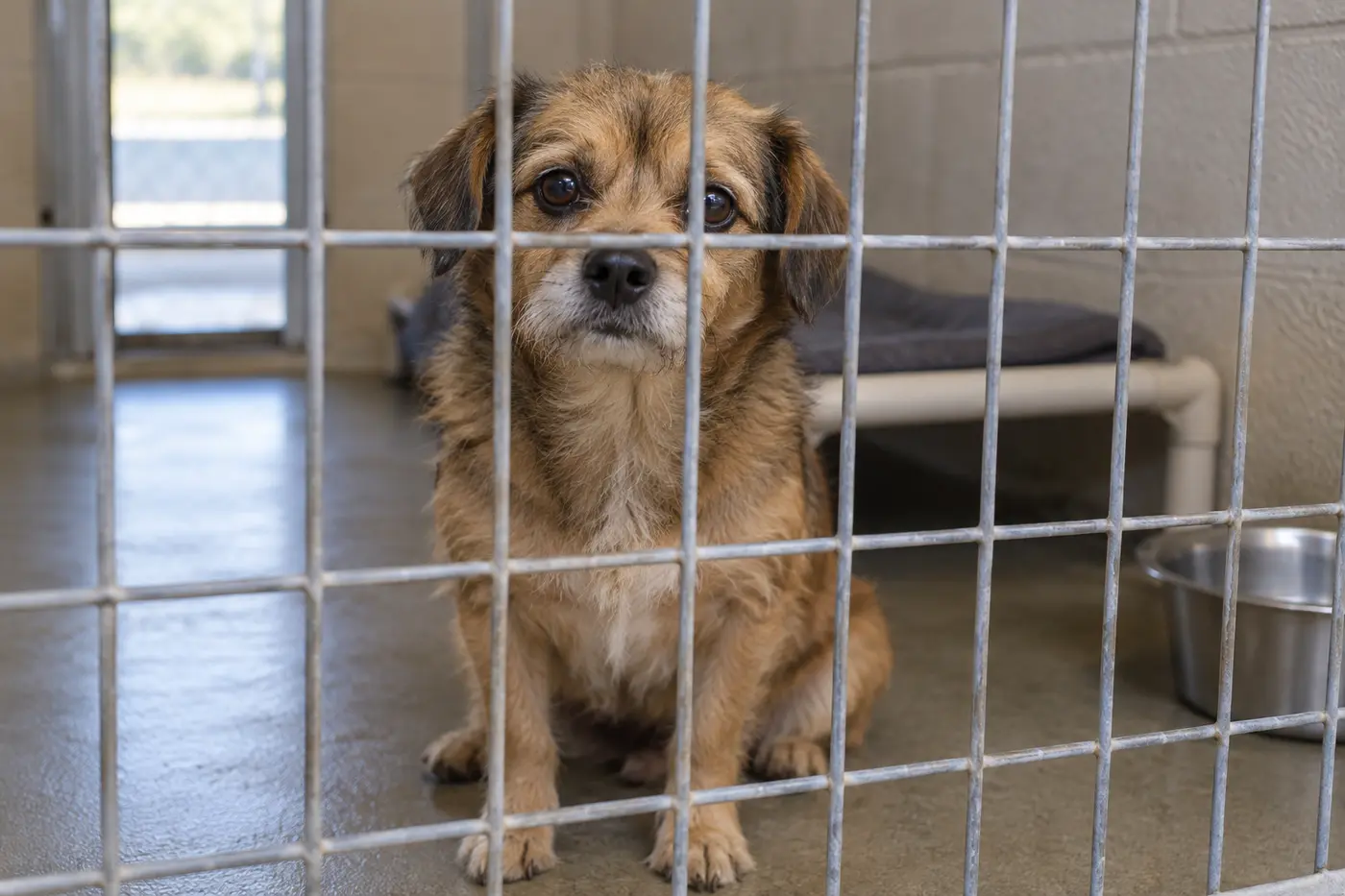
The ASPCA describes puppy mills as a profit-driven system in which dogs can be kept in cruel conditions. Its account of commercial breeding practices identifies cramped confinement, inadequate grooming and veterinary care, and limited opportunities for play or normal human interaction.
The organization also warns about repeated breeding and the lack of a reliable retirement plan for adult dogs. Those concerns extend beyond the health of a puppy at the moment of purchase. A business can present appealing puppies while leaving their parents’ living conditions largely out of view.
These descriptions should not be treated as proof about every breeder or an unidentified kennel in a photograph. They explain the practices animal-welfare advocates are challenging. Evaluating a particular facility requires evidence about its animals, records and conditions.
Different protections address different problems
In the United States, federal welfare rules and local retail-sale restrictions serve different purposes. Neither should be described simply as a universal ban on dog breeding.
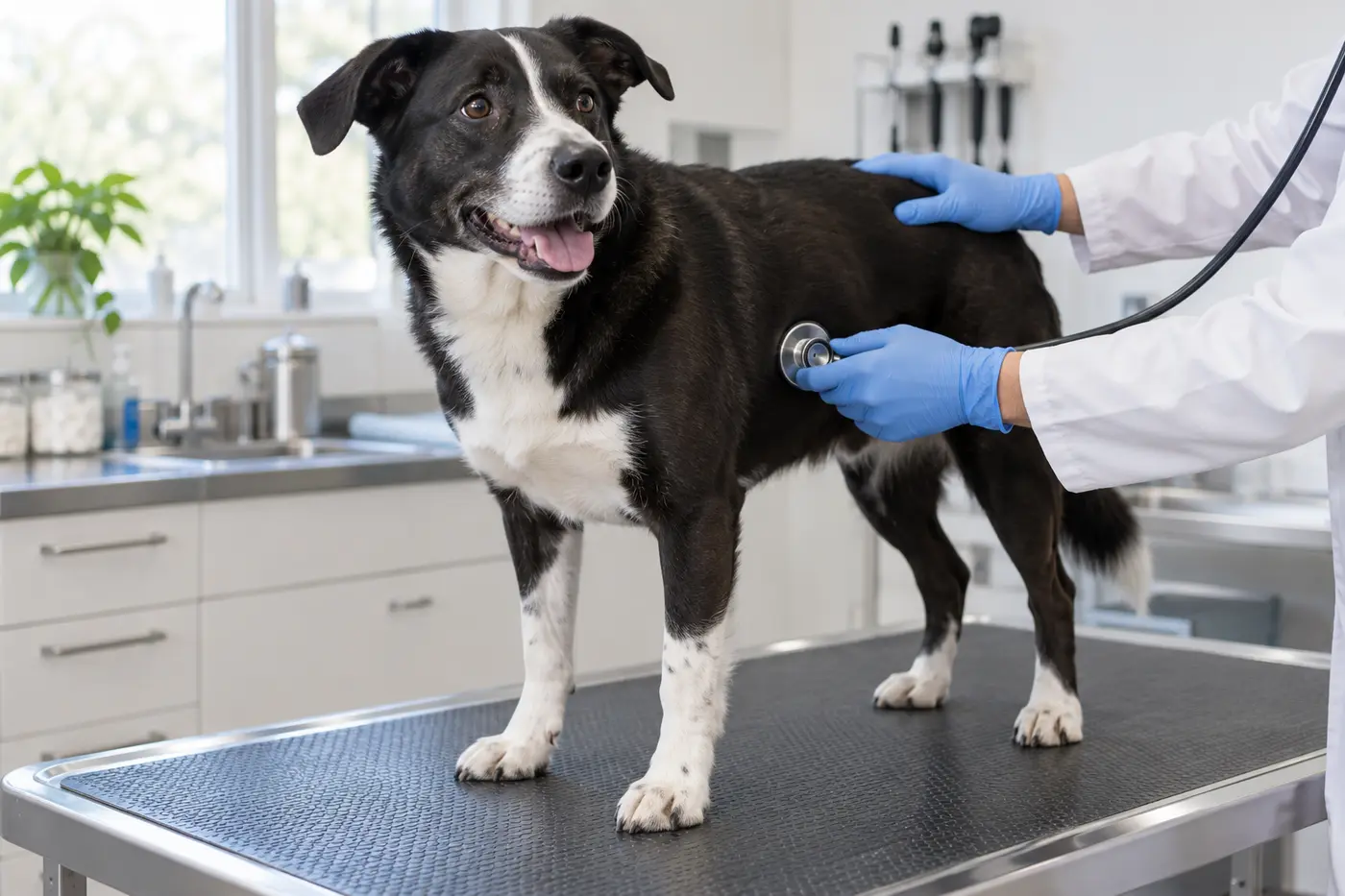
For facilities covered by the relevant Animal Welfare Act requirements, USDA APHIS outlines a written veterinary-care program, a veterinarian’s visit at least annually and an annual physical examination for every dog on the premises. The program must also address vaccinations, parasites and preventive care, including coats, nails, eyes, ears, skin and teeth. Medical records must be maintained for inspection.
APHIS links these requirements to the rule published on May 13, 2020, which took effect on November 9, 2020. They are established standards, not a newly announced prohibition on breeding.
Retail pet-sale restrictions target another part of the system: access to pet-store customers. The ASPCA supports such measures as a way to reduce demand for commercially sourced puppies and encourage shelter and rescue partnerships.
A restriction on a shop’s sales is different from shutting down every breeding facility. Any claim about a ban needs to identify the jurisdiction, the animals and businesses covered, and the actual legal requirements.
Look beyond the sales photograph
Families considering a dog can start with shelters and rescue groups. If they choose a breeder, the ASPCA recommends visiting in person, seeing the puppy’s mother and living environment, and asking for health records.
Transparency matters. A seller’s reluctance to show where the dogs live, pressure to decide quickly or insistence on meeting elsewhere should prompt closer scrutiny. Responsible breeders should also ask prospective owners questions and help them prepare for the dog’s needs.
The welfare test reaches beyond whether a puppy looks healthy today. It includes the care of the parents, the conditions in which the litter was raised and the seller’s willingness to answer meaningful questions.
Ending puppy-mill cruelty is a goal that requires attention to both demand and animal care. The dogs who remain behind after a sale deserve to be part of that conversation.
Sources: ASPCA: Puppy Mills 101; commercial breeding practices; USDA APHIS veterinary-care requirements; retail-sale restrictions; responsible breeder guidance.
