
Gold Dancer’s death after winning at Aintree has reopened a difficult British debate: can the risks of horse racing be reduced enough to justify the sport, or are those risks inseparable from it?
The seven-year-old gelding won the Mildmay Novices’ Chase on 10 April 2026, despite making a serious mistake at the final fence. He completed the race, but his movement changed after the finish. Jockey Paul Townend dismounted, veterinary teams assessed the horse, and Gold Dancer was euthanized because of the severity of the injury.
What is known about Gold Dancer’s death
The British Horseracing Authority said the incident would be examined through its fatality-review process. Contemporary reports also noted an important detail: Townend said Gold Dancer had felt sound through the finish, with the change becoming apparent only afterward. The available evidence therefore does not support claims that the jockey knowingly continued on an obviously injured horse.
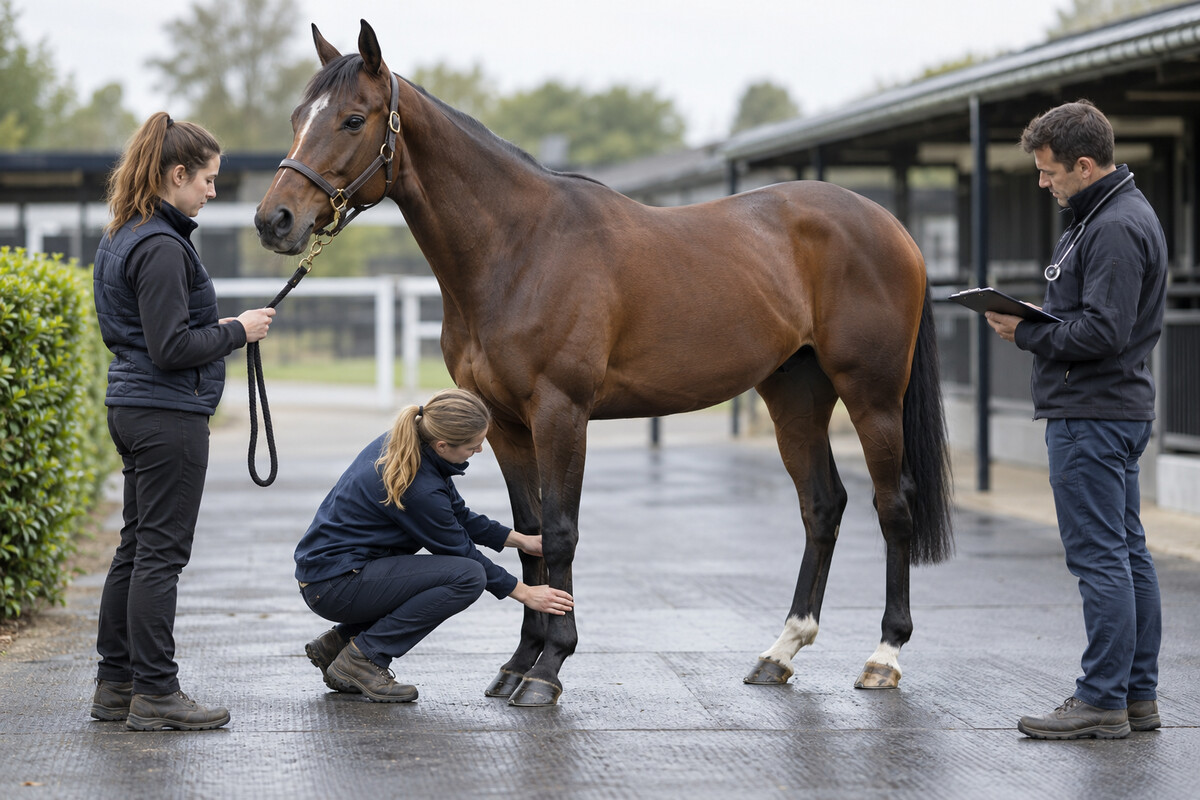
Every equine death at a major meeting deserves careful scrutiny. That includes the condition of the course, fence design, race speed, veterinary response and the decisions made before and during competition. A review cannot reverse a death, but it can establish whether a preventable factor contributed and whether safety rules should change.
Polanski’s call is political advocacy, not current law
Zack Polanski, elected leader of the Green Party of England and Wales on 2 September 2025, used Gold Dancer’s death to renew his call for horse racing to be banned. His intervention has given abolitionist arguments greater political visibility, but it is important to describe the legal position accurately: Britain has not enacted a horse-racing ban, and Polanski’s proposal is not government policy.
Nor should his statement automatically be presented as a settled, party-wide policy covering all horse racing. At its September 2024 conference, the Green Party formally backed an immediate ban on greyhound racing and a ban on whip use in horse racing. Polanski’s broader demand goes further than that clearly documented conference decision.
Why the debate remains sharply divided
Campaigners seeking abolition argue that high-speed racing and jumping expose horses to risks they did not choose, and that a system dependent on animals for entertainment cannot make occasional catastrophic injuries ethically acceptable. For them, better procedures may reduce harm without resolving the underlying question.
Racing authorities and participants answer that welfare standards, veterinary care, course design and injury data can be used to reduce risk. They also point to the livelihoods supported by breeding, training and racing, while stressing that many people in the industry devote their working lives to horses. The British Horseracing Authority says it invests in welfare and conducts detailed reviews of fatalities to identify lessons.
That response also creates a measurable obligation. Welfare cannot stop at the racecourse gate. It includes sound training practices, prompt veterinary intervention, transparent reporting, responsible breeding and credible aftercare for horses that leave competition. Public trust depends on independently testable progress rather than reassurance alone.
A verified tragedy, with policy still unsettled
The central facts are clear: Gold Dancer won at Aintree on 10 April 2026, suffered a fatal injury and was euthanized following veterinary assessment. Polanski subsequently called for horse racing to be prohibited. What follows from those facts remains contested.
A responsible public debate should distinguish evidence from rhetoric. It should examine what happened to Gold Dancer, publish the findings of the official review, compare injury and fatality trends over time, and evaluate whether reforms genuinely lower risk. It should also state plainly that, as of now, the abolition call is a proposal—not a change in British law.
Sources
- Reuters: Gold Dancer suffers fatal injury after Aintree victory
- Associated Press: reporting from the 2026 Aintree meeting
- The Independent: Polanski renews call for a horse-racing ban
- Green Party: Polanski elected party leader
- Green Party: 2024 conference decisions on animal racing
- British Horseracing Authority: welfare and the Grand National
Image disclosure: The featured image and both images within this article are AI-generated editorial or educational reconstructions. They do not depict Gold Dancer, the fatal race or any specific real veterinary examination.
