
Greece has established one of Europe’s clearest legal barriers against using horses and other equines as raw material for meat and other commercial products.
Under the country’s animal-welfare framework, it is prohibited to breed, export or use equines for the production of fur, skin, meat, medicines or other substances. The restriction also applies to dogs and cats. It first entered Greek law in 2020 and appears in the current companion-animal welfare framework under Article 23 of Law 4830/2021.
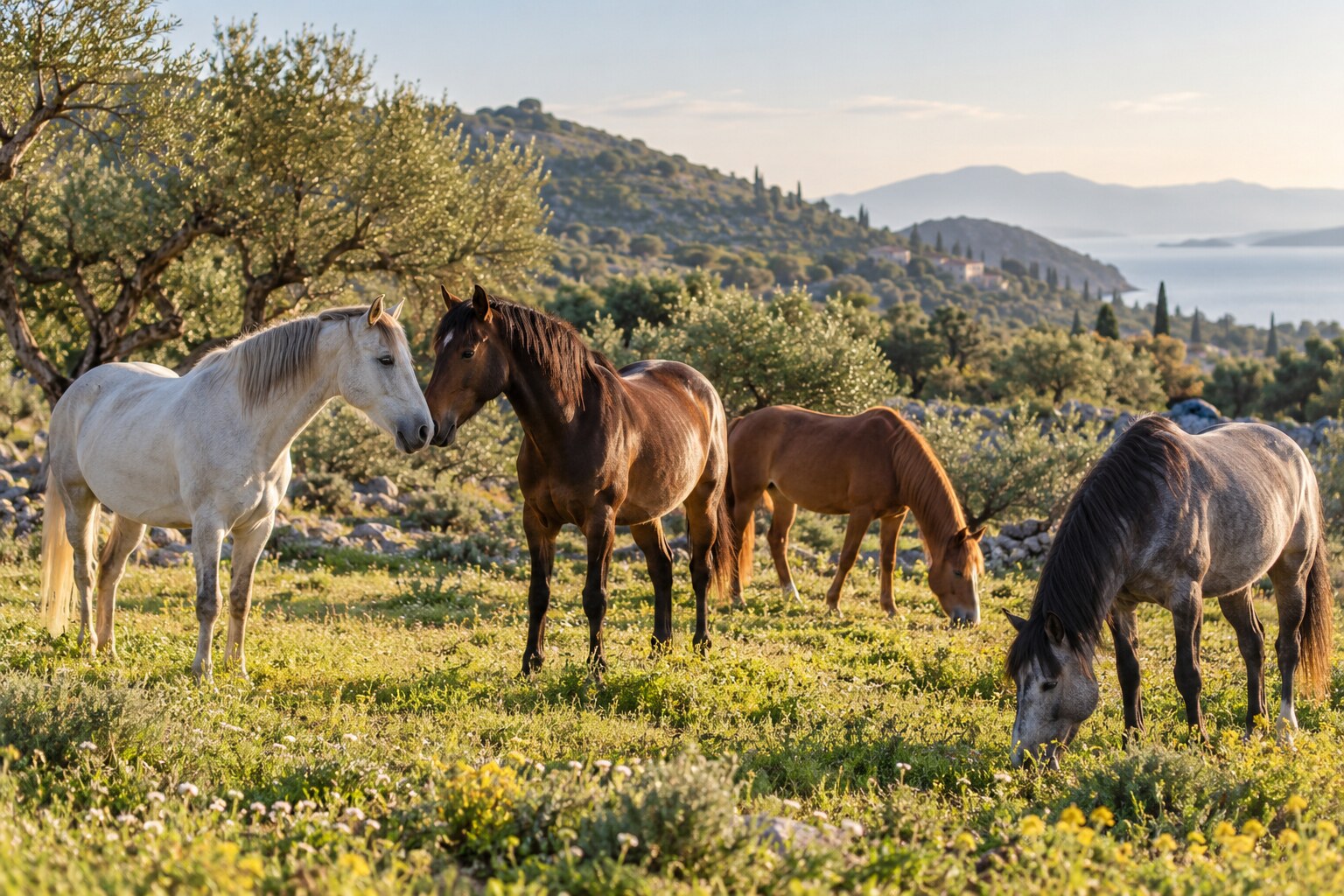
What the law actually prohibits
The wording is broader than a rule covering slaughterhouses alone. It targets the breeding, export and use of an equine when the purpose is to produce fur, skin, meat, medicines or other substances. “Equines” includes horses, donkeys and related animals.
A violation carries an administrative fine of €50,000 for each animal. The law also provides for criminal consequences for violations of Article 23(5), including imprisonment of up to 10 years and a financial penalty calculated in daily units.
That makes the protection more than a symbolic statement. By imposing a per-animal fine and potential criminal sanctions, the framework is intended to deter businesses or individuals from treating equines as a source of meat or other listed products.
What the law does not say
Accuracy matters when describing this policy. Greece has not prohibited every commercial activity involving horses. Horses may still be kept for companionship, sport, work and other lawful purposes, subject to the country’s welfare rules.
The provision is also more precise than a blanket statement that “all horse meat is illegal.” Its text prohibits breeding, exporting or using covered animals for the production of meat and other specified substances. Claims about the sale or import of products require separate analysis under Greek and European Union food and trade rules.
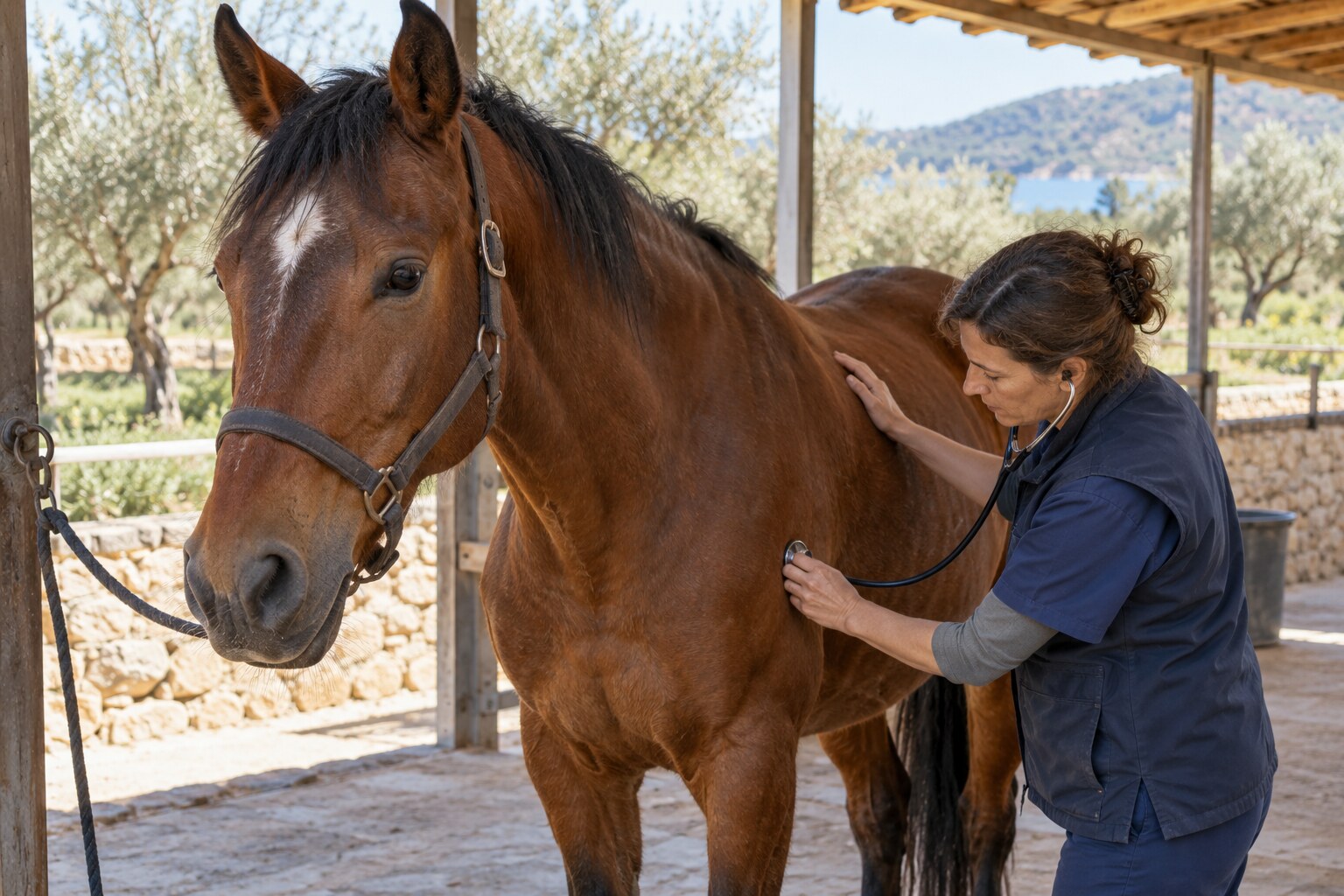
Why lifetime care matters
Horses can live for decades. An animal may outlive a racing, sporting or working career by many years, which means owners and industries need credible plans for retirement and long-term care.
Preventing equines from being redirected into meat production removes one possible commercial exit, but it also increases the importance of responsible rehoming, veterinary support and sanctuary capacity. Legal protection works best when it is paired with practical systems that keep aging, injured or unwanted animals from being abandoned or neglected.
The Greek approach recognizes that horses, donkeys and related animals should not become meat, leather or pharmaceutical inputs simply because their previous role has ended. For animal advocates, that principle is powerful: the end of an animal’s working life should not automatically mean the end of its life.
Sources
- Law 4830/2021, Article 23
- Law 4830/2021, Article 35: administrative penalties
- Law 4830/2021, Article 34: criminal sanctions
- Eurogroup for Animals: 2020 equine-law background
