
Illinois does restrict the sale of certain cosmetics developed through animal testing, but this is not a new 2026 policy. Governor J.B. Pritzker approved Senate Bill 241 on August 9, 2019, creating Public Act 101-303.
The law makes it unlawful for a manufacturer to import for profit, sell or offer for sale in Illinois a cosmetic developed or manufactured using an animal test conducted or contracted by that manufacturer—or its supplier—on or after January 1, 2020. It applies to both finished cosmetics and ingredients, subject to important exceptions.
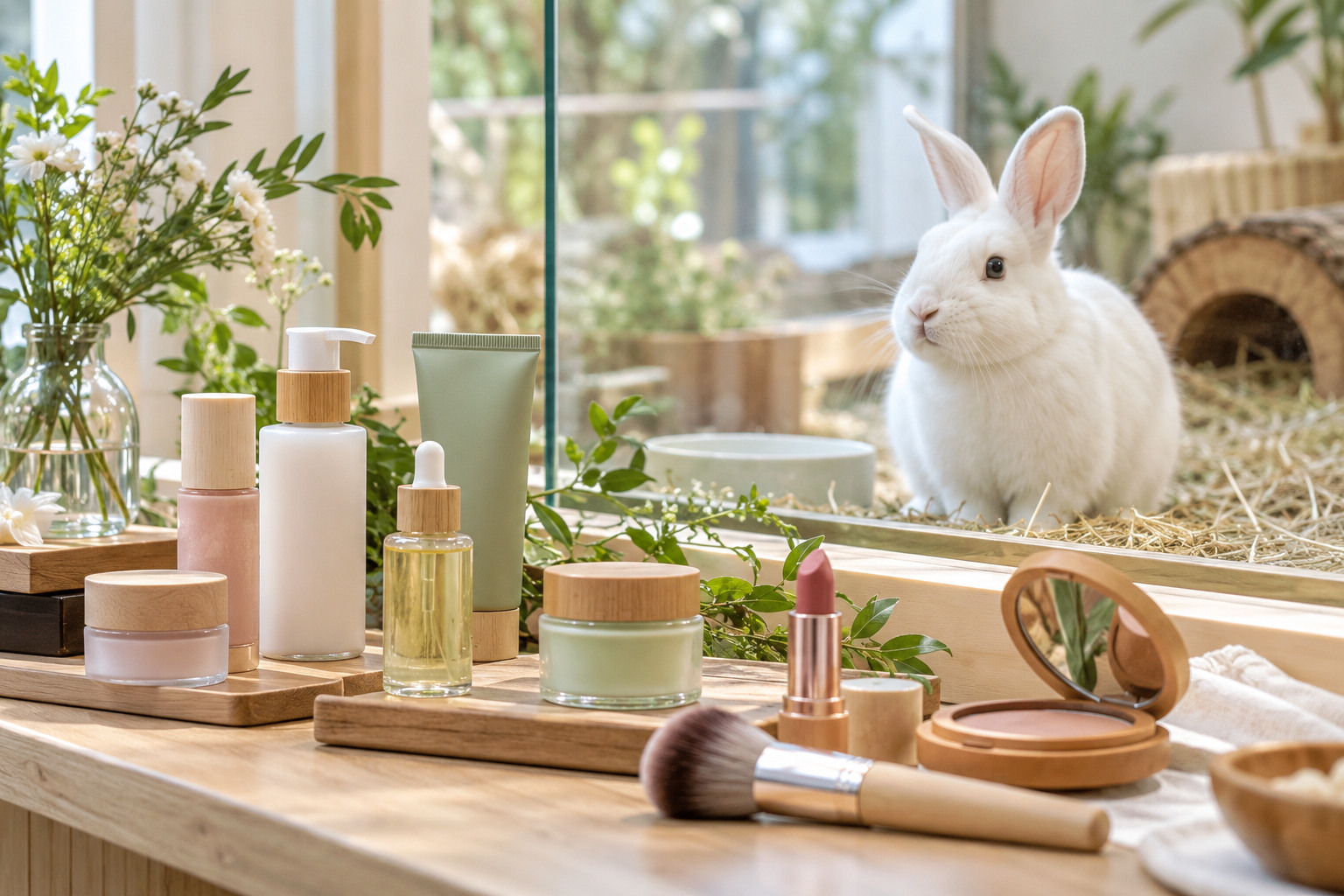
What the Illinois law actually covers
The statute is best understood as a sales restriction, not a blanket prohibition on every animal experiment conducted in Illinois. Its focus is whether a cosmetic sold in the state was developed or manufactured using covered tests commissioned by a manufacturer or supplier after the law’s cutoff date.
The law also contains exceptions. Testing may still fall outside the prohibition when it is required by a federal or state regulatory authority, or in certain circumstances by a foreign regulator. Other conditions address ingredients used for noncosmetic purposes and situations in which no accepted alternative method is available. Tests conducted before the law took effect are also treated differently.
That detail matters because a simple claim that Illinois “banned animal testing” would overstate the law. The state did not eliminate every possible test involving animals, and the statute does not guarantee that every cosmetic on an Illinois shelf has never been associated with animal testing anywhere in its supply chain.
Penalties and enforcement
The Illinois General Assembly’s bill history says a violation can bring an initial fine of $5,000 for the first day and another $1,000 for every day the violation continues. Enforcement may be brought by the State’s Attorney in the county where the violation occurred.
Illinois later adopted a separate law in 2023 restricting toxicological experiments on dogs and cats. That measure, the Protection of Dogs and Cats from Unnecessary Testing Act, includes exemptions for specified medical and federally required research. It should not be confused with the earlier cosmetics-sales provision.
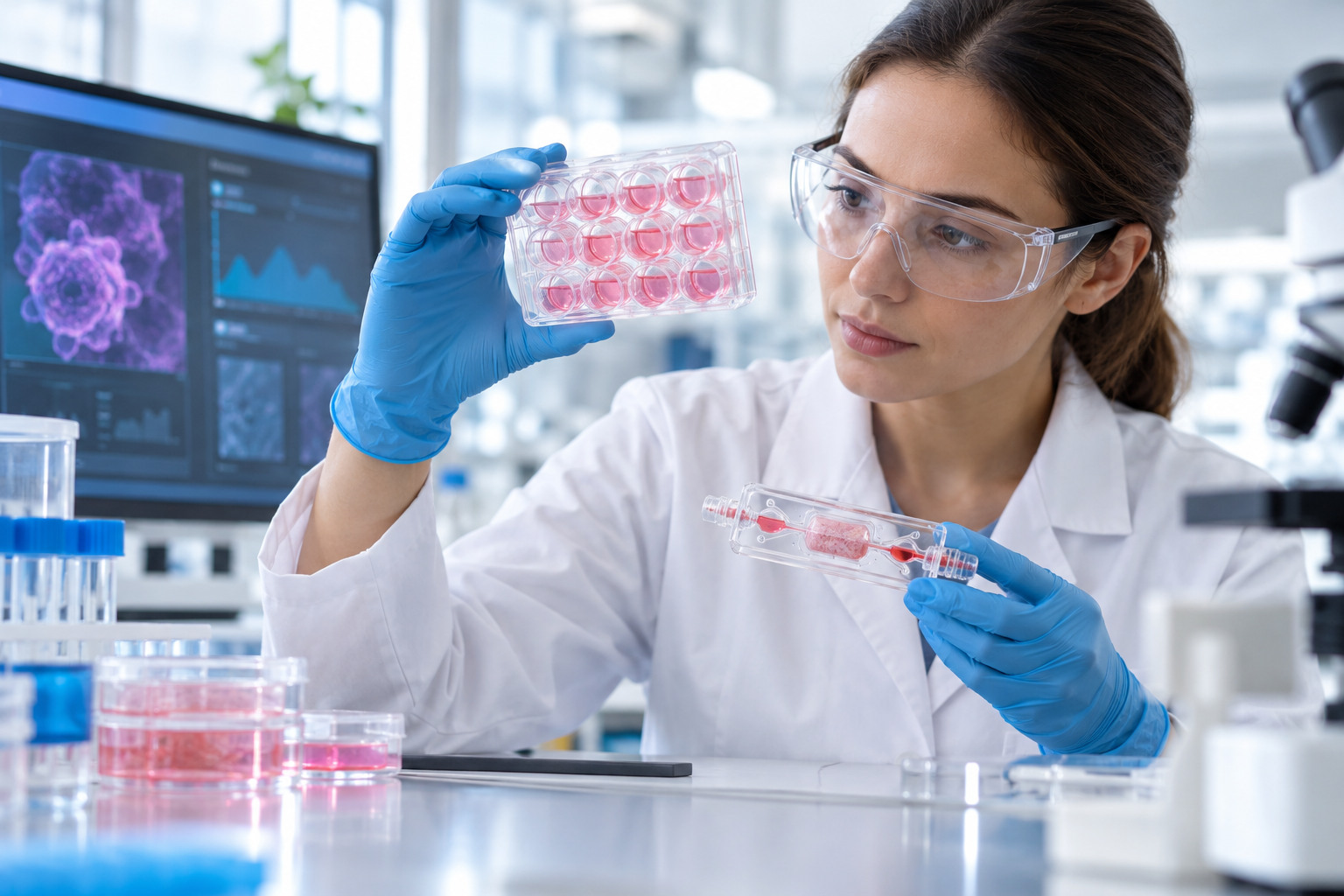
Why alternatives matter
Cosmetics safety can increasingly be assessed with approaches that do not rely on traditional animal tests. These include in vitro systems using human cells, reconstructed tissue models, computational methods and other validated strategies designed for particular safety questions.
No single method answers every toxicology question, so regulation depends on whether an alternative is reliable and relevant for the intended purpose. Still, laws like Illinois’ give manufacturers a strong reason to plan product development around non-animal methods rather than treating animal tests as a default.
The accurate takeaway is meaningful but narrower than the viral headline: Illinois took action in 2019 to keep many newly animal-tested cosmetics from being sold in the state. The rule has been in place for years, contains defined exceptions and forms part of a broader shift toward safety science that can reduce animal suffering.
Sources
- Illinois Compiled Statutes: 410 ILCS 620/17.2
- Illinois General Assembly: SB 241 bill history
- Illinois Public Act 103-0238
