
Jane Goodall’s blunt warning about trophy hunting continues to echo through the global conservation debate: “Trophy hunting is utterly cruel, utterly unnecessary and utterly disastrous from a conservation perspective.”
The full statement, quoted in the UK Parliament in March 2024, argued that trophy hunting causes animal suffering for recreation rather than meeting a material human need. It is consistent with the public position of the Jane Goodall Institute, which opposes trophy hunting on ethical, ecological and economic grounds.
Why Goodall rejected the conservation argument
The Jane Goodall Institute says trophy hunters often seek mature, prime animals—the individuals whose removal can disrupt social groups and affect the genes passed to future generations. The institute also argues that poorly executed hunts can prolong suffering and that only a small share of the money generated may reach conservation programs or nearby communities.
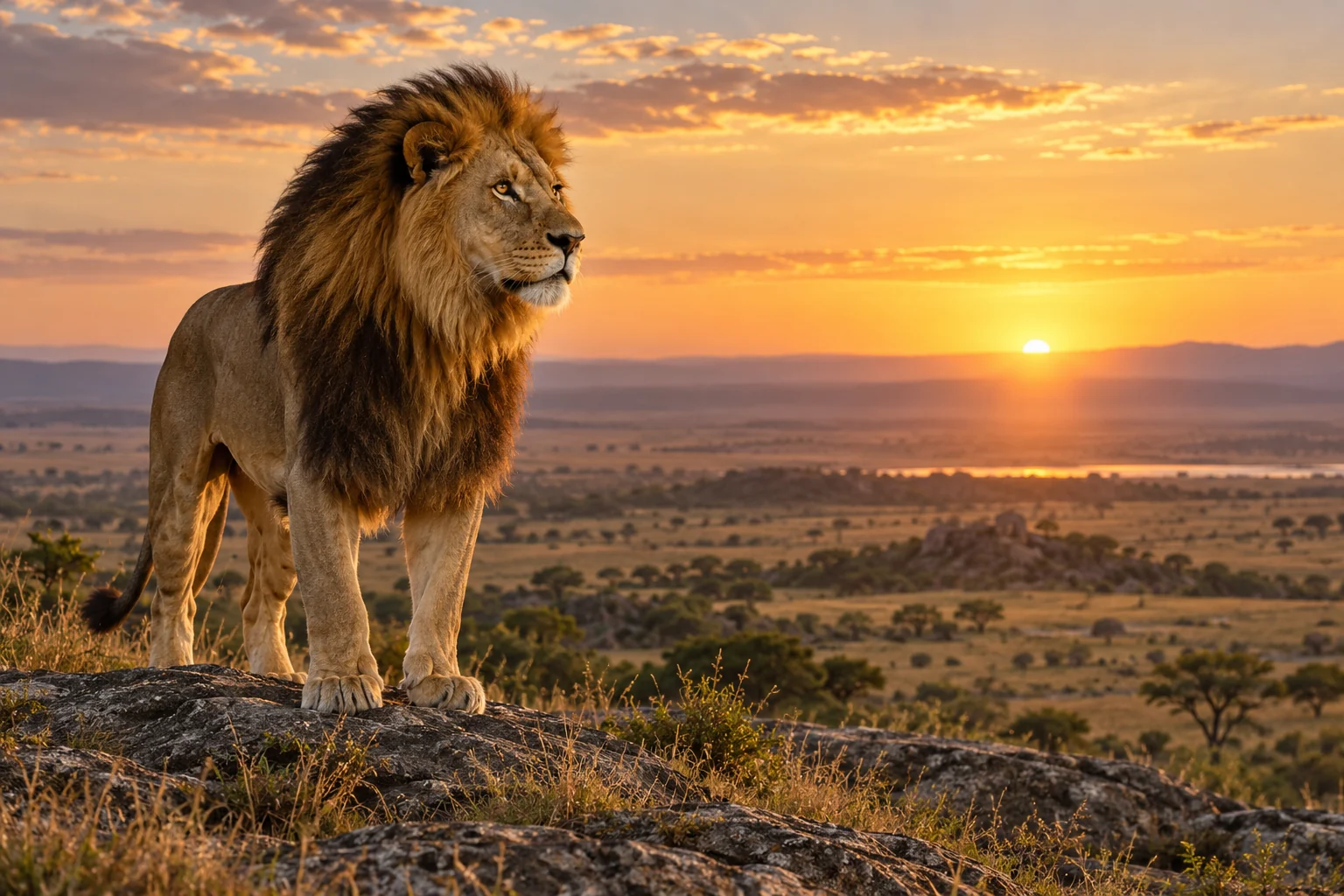
Goodall repeatedly used the killing of Cecil the lion in Zimbabwe in 2015 to explain those concerns. Cecil was a well-known, radio-collared lion studied by Oxford University researchers. According to the institute’s account, he was lured outside a protected area, wounded with an arrow and killed many hours later. Goodall also pointed to the wider consequences for the pride after the loss of a dominant male.
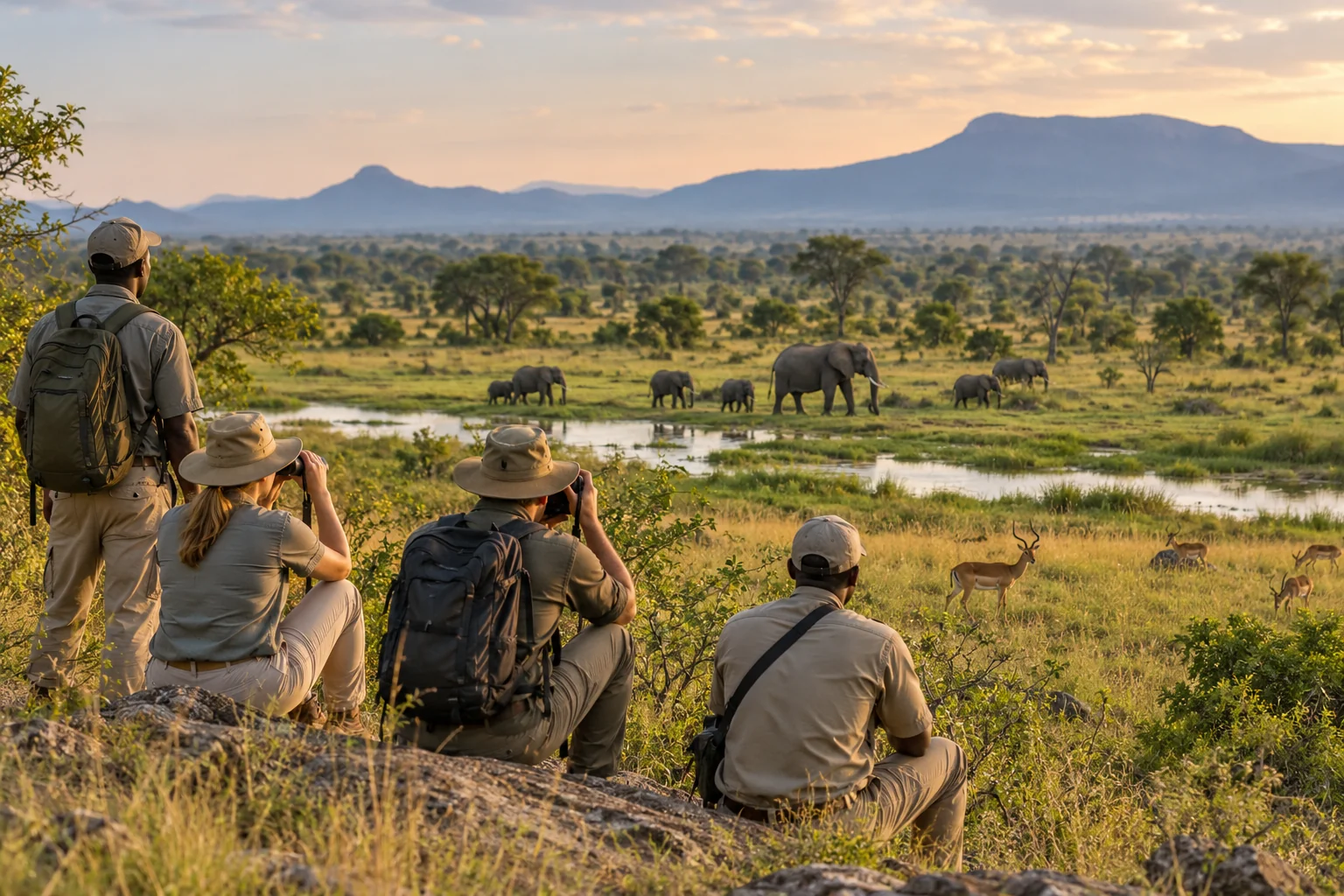
The institute’s preferred alternative is conservation tourism: wildlife viewing designed to protect habitat, support local livelihoods and leave animals alive. Its policy says ethical tourism can generate economic value without selling the right to kill a wild animal.
The conservation dispute is not settled
Goodall’s moral opposition is clear, but the policy debate is more complicated than a single quotation. Some wildlife managers, researchers and southern African governments argue that tightly regulated hunting can finance habitat protection, anti-poaching work and community programs in remote places where photographic tourism is limited.
A 2024 UK parliamentary debate recorded both sides. Supporters of an import ban cited animal welfare, genetic disruption and concerns about where hunting revenue goes. Opponents cited an earlier International Union for Conservation of Nature position that legal, well-regulated programs can sometimes benefit conservation and Indigenous or local livelihoods. Representatives of several African countries have also warned that outside bans can remove income without providing a replacement.
That distinction matters. Trophy hunting is not the same as illegal poaching, subsistence hunting or the removal of a specific animal posing an immediate threat. Its defining feature is that a hunter pays to kill an animal and retain all or part of it as a trophy.
A question of what conservation should reward
The strongest version of Goodall’s argument asks what kind of relationship with wildlife conservation should encourage. If a lion, elephant or giraffe is worth more alive—ecologically, culturally and economically—then habitat protection, community-led conservation and responsible tourism should receive greater investment.
But ending trophy hunting without replacing revenue or addressing human-wildlife conflict can shift costs onto people living closest to dangerous animals. Any durable policy must therefore protect individual animals while also respecting local knowledge, land rights, safety and livelihoods.
Goodall’s words endure because they force the issue into plain language: wildlife should not have to die for human status or entertainment. The challenge is turning that principle into conservation systems that work for animals, ecosystems and the people who share the landscape.
Sources
- Jane Goodall Institute Global: Trophy hunting policy
- Jane Goodall Institute Global: Cecil Week and policy statement
- UK Parliament: Hunting Trophies (Import Prohibition) Bill debate, March 22, 2024
