
A widely shared claim about Leonardo DiCaprio helping elephants is true, but the timing matters: the Leonardo DiCaprio Foundation announced a $1 million grant to the Elephant Crisis Fund on May 12, 2014. It is not a new 2026 donation.
The Elephant Crisis Fund was created by Save the Elephants and the Wildlife Conservation Network, with support from the Leonardo DiCaprio Foundation. The 2014 grant was intended to help fund urgent work against elephant poaching, ivory trafficking and consumer demand for ivory.
What the 2014 grant supported
Wildlife Conservation Network said the grant was announced during a benefit in Malibu. Together with other contributions made around the event, more than $2 million was raised. The organization said the money would go to projects working on three connected parts of the ivory crisis: stopping poaching in the field, disrupting trafficking networks and reducing demand for ivory.
That structure is important. Protecting elephants is not only a matter of placing rangers near herds. Conservation groups also work with investigators, governments and communities because illegal ivory moves through a chain that begins with an elephant being killed and can cross several borders before a tusk or carved product reaches a buyer.
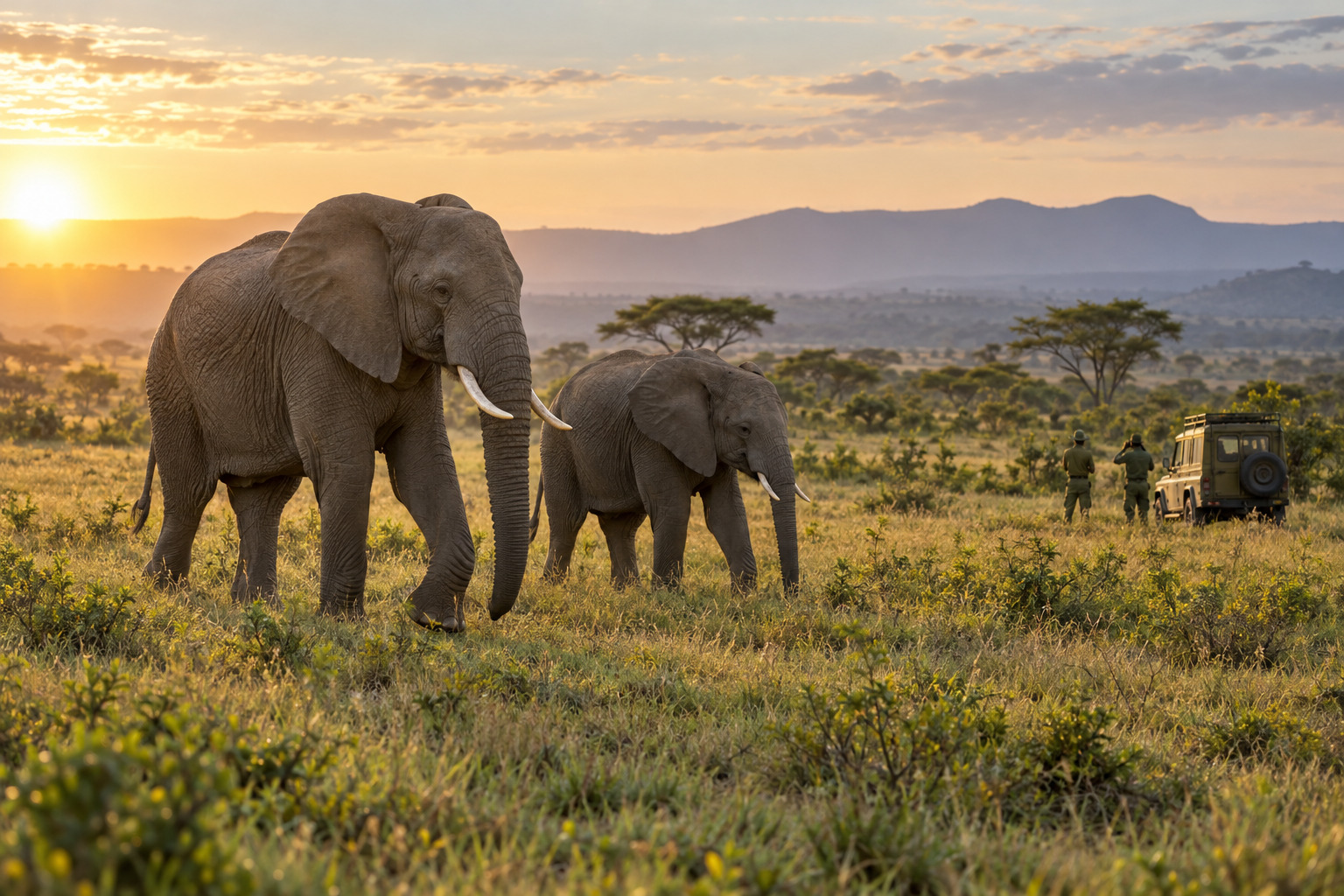
An early investment in the Elephant Crisis Fund
The foundation’s relationship with the fund was broader than one check. The Elephant Crisis Fund says the Leonardo DiCaprio Foundation—now known as Re:wild—helped launch the initiative in 2013. A 2023 fund report states that the foundation provided more than $5.4 million during the fund’s early years.
In July 2016, Wildlife Conservation Network announced another $1 million commitment from the foundation. At that point, the organization said the foundation’s support had helped the fund back more than 100 projects run by 40 organizations across Africa and Asia. Those later contributions should not be confused with the separate $1 million grant announced in May 2014.
What the Elephant Crisis Fund does today
The fund remains active. Its current mission includes ending the ivory crisis, promoting human-elephant coexistence and protecting elephant landscapes. Wildlife Conservation Network says donations designated for the fund are deployed directly to field programs selected for urgent and measurable impact.
The challenges have also evolved. Illegal killing for tusks and the trafficking and sale of ivory remain serious threats, while elephants increasingly face habitat pressure and conflict with people over land and resources. Effective protection therefore involves law enforcement, habitat work and practical measures that help people and elephants live in the same landscapes.
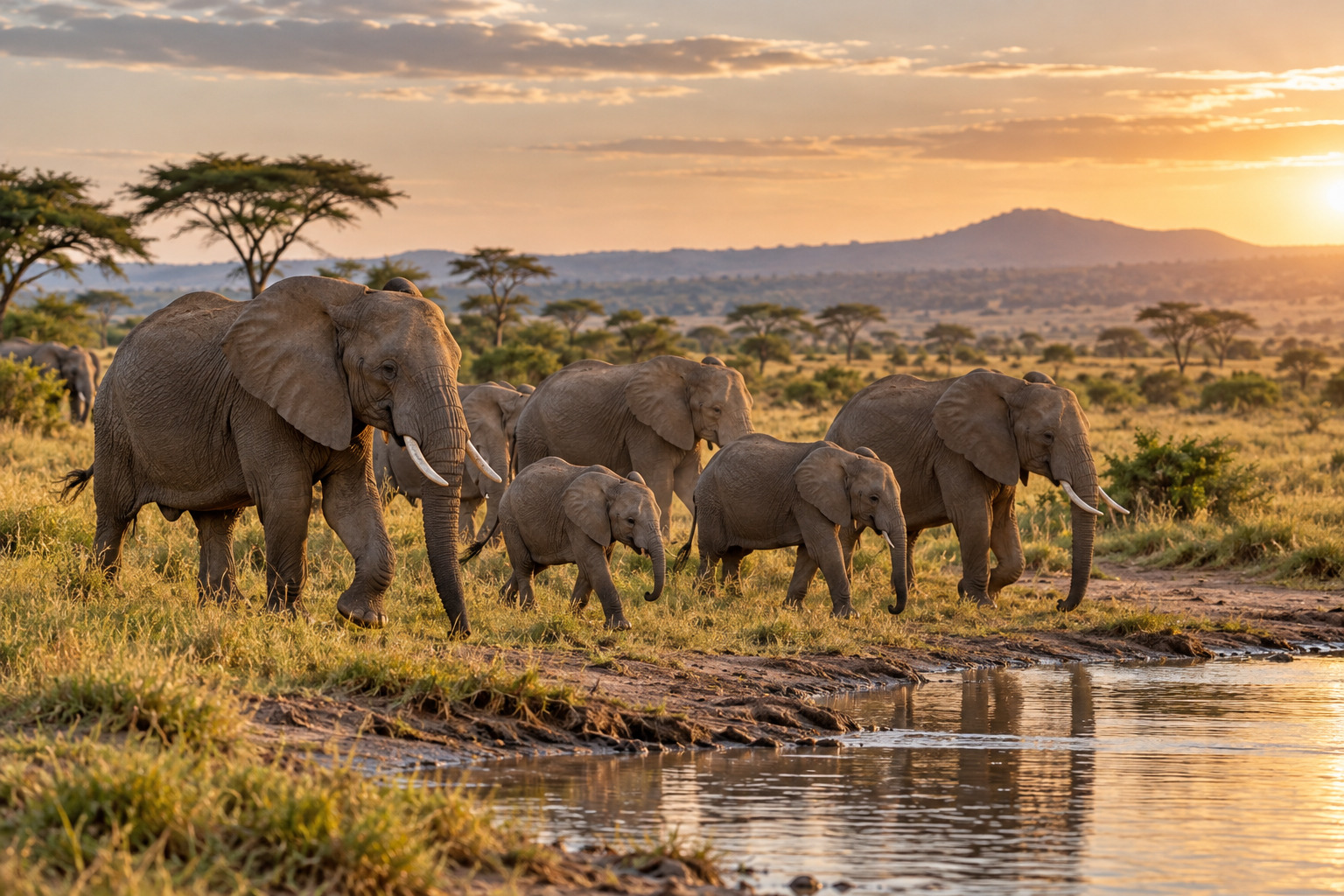
Why the date matters
Old conservation announcements often return to social media without their original publication date. The underlying event may be genuine, but removing the date can make a historic action appear to have just happened. In this case, the verified record is clear: the featured $1 million grant was announced in 2014.
That does not make the support insignificant. The grant helped a conservation fund during its formative period and brought additional attention to the poaching and ivory-trafficking crisis. The accurate way to share the story is to recognize it as part of a longer record of elephant conservation, not as breaking news.
Elephants use their tusks for practical behaviors such as digging, stripping bark and moving objects. Their tusks are part of their bodies, not decorations or trophies. Protecting elephants requires reducing the incentives to kill them, enforcing wildlife laws and preserving landscapes where family groups can survive.
Sources
- Wildlife Conservation Network: 2014 grant announcement
- Wildlife Conservation Network: additional 2016 commitment
- Elephant Crisis Fund: history and FAQ
- Elephant Crisis Fund: current mission
- Elephant Crisis Fund 2023 report
