
Nevada’s restriction on selling certain animal-tested cosmetics is real, but it is not a new 2026 policy. Senate Bill 197 was approved in 2019 under Governor Steve Sisolak and took effect on January 1, 2020. The measure is now codified at Nevada Revised Statutes 598.993.
The law generally bars a manufacturer from importing for profit, selling or offering for sale in Nevada a cosmetic when the manufacturer knew, or reasonably should have known, that animal testing was conducted or contracted by the manufacturer or one of its suppliers on or after January 1, 2020.
What Nevada’s law covers
Nevada defines animal testing for this provision as applying a finished cosmetic or an ingredient to the skin, eyes or another body part of a live nonhuman vertebrate. The statute’s definition of a cosmetic extends beyond makeup. It includes products applied to the human body for cleansing, beautifying or changing appearance, specifically including personal-hygiene items such as deodorant, shampoo and conditioner.
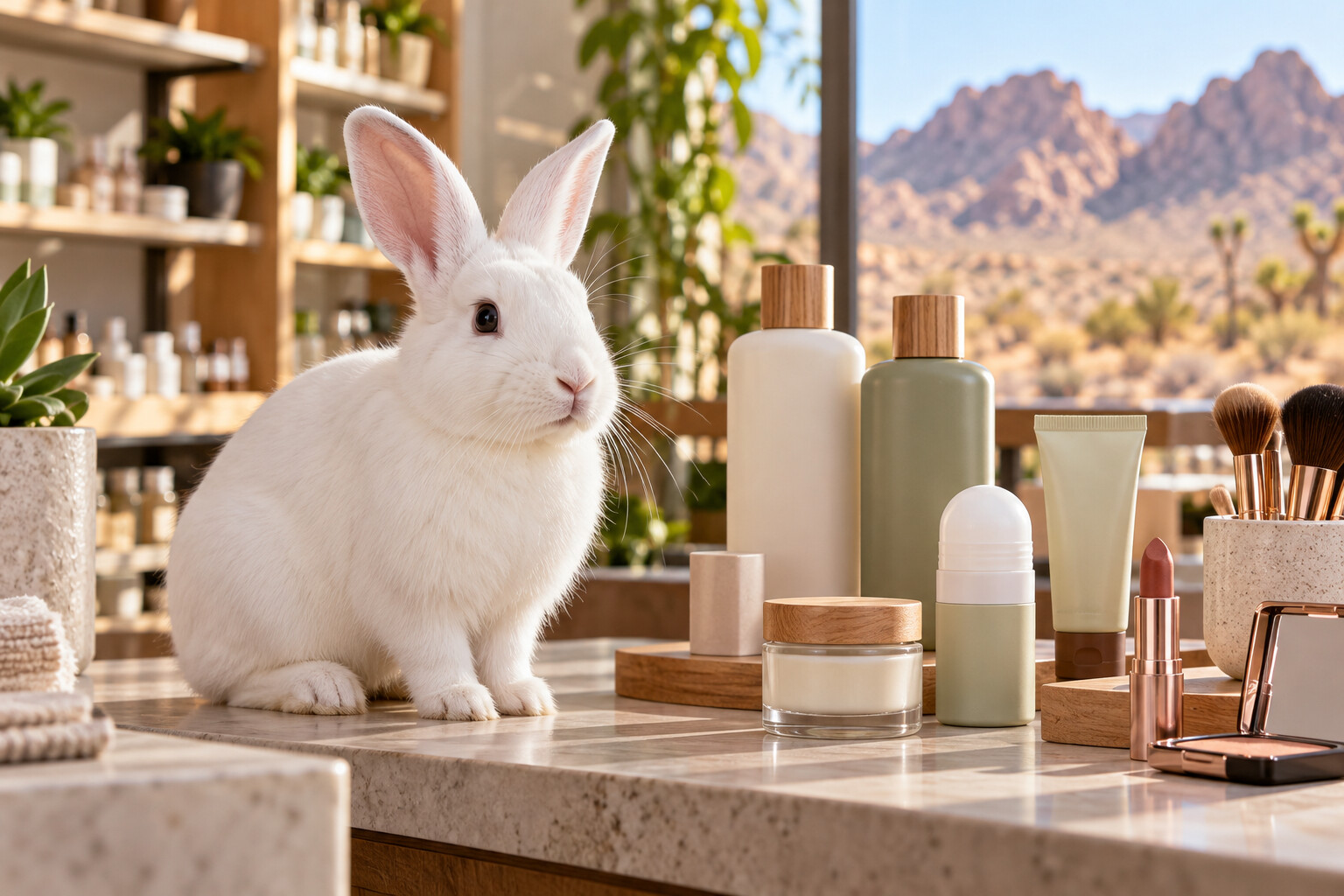
SB 197 made Nevada an early state adopter of a sales restriction modeled on California’s cruelty-free cosmetics law. It was enacted in 2019, and Nevada legislators provided a short sell-through period for inventory that would otherwise violate the new rule: qualifying stock already on hand when the law began could be sold through June 30, 2020.
A violation is treated as a deceptive trade practice under Nevada law. That gives the measure a consumer-protection dimension as well as an animal-welfare purpose.
The ban has important limits
The statute does not mean that every product with any historical connection to animal testing is prohibited, and it does not amount to a complete ban on all animal testing. The key cutoff concerns testing conducted on or after January 1, 2020, and the law contains several exceptions.
Among them are narrowly defined circumstances involving testing required by a federal or state regulatory authority, testing required by a foreign authority under specified conditions, certain drug-law requirements and testing conducted for a purpose unrelated to cosmetics. The law also permits manufacturers to rely on animal-testing evidence in some circumstances without automatically violating the sales restriction.
Those qualifications are important. Describing Nevada as having “ended cosmetic animal testing” would go beyond what the statute says. The law regulates the Nevada market for covered cosmetics and creates exceptions; it does not prohibit every test in every jurisdiction.
Why non-animal methods matter
The broader movement behind laws like SB 197 argues that cosmetic safety can increasingly be assessed through approaches that do not use live animals. Depending on the safety question, researchers can use validated cell-based assays, reconstructed human tissue, computational models and organ-on-chip systems. Each method has its own scope, and regulators still evaluate whether an alternative is suitable for a particular endpoint.

Nevada’s law helped move cruelty-free cosmetics policy into the mainstream by linking animal welfare with what manufacturers may place on store shelves. It also encouraged companies selling in the state to understand how and when their products or ingredients were tested.
For shoppers, labels such as “cruelty-free” can still vary in meaning unless they are backed by a transparent company policy or independent certification. Consumers who want to avoid animal-tested products should look for current testing policies, supply-chain disclosures and credible certification rather than relying only on packaging language.
The accurate takeaway is therefore both meaningful and limited: Nevada has maintained a statutory restriction on sales of certain newly animal-tested cosmetics since January 1, 2020. It was a significant animal-welfare measure when adopted, but it should be understood as an existing law with defined exceptions—not as a new ban announced in 2026.
Sources
