
New York law restricts the manufacture and sale of cosmetics that were tested on animals after the law’s effective date. The policy is an important animal-welfare measure, but it is not a new announcement in 2026: Governor Kathy Hochul signed the New York Cruelty-Free Cosmetics Act in 2022, and it took effect on January 1, 2023.
The law is now codified in Section 399-aaaaa of New York’s General Business Law. It generally bars manufacturers from making or selling cosmetics in the state when the final product or an ingredient underwent cosmetic animal testing after the effective date.
What the New York law covers
The statute defines cosmetic animal testing as exposing a live nonhuman vertebrate to a cosmetic or cosmetic ingredient to evaluate safety. Its purpose is to prevent new animal testing from being used to support cosmetics sold in New York.
The law does not mean every cosmetic associated with any historical animal test is automatically prohibited. It focuses on testing conducted after the effective date and contains exceptions, including circumstances involving requirements imposed by federal or state regulators and certain testing conducted for purposes unrelated to cosmetics.
Why the date and exceptions matter
Calling this a “new” ban in 2026 would be misleading. The New York Legislature passed the measure in 2022, Governor Hochul signed it that year, and the operative date was January 1, 2023. Current law continues to apply, but the policy itself is now several years old.
The statute also protects some information from being reused to justify repeated testing. When companies rely on animal-testing data under an exception, the law limits how that evidence can be used for cosmetic purposes. Enforcement can include civil penalties, with the attorney general authorized to investigate alleged violations.
Alternatives to animal testing
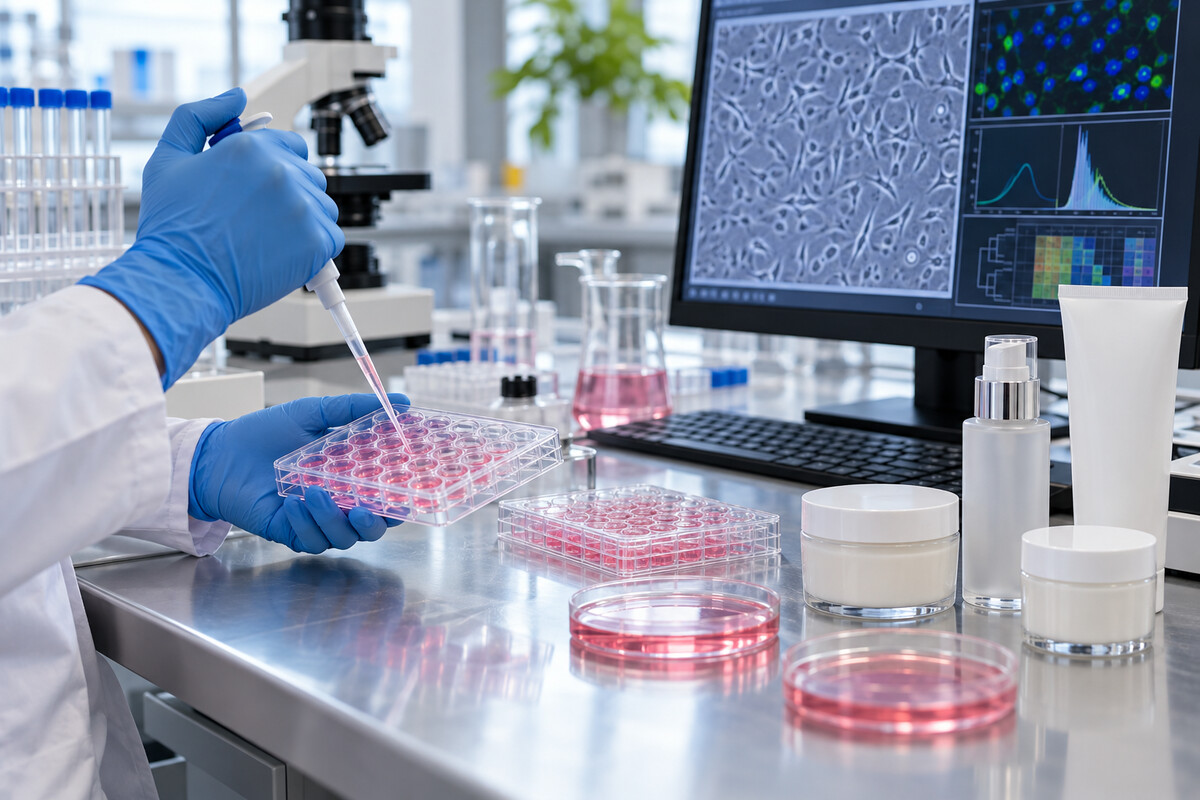
Cosmetics safety can be evaluated through a growing range of non-animal approaches, including human-cell and tissue models, computer modeling and careful use of existing ingredient data. No single method replaces every possible test in every regulatory setting, but these tools can reduce the need to expose animals to substances for products such as makeup, skincare and personal-care items.
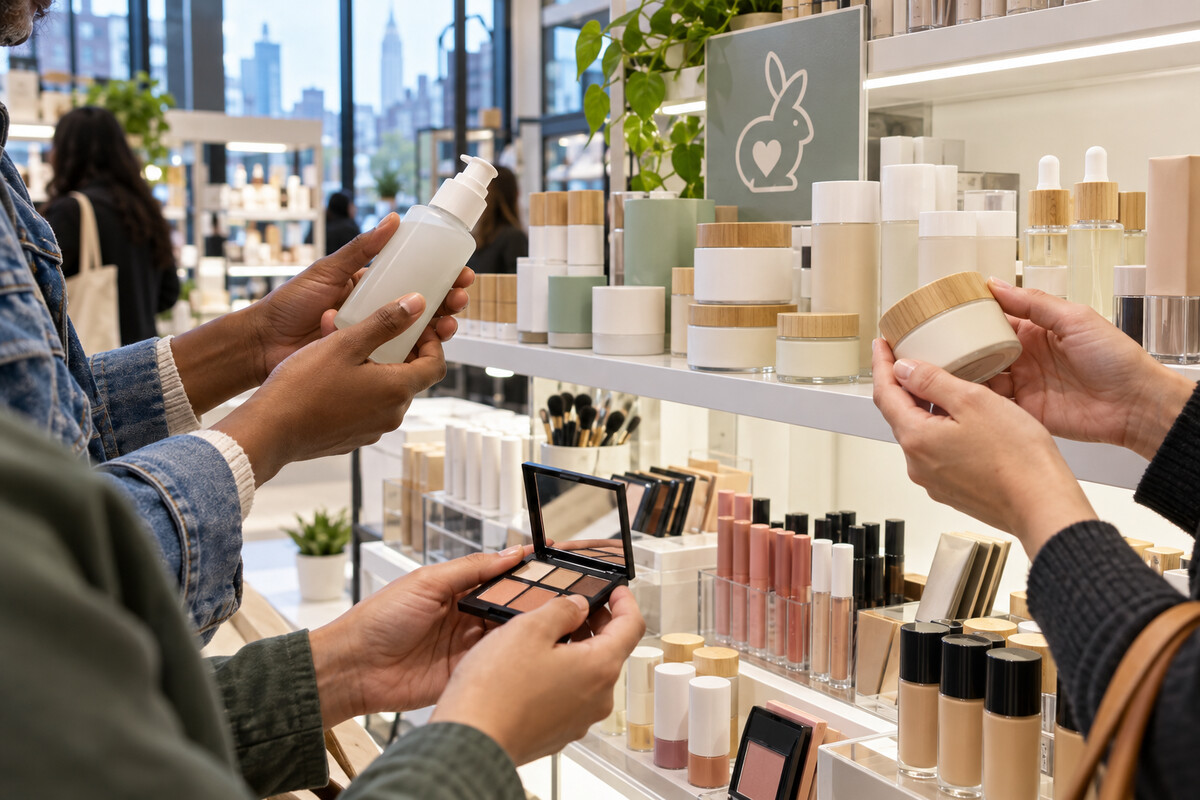
The shift also reflects consumer demand. Many shoppers now look for products developed without new animal testing, and companies increasingly design safety programs around human-relevant methods and established ingredient histories.
A meaningful protection, accurately described
New York’s policy is a meaningful step away from using animals to support new cosmetic testing. It does not erase every historical test or create an exception-free prohibition, and it should not be presented as a law signed this year.
The accurate takeaway is straightforward: since January 1, 2023, New York has restricted cosmetics manufactured or sold using animal testing conducted after that date, subject to the law’s stated exceptions. That legal change added New York to the broader movement toward cruelty-free cosmetics and more human-relevant safety methods.
Sources
- New York State Senate — General Business Law § 399-aaaaa
- New York State Legislature — A.5653-B, Cruelty-Free Cosmetics Act
- New York State Assembly — bill history and January 1, 2023 effective date
Image disclosure: The featured image and both supporting images are editorial reconstructions created to illustrate the subject. They do not depict a specific test, identified laboratory, store, product or animal.
