
Animal-cruelty cases can involve far more than an officer finding an injured pet. Investigators may need to interpret veterinary evidence, document living conditions, trace ownership, identify organized animal fighting and arrange safe care for animals seized during a case. That complexity supports a strong case for specialized expertise—but it does not mean every police department needs to build the same kind of standalone unit.
Why these investigations require special skills
The U.S. Department of Justice has trained investigators on animal-welfare statutes, search warrants, evidence collection, undercover techniques, animal seizure and post-seizure care. Those subjects show why a cruelty complaint can quickly become a technical criminal investigation involving police, veterinarians, animal-control officers, shelters and prosecutors.
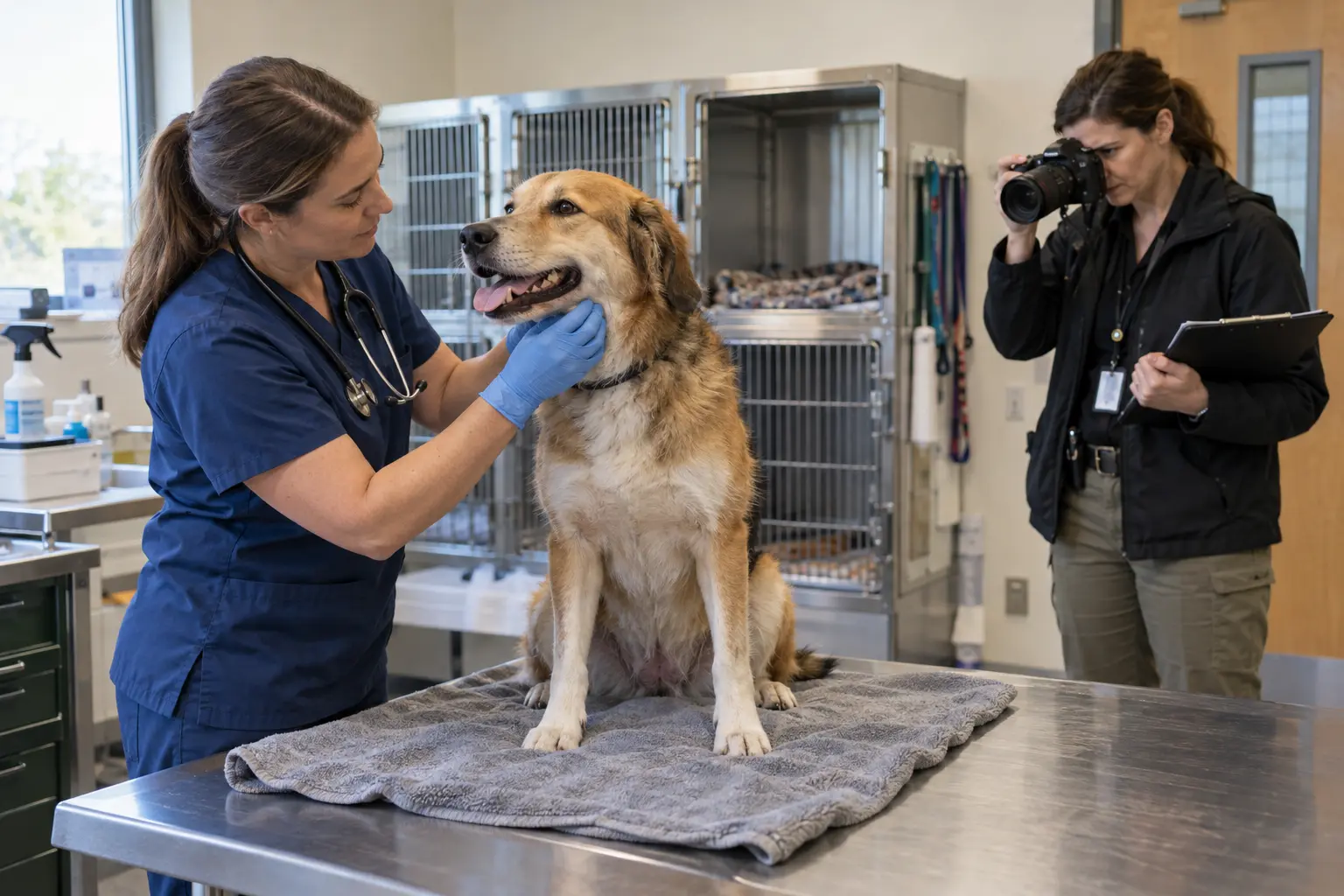
Veterinary records and forensic examinations can help distinguish an accident or illness from neglect or intentional harm. Photographs, timelines, witness statements and documentation of food, water, shelter and confinement conditions may all affect whether a case can be prosecuted.
New York City offers one specialized model
New York City created the NYPD Animal Cruelty Investigation Squad after the police department and ASPCA began a citywide partnership in 2014. The NYPD leads law-enforcement responses and investigations, while the ASPCA provides veterinary forensic work, medical and behavioral care, housing, placement, legal support and officer training.
According to the ASPCA, nearly 30,000 NYPD officers had received specialized training through the partnership by 2024. That approach combines a dedicated investigative squad with broader training for officers across the city rather than limiting knowledge to one small team.
A dedicated unit is not the only workable option
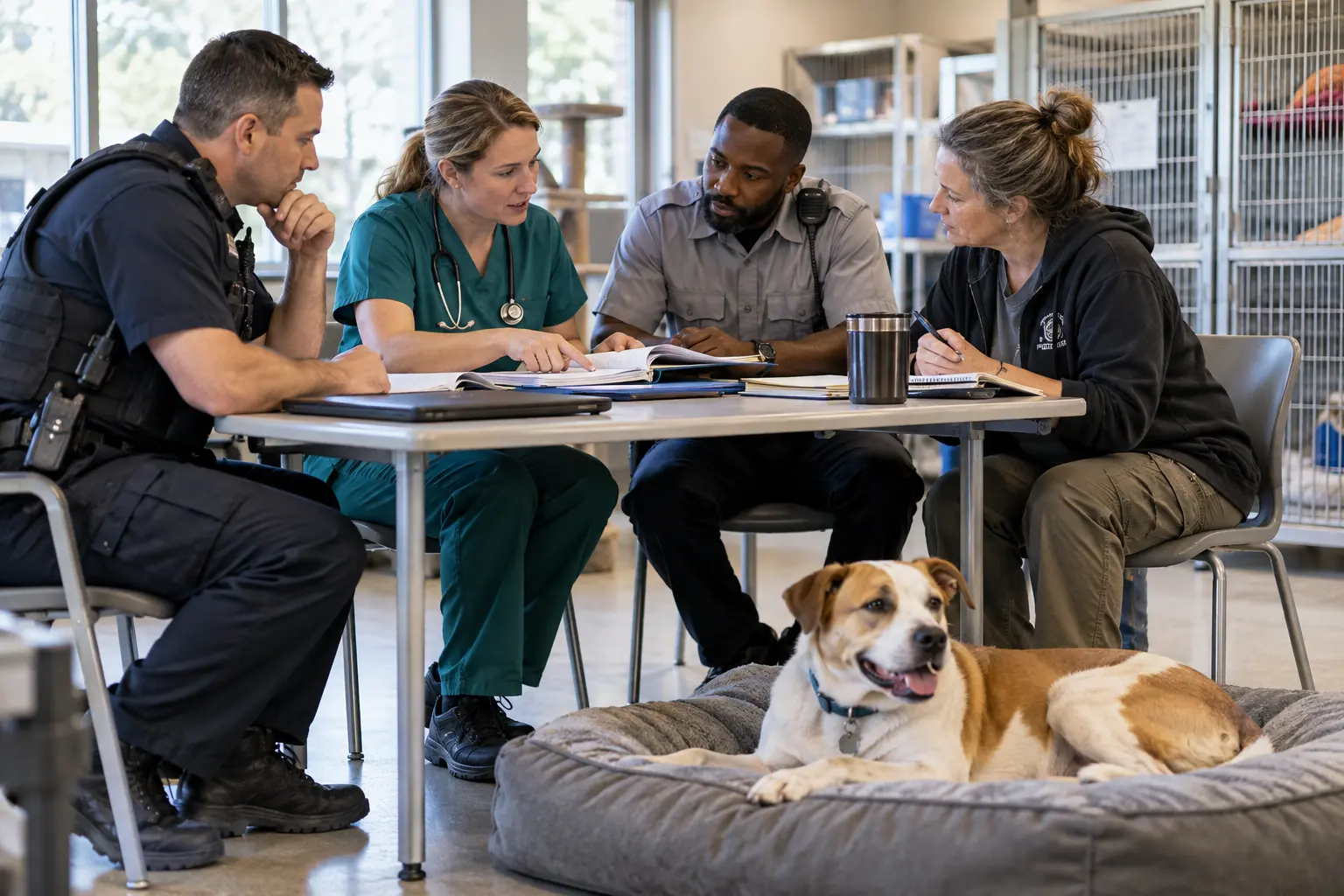
Large departments may be able to support full-time specialists. Smaller jurisdictions may have too few cases or too little funding for a separate unit. They can still improve investigations by designating trained officers, building regional task forces, creating written evidence protocols and arranging access to veterinary and prosecutorial expertise.
The Justice Department has also used multi-agency training and task-force models for animal fighting and other welfare crimes. In 2026, it announced a strategy that included specialized training, a multi-agency committee, an enforcement “Tiger Team” and grants for animal-welfare groups and state and local law enforcement.
Better data and training can strengthen accountability
The FBI began collecting animal-cruelty offenses through the National Incident-Based Reporting System in 2016, covering gross neglect, torture, organized abuse and sexual abuse. Consistent reporting helps agencies understand patterns, allocate resources and treat animal cruelty as a recordable crime rather than an informal complaint.
The practical goal should be capability, not a one-size-fits-all organizational chart. Every community needs a clear way to report suspected cruelty, trained responders who know how to preserve evidence, access to veterinary expertise and a plan for the animals’ immediate and long-term care. A dedicated unit can deliver that capacity in a large city; a trained regional partnership may do it better in a smaller community.
Sources
- ASPCA: ten years of the NYPD–ASPCA partnership
- ASPCA: NYPD Animal Cruelty Investigation Squad and officer training
- U.S. Department of Justice: animal-welfare criminal-investigation training
- U.S. Department of Justice: 2026 animal-welfare enforcement strategy
- FBI: tracking animal cruelty through NIBRS
