
Debates about halal and kosher slaughter are often reduced to a single question: should religious slaughter be banned to protect animals? The evidence and the law are more complicated. Halal and kosher practices are not identical, national rules differ, and the central welfare issue is usually whether an animal is effectively stunned before its neck is cut.
Stunning is intended to make an animal unconscious and insensible to pain before bleeding begins. The European Food Safety Authority says methods that cause unconsciousness and death immediately or in sequence should be preferred wherever possible to avoid pain and minimize suffering. It also warns that animals slaughtered without prior stunning must be checked carefully for signs of consciousness before further handling.
Halal and kosher slaughter are not the same
Halal slaughter can include stunning. Some Muslim certification bodies accept reversible stunning—an intervention designed to leave the animal alive if the slaughter cut does not follow. In Britain, the Food Standards Agency has a protocol through which electrical head-only stunning of sheep and goats can be assessed with an approved religious body for halal compatibility.
Kosher shechita, by contrast, is performed without pre-stunning. British government guidance recognizes an exemption from the usual stunning requirement for halal or kosher slaughter conducted according to religious rites, while imposing rules on where and how non-stun slaughter may take place.
Lawmakers balance welfare and religious freedom
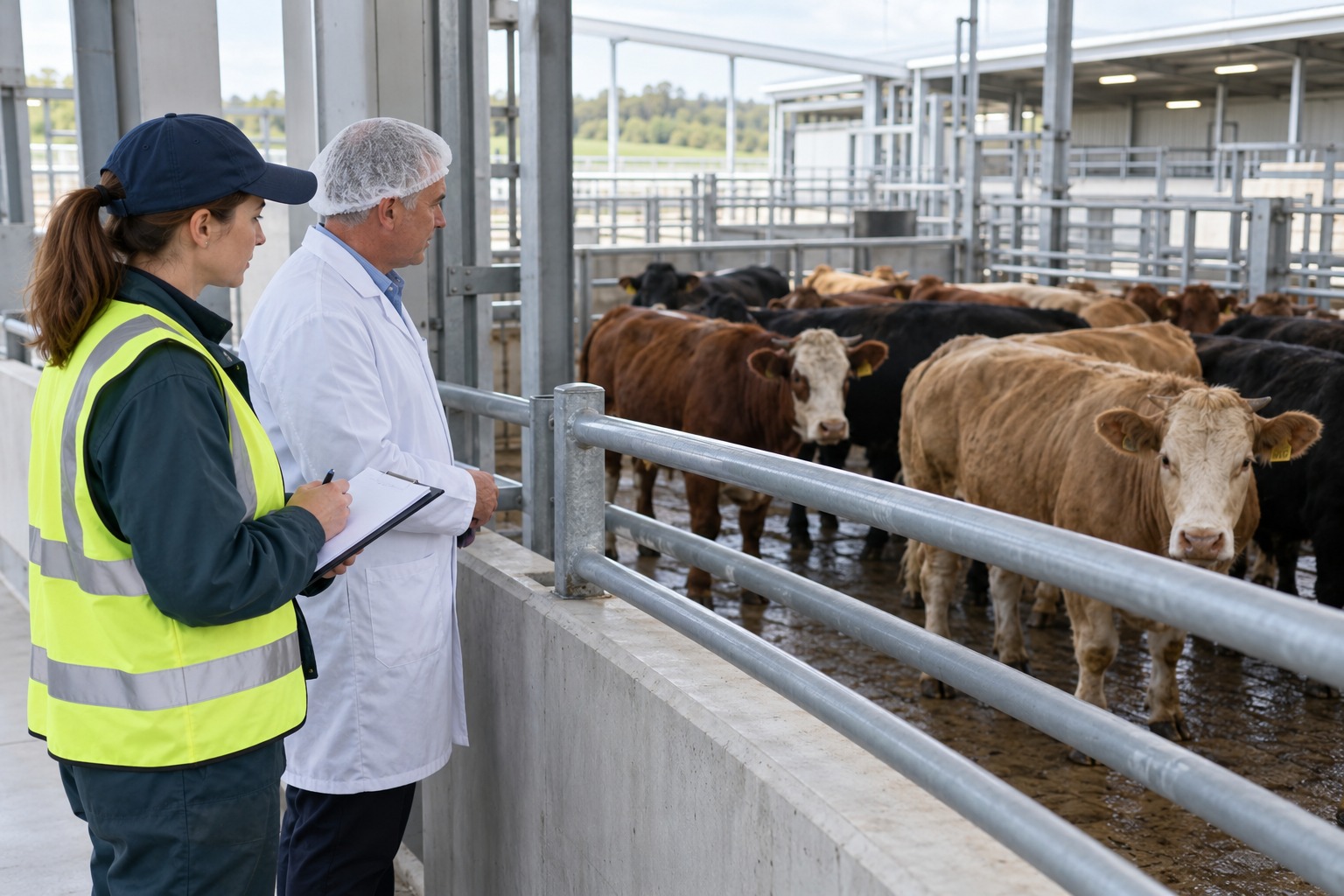
European Union law generally requires animals to be stunned before slaughter, but Regulation 1099/2009 allows an exception for methods prescribed by religious rites when slaughter takes place in an approved slaughterhouse. The regulation explicitly connects that exception to freedom of religion.
EU member states can adopt stricter protections. In 2020, the Court of Justice of the European Union ruled that a member state may require reversible stunning even for ritual slaughter, provided it respects the fundamental rights protected by the EU Charter. The court acknowledged that such a rule limits the way some Jewish and Muslim believers manifest their religion, while finding that animal welfare can justify a proportionate restriction.
A global ban is not a simple welfare solution
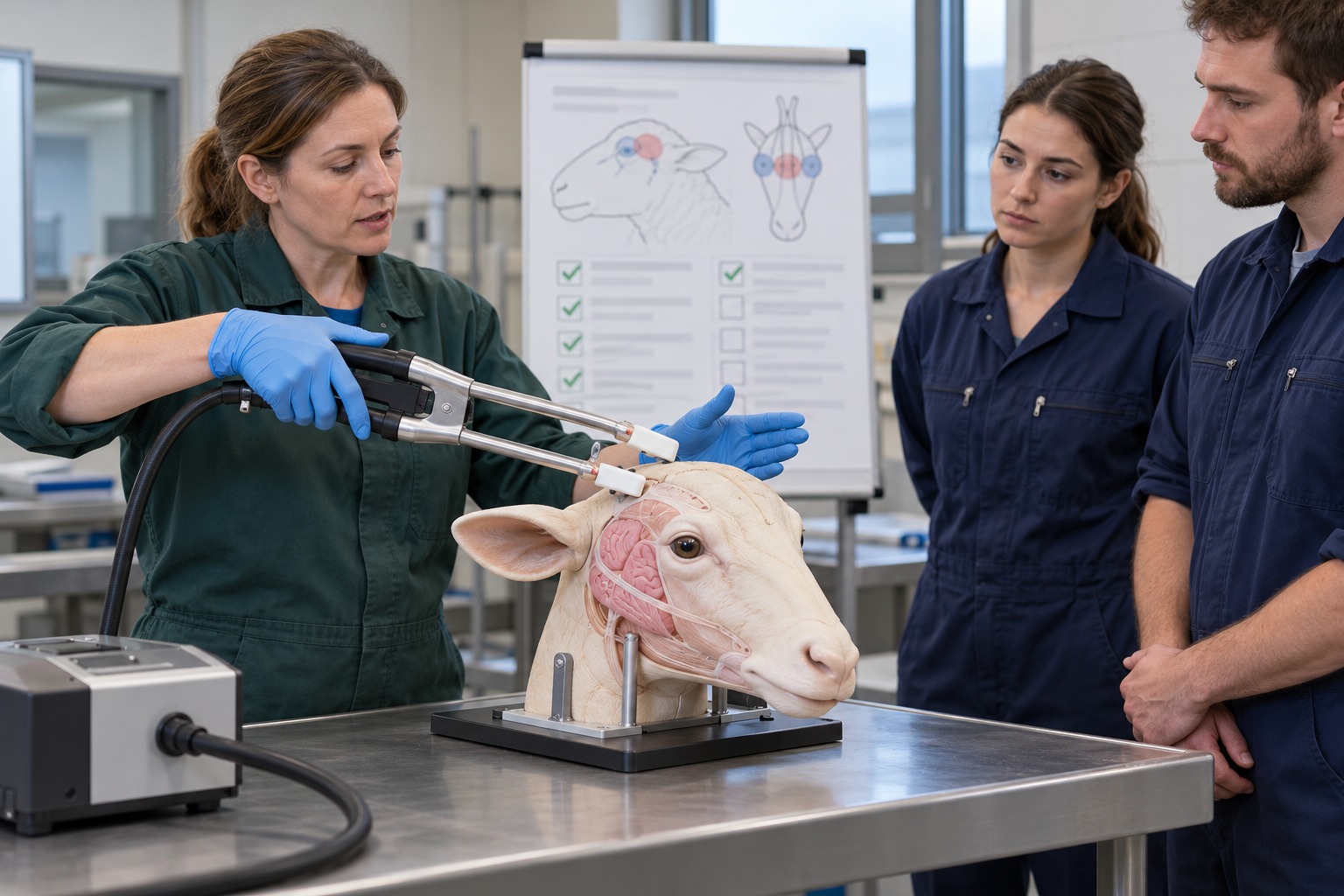
There is no worldwide rule governing religious slaughter, and a blanket ban would raise serious questions about religious freedom, food access and enforcement. It could also obscure welfare failures that occur in conventional slaughter, including poor handling, ineffective stunning and delays before bleeding.
A more precise policy debate asks which safeguards most reliably reduce suffering: effective pre-stunning, reversible stunning accepted by religious authorities, immediate back-up stunning when consciousness persists, trained workers, suitable restraint, veterinary oversight and transparent monitoring.
Animal welfare should not depend on labels alone. Whether meat is described as halal, kosher or conventional, regulators and slaughterhouse operators remain responsible for preventing avoidable fear, pain and distress. The strongest approach is one that protects animals while treating religious communities accurately and respectfully.
Sources
- European Food Safety Authority: Animal welfare at slaughter
- UK government guidance on halal and kosher slaughter
- EU Regulation 1099/2009
- Court of Justice of the EU ruling on reversible stunning
