
Ricky Gervais has repeatedly used his public platform to condemn bullfighting and the argument that a long history makes animal suffering acceptable. But the message circulating now is not a new 2026 statement or campaign. His documented criticism stretches back more than a decade.
In August 2015, after reports that a bull had fatally gored a participant during festivities in Spain, Gervais posted a video and several messages opposing bullfighting. He argued that an animal forced into a fight was defending itself and rejected the idea that tradition justified the spectacle.
A longstanding position, not a new announcement
Reporting from The Independent, El País, and the Evening Standard documented Gervais’s comments in 2015. He said he would rather people did not fight bulls and criticized those who tortured animals for entertainment. When supporters invoked tradition, he compared the argument with other historical practices society later rejected.
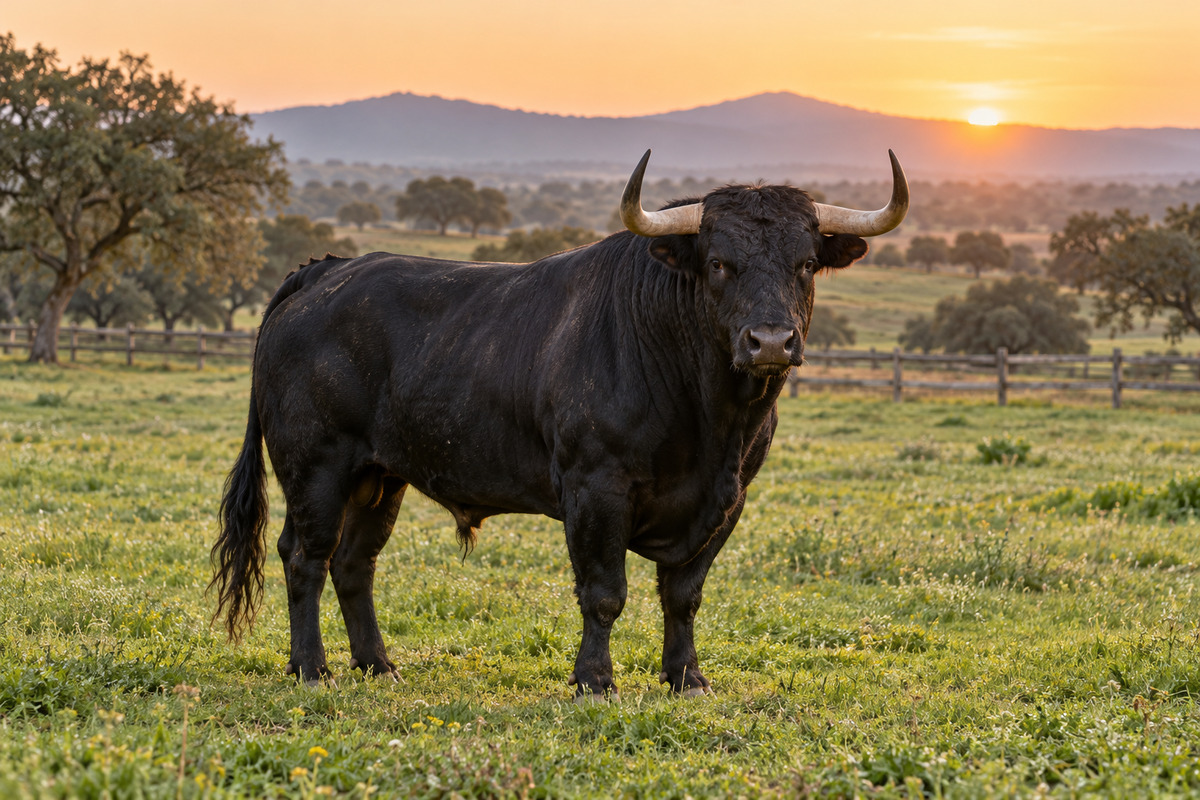
In August 2019, Gervais returned to the same theme in a widely shared social-media post. His broader statement began, “Animal cruelty is wrong,” then rejected tradition, religion, culture, and claims of human priority as excuses for cruelty. Spanish news coverage placed the post within his continuing opposition to bullfighting.
That chronology matters. The quote is authentic and consistent with his record, but presenting it as if he had just spoken out for the first time would be misleading.
What happens to a bull in the arena
Traditional Spanish-style bullfighting is not simply a contest between two equal participants. The bull is brought into an enclosed arena and weakened through a staged sequence before the matador attempts the final kill. Animal-welfare organizations oppose the practice because of the fear, injury, and prolonged suffering involved.
Supporters describe bullfighting as an art form and an element of cultural identity. Critics respond that cultural importance does not settle the ethical question. Gervais’s argument belongs to that second position: a custom can have a long history and still be judged by the harm it causes.
Spain’s legal position remains complicated
Bullfighting has not been prohibited nationwide in Spain. Spain’s Law 18/2013 recognizes tauromaquia—the broader tradition of bull-related spectacles—as cultural heritage deserving protection under applicable law.
Regional governments have tried to restrict or prohibit aspects of the practice. In 2016, Spain’s Constitutional Court struck down Catalonia’s ban on bullfights involving the death of the animal, ruling that the regional measure conflicted with the state’s authority to protect cultural heritage. The court also explained that national protection does not require bullfights to be held everywhere or at any minimum frequency.
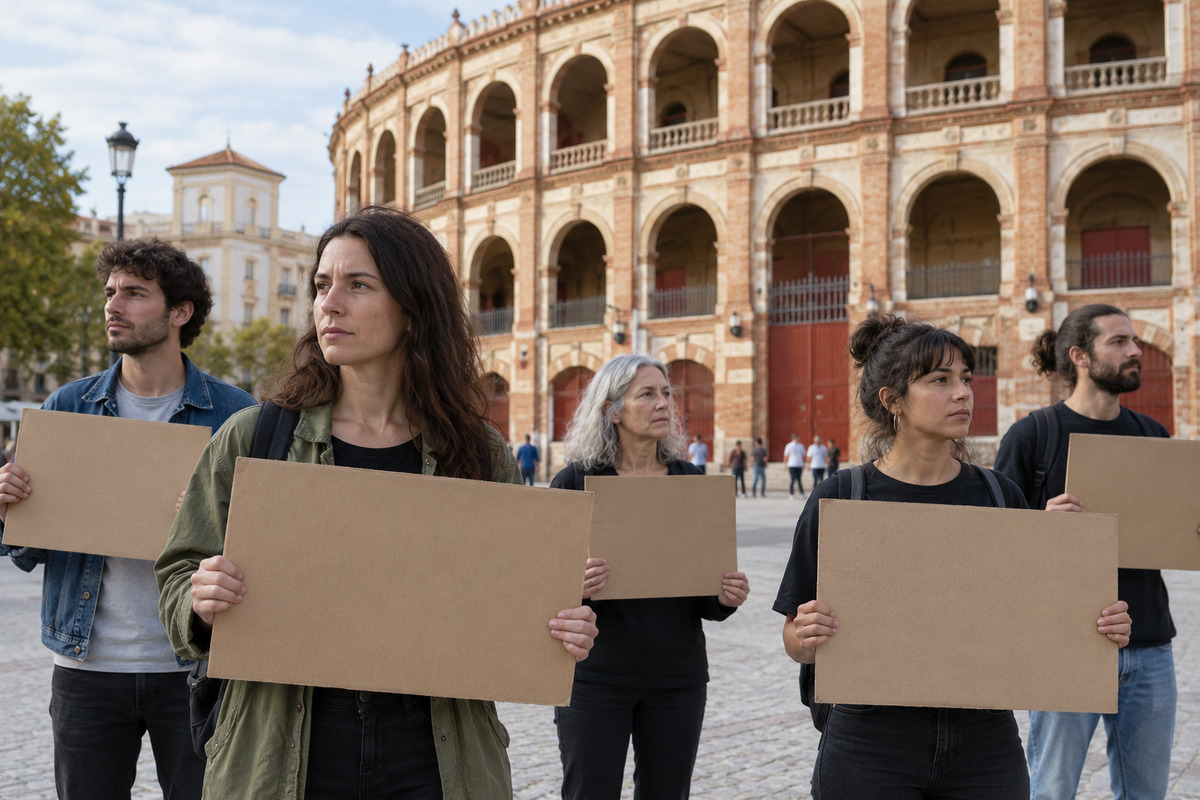
This leaves a continuing tension between cultural-protection rules, regional authority, changing public attitudes, and animal-welfare demands. Local restrictions and the practical prevalence of events can vary, but it would be inaccurate to describe bullfighting as universally banned across Spain.
Why the “tradition” argument keeps returning
The debate reaches beyond one celebrity or one country. Traditions change when societies reconsider their consequences. Supporters may see continuity, identity, and livelihoods; opponents see an animal made to suffer for a public spectacle. Those positions cannot be reconciled by age alone.
Gervais has made his position clear for years: historical acceptance is not, by itself, a moral defense of animal cruelty. The current viral image accurately reflects that longstanding view, but readers should understand its age and context rather than mistake it for breaking news.
Sources
- The Independent: Ricky Gervais’s 2015 comments on bullfighting
- El País: Gervais calls for a bullfighting ban in 2015
- HuffPost Spain: the 2019 “tradition” statement
- Spain’s Official State Gazette: Law 18/2013
- Spanish Constitutional Court: Judgment 177/2016
Image disclosure: The featured image and both inline images are AI-generated editorial or educational reconstructions. They do not depict a specific bullfight, protest, named animal, or identifiable real participant.
