
A bipartisan proposal in Congress would permanently prohibit the slaughter of horses for human consumption in the United States and stop their transport or export for that purpose. But the Save America’s Forgotten Equines Act—better known as the SAFE Act—is still a legislative proposal, not a nationwide ban already in force.
What the SAFE Act would change
House lawmakers introduced H.R. 1661 and senators introduced S. 775 on February 27, 2025. The legislation would amend federal law to prohibit possessing, shipping, transporting, purchasing, selling, delivering or receiving horses and other equines when the animals are intended to be slaughtered for human consumption.
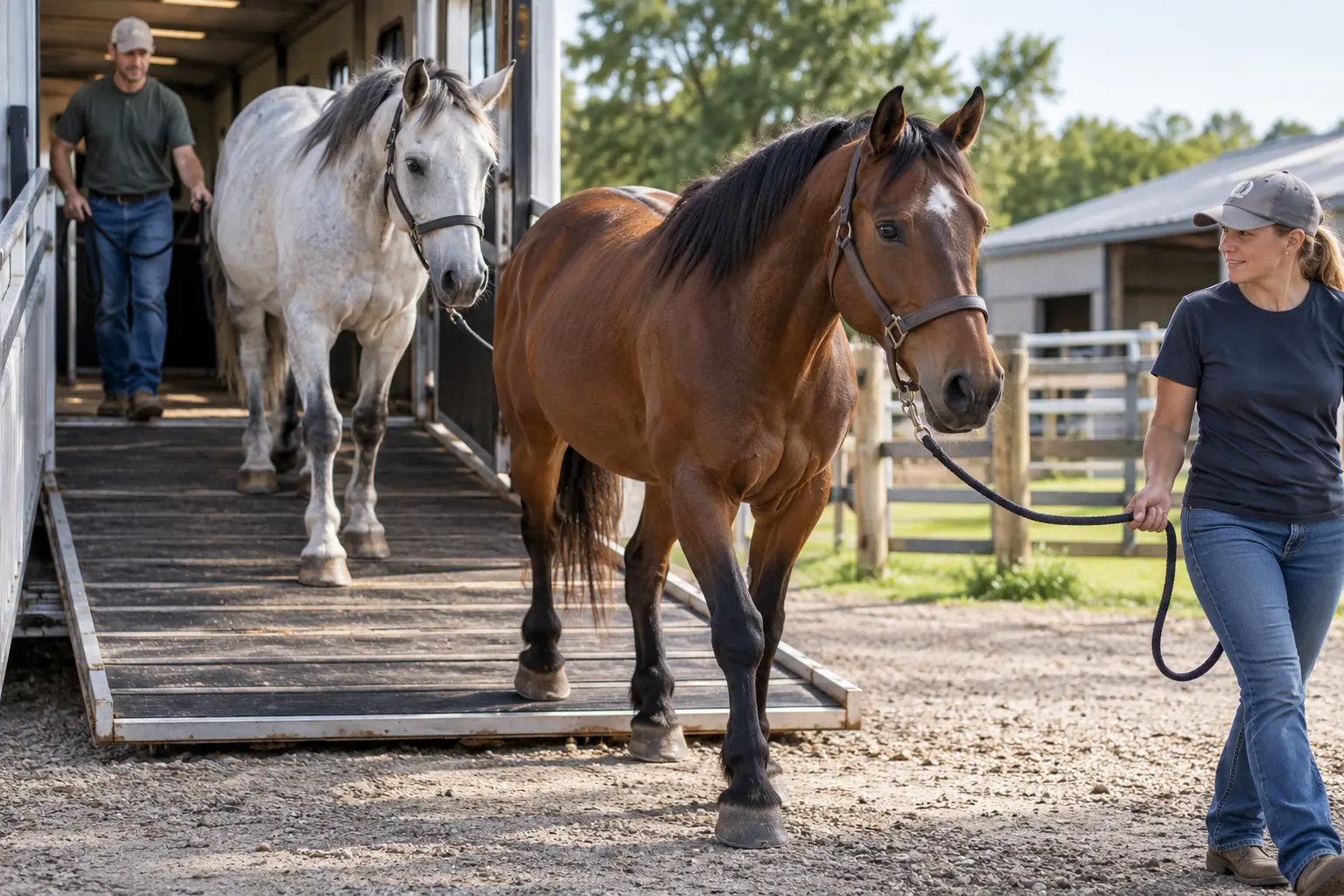
That wording matters. The proposal is designed not only to prevent domestic slaughter for human food, but also to close the export pipeline that can send American horses across a border for slaughter.
The measure has advanced, but it is not yet law
The standalone House and Senate bills began the congressional process in 2025. Supporters continued pursuing the policy through broader legislation in 2026. An amended version prohibiting transport of equines intended for slaughter for human consumption was included in the bipartisan BUILD America 250 Act when the House Transportation and Infrastructure Committee approved that package on May 22, 2026.
Committee approval is a meaningful step, but it is not final enactment. As of October 8, 2026, Congress had not completed the process required to make the SAFE Act’s permanent nationwide prohibition federal law.
Temporary border restrictions are a separate issue
Current border rules can make the picture confusing. The U.S. Department of Agriculture says Mexico is presently prohibiting slaughter-horse exports from every U.S. state because of New World screwworm detections. That is an animal-health restriction, not enactment of the SAFE Act.
USDA guidance for Canada still describes designated ports and certification requirements for feeder and slaughter horses entering from the United States, although additional screwworm-related restrictions apply to animals from or moving through affected states. Those changing health measures are different from the permanent federal policy Congress is considering.
What comes next
For a permanent national ban to take effect, matching legislation must clear both chambers of Congress and be signed by the president, whether as a standalone bill or as part of a larger package. Until then, the SAFE Act represents a bipartisan campaign and an evolving legislative effort—not a completed federal ban.
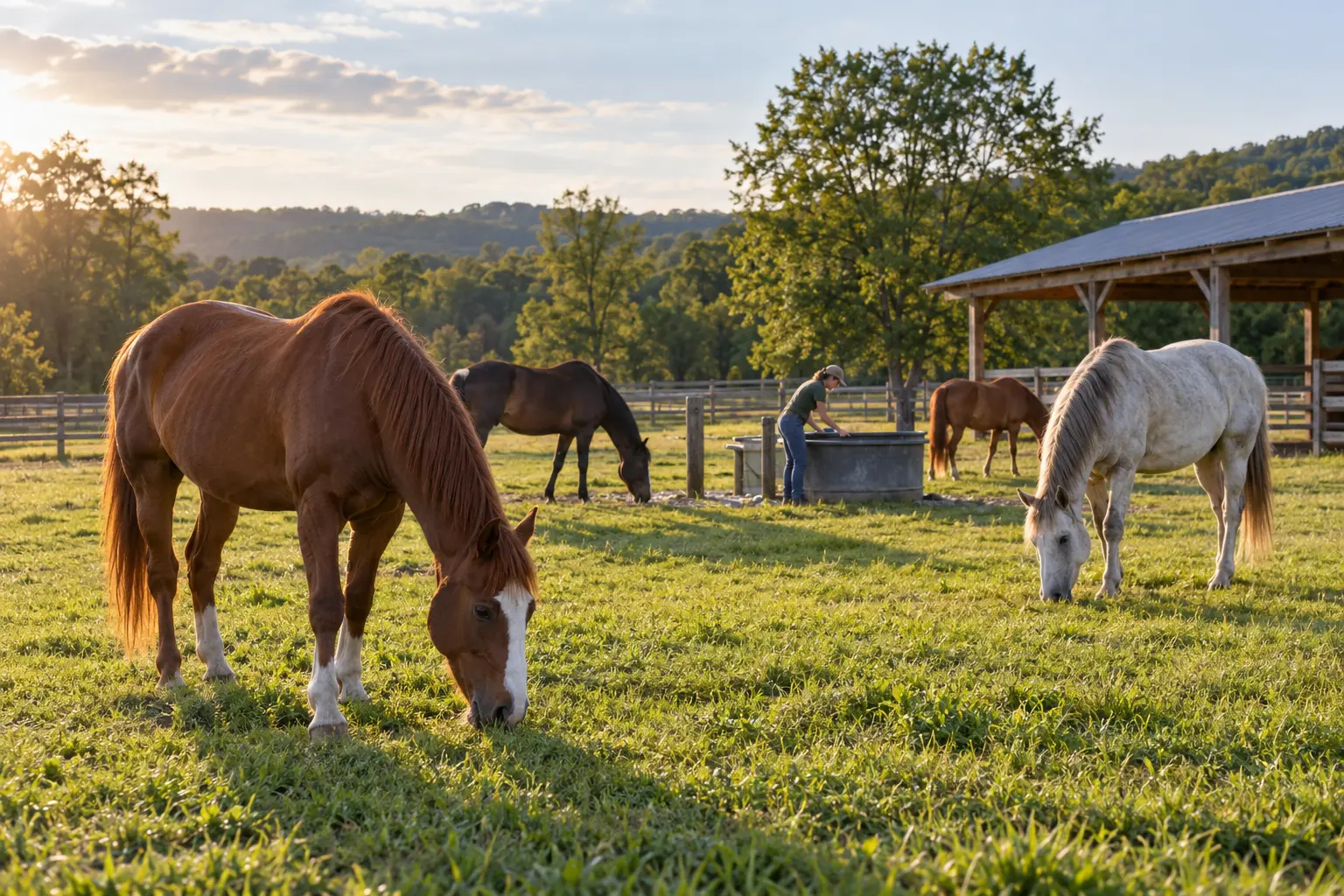
If the proposal becomes law, implementation will also require clear enforcement, safe alternatives for owners, support for rescues and sanctuaries, and responsible placement options. Ending a slaughter pipeline addresses one part of the welfare problem; protecting horses over the long term requires capacity and care after the policy changes.
Sources
- Office of Rep. Jan Schakowsky: SAFE Act introduction, February 27, 2025
- Office of Sen. Ben Ray Luján: Senate SAFE Act introduction, February 27, 2025
- House Transportation and Infrastructure Committee: BUILD America 250 Act approved, May 22, 2026
- USDA APHIS: current live-animal export requirements for Mexico
- USDA APHIS: current live-animal export requirements for Canada
