
More than 20,000 pigs died after a massive fire destroyed a commercial livestock barn west of Simcoe, Ontario, on July 14, 2026. No farm workers, firefighters or nearby residents were reported injured, but the animal toll made the blaze one of the region’s most devastating livestock emergencies in recent memory.
Emergency crews were called to the Highway 3 property at about 6:45 a.m. and found the large structure heavily involved in fire. The building covered roughly 200,000 square feet and was divided into areas housing pigs at different stages of production. Firefighters faced intense heat, thick smoke and the challenge of moving water to a rural site without a municipal hydrant supply.
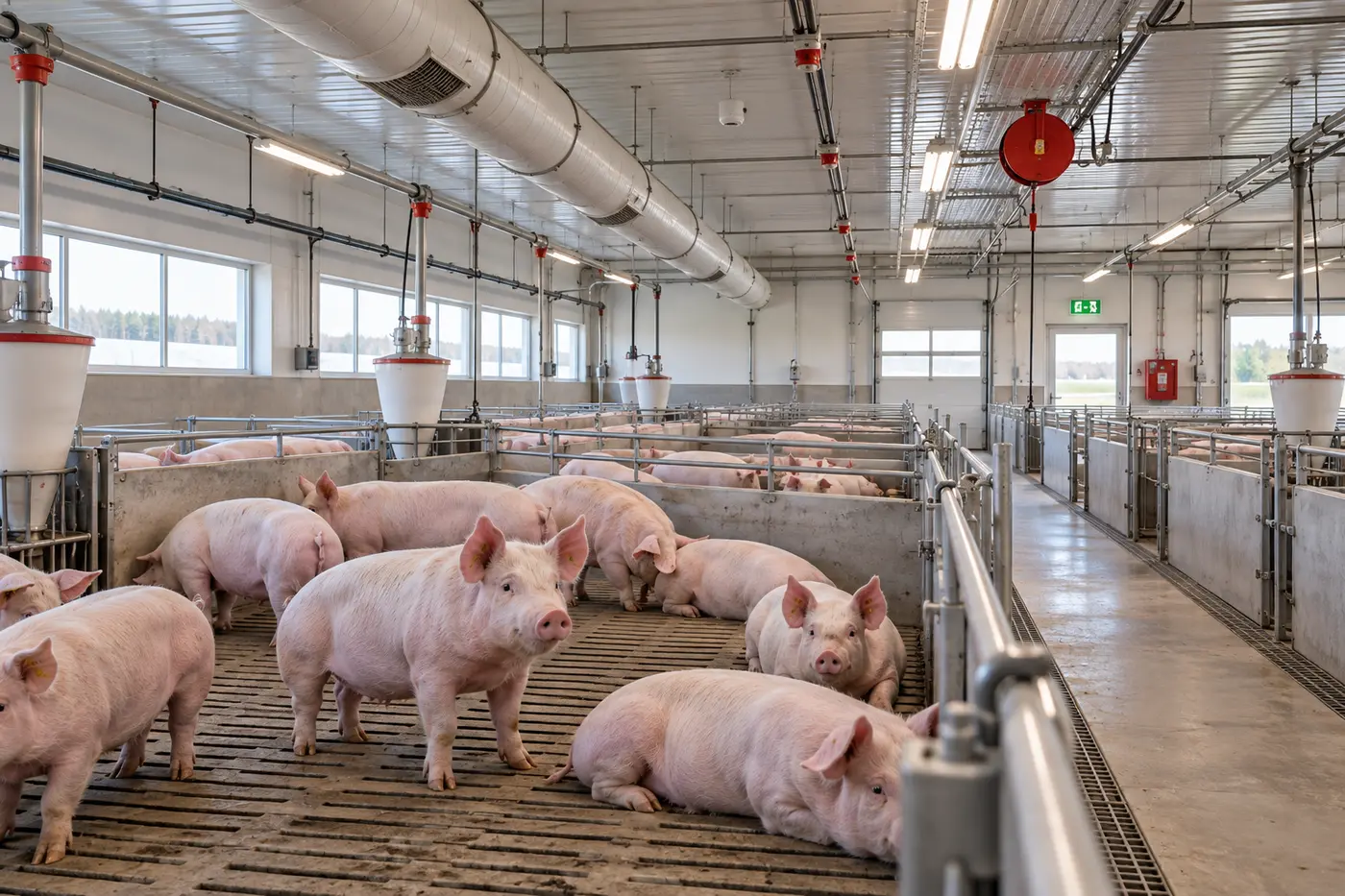
A major rural fire response
About 40 firefighters from eight Norfolk County stations and approximately 15 vehicles were involved at the height of the response, according to local reporting. Tankers transported water to the property while police closed a section of Highway 3 so emergency vehicles could move safely between the scene and water sources.
Norfolk Fire Chief Gord Stilwell initially told CHCH News that the barn had capacity for 20,000 pigs, although officials had not yet confirmed the exact number present. A later report by the Haldimand Press said more than 20,000 hogs were killed.
Officials estimated total losses at approximately C$30 million, covering the building, livestock and other property. The structure was considered a total loss. The fire’s cause had not been determined in the immediate aftermath, and authorities said there was no indication it was suspicious.
Why evacuation becomes so difficult
When thousands of animals are housed inside one building, evacuation can become almost impossible once smoke and fire spread. Animals may panic, refuse to move or become disoriented, while narrow passages and internal pen systems can slow access. Firefighters must also protect human life and avoid entering a structure that may collapse.
That does not make the animals’ deaths merely an unavoidable business loss. Pigs are living animals capable of fear and distress. Their dependence on confinement systems means owners and operators carry a serious responsibility to reduce fire risk and plan for emergencies before a crisis begins.
The Simcoe fire also produced a large smoke plume. Public-health officials advised residents in affected areas to limit exposure and keep doors and windows closed. Rural water access, extreme summer heat and the size of the structure all complicated the response.
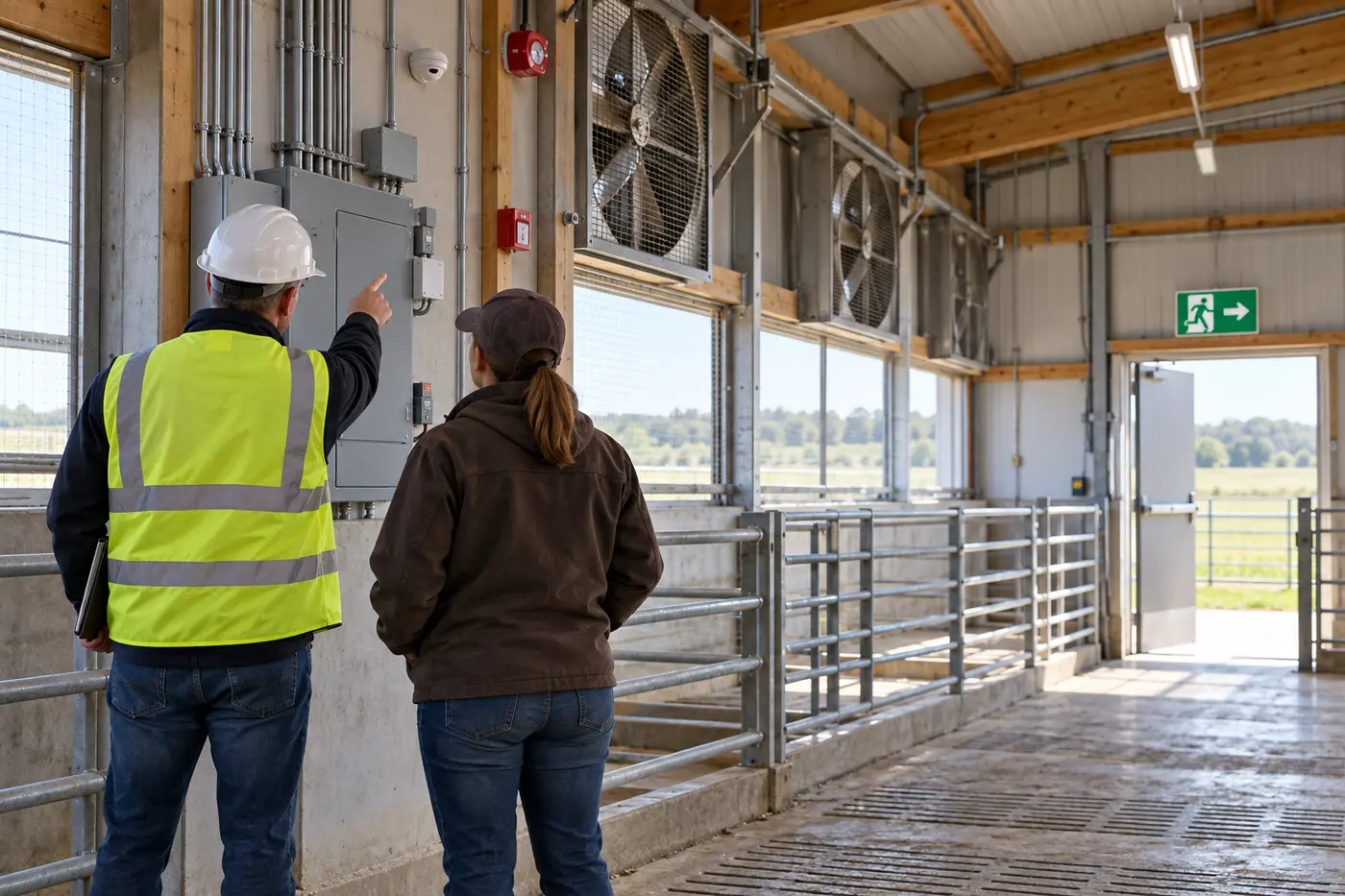
Prevention must match the scale of confinement
Large livestock operations need fire-prevention systems proportionate to the number of animals placed at risk. That includes regular electrical inspections, control of combustible dust and bedding, maintained alarms and suppression equipment, clear access for responders, reliable water plans and emergency procedures that staff can use quickly.
Some fires can spread too fast for a full evacuation, even when workers respond immediately. That reality makes prevention, early detection and compartmentalized building design especially important. It also raises a broader animal-welfare question: whether any single building should hold so many animals that safe evacuation is practically impossible.
The investigation may eventually clarify what started the Simcoe fire and whether specific safeguards failed. Whatever the cause, more than 20,000 animal deaths should not be reduced to a financial estimate. The scale of the loss deserves scrutiny, and the lessons should be used to prevent another barn from becoming a trap.
Sources
- CHCH News: Thousands of pigs feared dead in massive Simcoe barn fire
- Haldimand Press: More than 20,000 hogs killed
- Farms.com: Norfolk County barn fire overview
