
Twenty years after Steve Irwin died on September 4, 2006, the conservation mission he built continues to save wildlife in measurable ways. Australia Zoo says its wildlife hospital rescues, rehabilitates and releases more than 7,000 native Australian animals every year.
The anniversary passed three days ago, so this is a retrospective tribute rather than a same-day memorial. Yet the milestone offers a clear reason to examine what remains after the television programs, famous catchphrases and unforgettable encounters: organizations, facilities and conservation work that still operate in Irwin’s name.
From wildlife television to lasting institutions
Irwin became internationally known through The Crocodile Hunter and related programs. Australia Zoo says Steve and Terri Irwin made more than 300 television episodes that reached an audience of more than 500 million people worldwide.
The attention was never meant to end with entertainment. According to the zoo’s official history, money raised through filming and merchandise was directed back into conservation. Steve and Terri also established the Australia Zoo Wildlife Hospital, which Steve dedicated to his mother in 2004.
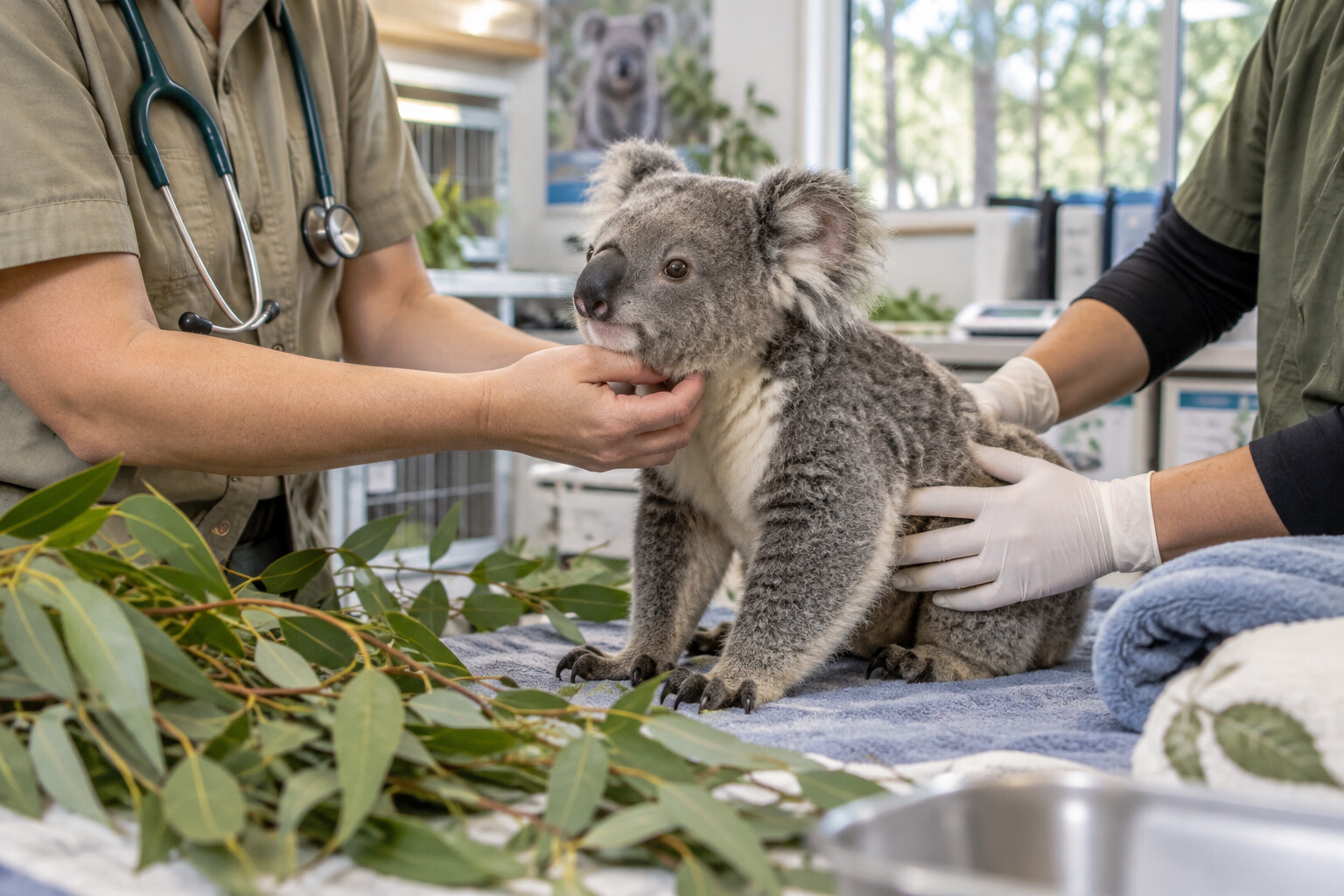
That hospital is one of the strongest examples of a public message becoming permanent infrastructure. Sick, injured and orphaned native wildlife can receive treatment there regardless of how small the patient may be. The goal is rehabilitation and, whenever possible, return to the wild.
A global conservation organization carries the vision
Steve and Terri founded Wildlife Warriors in 2002 to give supporters a way to help protect injured, threatened and endangered animals. Today, the organization says its projects continue Irwin’s vision of people and wildlife living harmoniously alongside one another.
Its work reaches beyond hospital care. Wildlife Warriors lists programs involving crocodile research, koala conservation, threatened species, habitat protection and efforts to fight wildlife crime. The Steve Irwin Wildlife Reserve in Queensland also protects an important landscape used for conservation research.
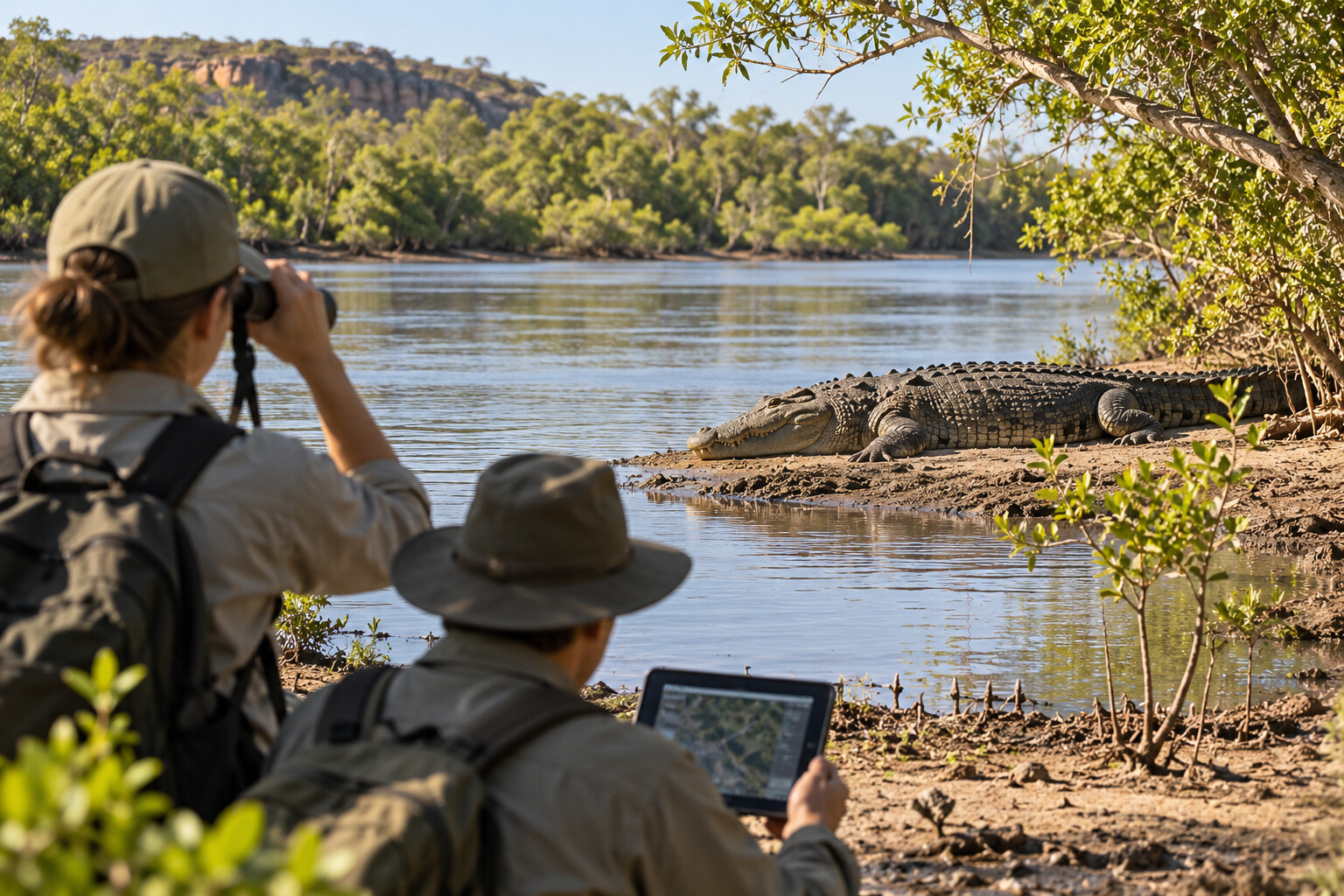
Irwin’s family remains closely connected to that work. Australia Zoo credits Terri, Bindi and Robert Irwin with continuing his mission of “Conservation Through Exciting Education.” Annual events, including Steve Irwin Day on November 15, raise funds and encourage people around the world to take part in wildlife protection.
Why his message still matters
Irwin’s television style was energetic and sometimes controversial, but his central idea was simple: people are more likely to protect animals when they understand and care about them. He tried to turn fear—especially fear of predators such as crocodiles—into curiosity and respect.
That challenge remains urgent. Wildlife faces habitat loss, vehicle strikes, disease, extreme weather, illegal trade and conflict with expanding human communities. Rehabilitation can save individual animals, while research, education and habitat protection address the larger pressures threatening entire populations.
A legacy should be measured by more than memories. Two decades after Irwin’s death, wildlife patients are still receiving care, researchers are still studying vulnerable species and supporters are still being invited to protect wild places.
Steve Irwin’s life ended in an accident while he was filming on the Great Barrier Reef. His conservation work did not end with him. The animals treated each year—and the people inspired to value wildlife—show how one public voice can become a mission carried forward by many others.
Sources
- Australia Zoo: official history and Steve Irwin’s legacy
- Wildlife Warriors: mission and conservation projects
- Australia Zoo Wildlife Hospital
- Wildlife Warriors: Steve Irwin Day
