
The Short-tailed Albatross, known scientifically as Phoebastria albatrus, has long fascinated scientists and bird lovers alike. Recognized for its impressive wingspan and striking appearance, this large seabird soared abundantly across the North Pacific before facing near-extinction in the early 20th century.
Historically, these albatrosses were widely hunted for their feathers, which, combined with habitat loss, brought the species to the edge of extinction. By the early 1900s, only a few individuals survived on Torishima, a small volcanic island in Japan.
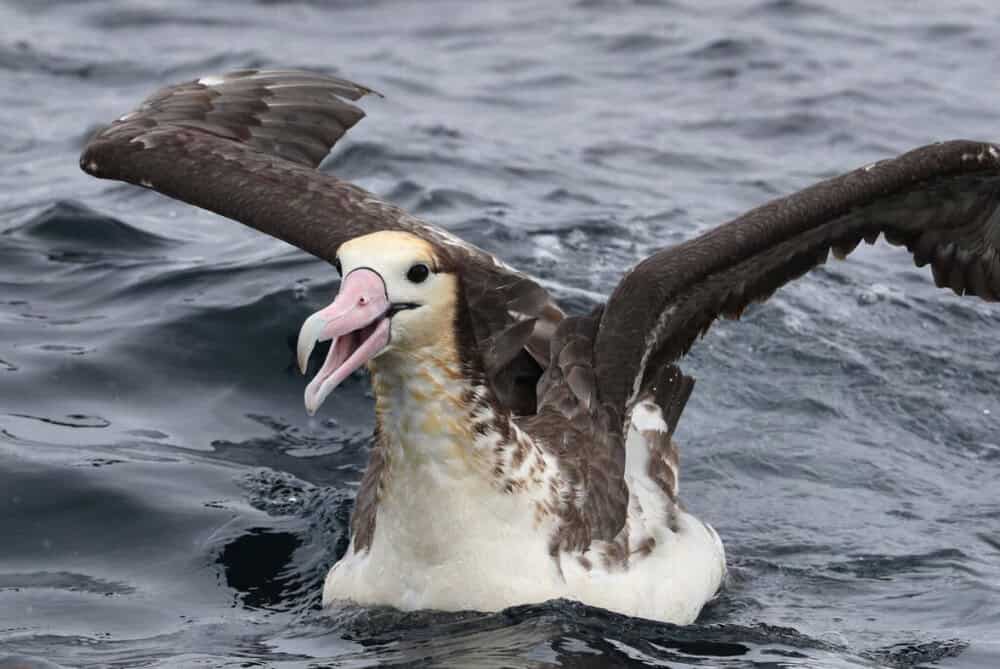
Yet, thanks to committed conservation efforts, the Short-tailed Albatross population has slowly recovered through protection initiatives, habitat restoration, and global cooperation.
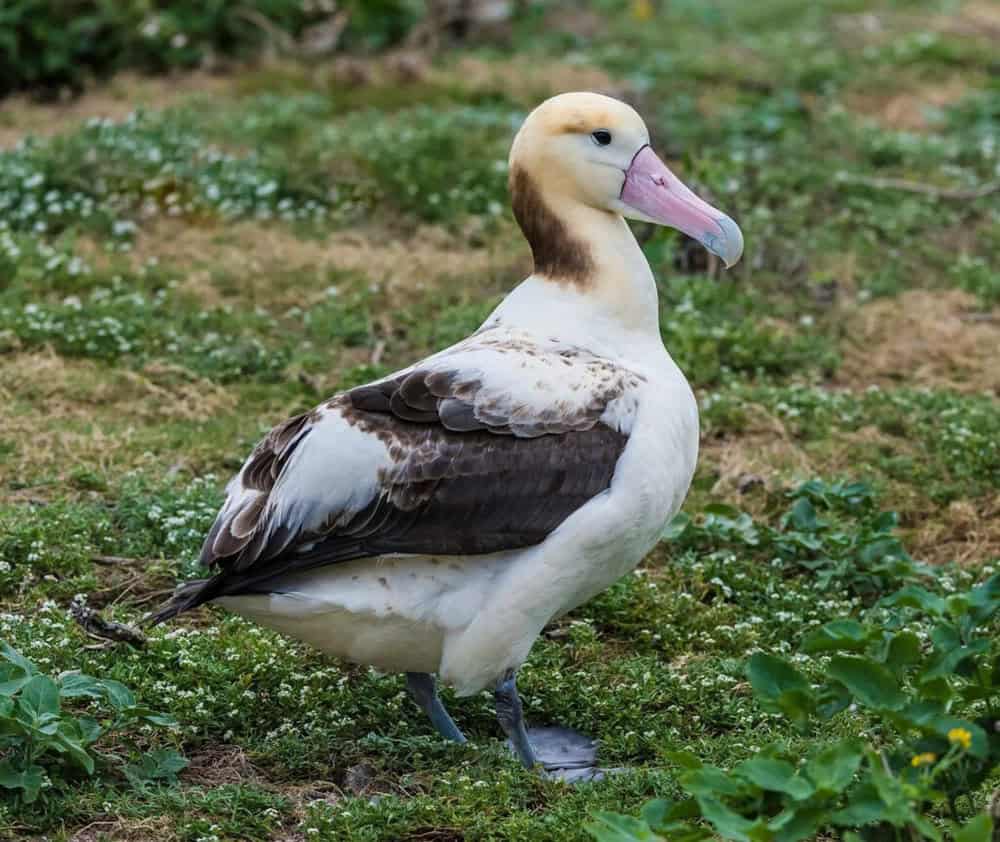
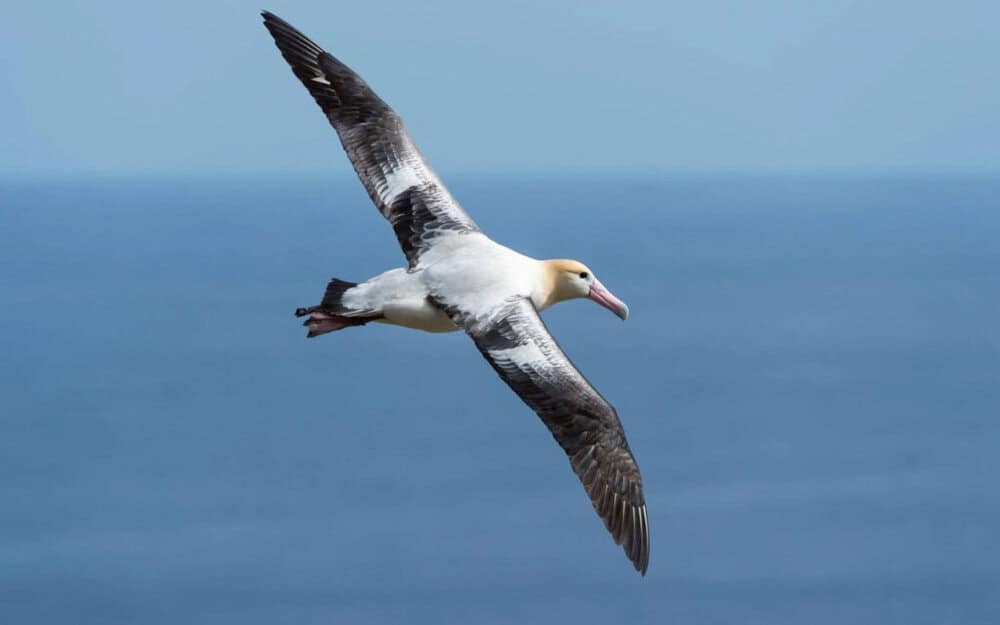
Adult Short-tailed Albatrosses are built for long-distance flight over open waters with a wingspan reaching up to 7.5 feet (2.3 meters). Their snowy plumage, pinkish-yellow beaks, and pale eyes create a distinctive and elegant look that distinguishes them from other seabirds.
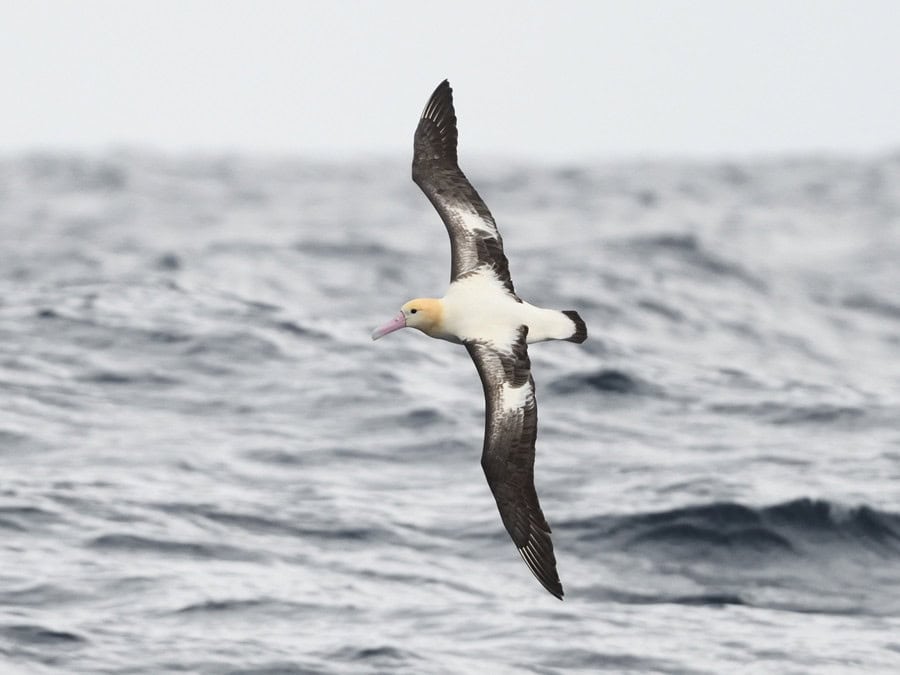
Today, breeding colonies for the species are primarily found on remote islands such as Japan’s Torishima and Minami-Kojima, as well as the Senkaku Islands. They prefer nesting on steep, rocky slopes, where groups gather to breed and rear their young.
Reaching maturity at five to seven years, these albatrosses engage in elaborate courtship rituals, forming lifelong bonds with their chosen partners. The albatrosses breed every two years, with each pair producing a single egg in a well-prepared nest. Both parents take turns incubating the egg for around 65 days.
Once hatched, the chick relies heavily on both parents for food, with the adults embarking on long foraging journeys, sometimes covering thousands of miles, to feed their young.
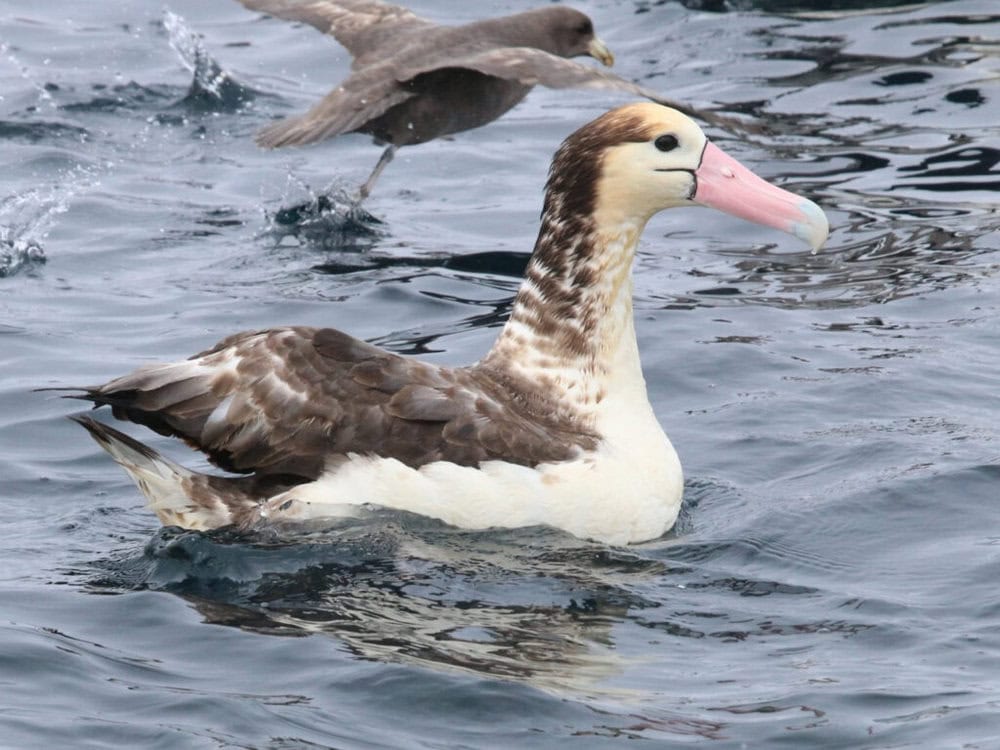
After several months, the chick develops enough to fledge, preparing for its first journey at sea. Young Short-tailed Albatrosses spend several years at sea, refining their flying and foraging abilities. This period is filled with risks, as marine pollution and fishing activities threaten their survival.
Efforts to protect the Short-tailed Albatross population have centered on habitat protection, reducing bycatch in fishing operations, and raising public awareness.
Legal protections in Japan, the United States, and other regions have been crucial, along with international collaboration and support from conservation groups to monitor and protect these birds.
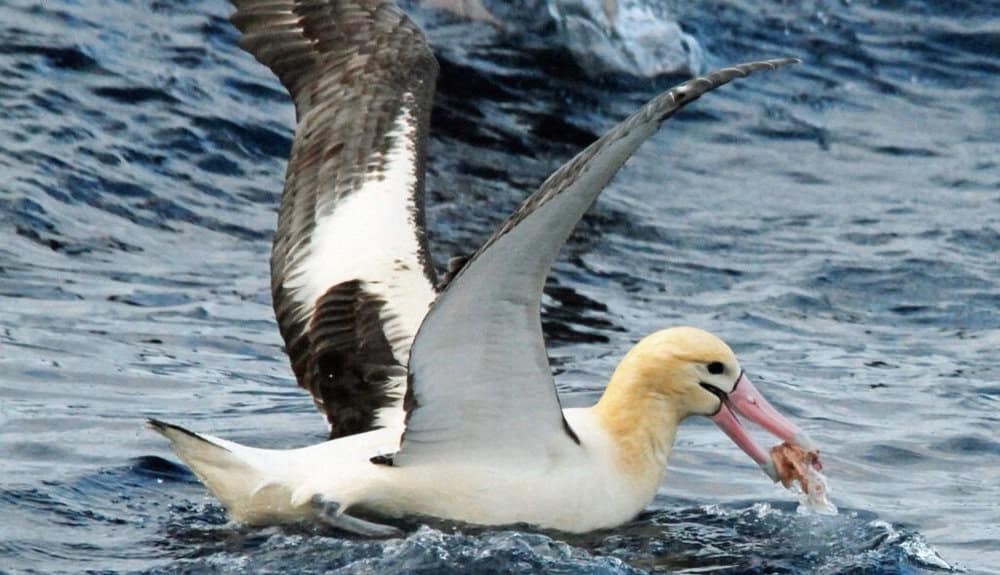
The ongoing recovery of the Short-tailed Albatross population highlights the impact of conservation and the resilience of nature. The species’ resurgence underscores the importance of safeguarding biodiversity, as each creature uniquely sustains our ecosystems.
This remarkable journey of the Short-tailed Albatross serves as a call to action to preserve this majestic bird and the habitats and environments that support all life on Earth.
Read More Birds