
The United Kingdom has set a concrete target to move routine botulinum-toxin potency testing away from mice. Under the government’s Replacing Animals in Science strategy, published on November 11, 2025, regulators aim to apply only validated alternative methods for pharmacopoeial potency testing of botulinum toxin by the end of 2027.
The policy is significant because the traditional test can involve severe animal suffering. Botulinum toxin is a biological product, so each manufactured batch must be checked to confirm its potency and consistency. Historically, that quality-control work has often relied on the mouse LD50 assay, in which groups of mice are exposed to the toxin and observed over several days to determine the dose that kills half of them.
What the 2027 target actually says
The new target is not an immediate ban on every use of mice connected with botulinum toxin. It is a commitment to use validated alternatives for routine pharmacopoeial batch-potency testing by the end of 2027. The strategy says animal potency testing should remain permissible only in rare cases where an animal, human or food-safety incident requires a potency determination that cannot be made with an accepted alternative.
That distinction matters. The government is describing a regulated transition based on scientific validation, not a blanket prohibition that applies overnight. The broader strategy also says animal use should continue only where reliable alternatives are not yet available and that safety and effectiveness standards must be maintained.
The Medicines and Healthcare products Regulatory Agency already accepts a non-animal method for two common, specific strengths of type A botulinum-toxin drug substance. The strategy also states that, since 2024, the agency has stopped licensing LD50 tests performed in the UK solely to meet requirements in third countries.
Why alternatives are becoming possible
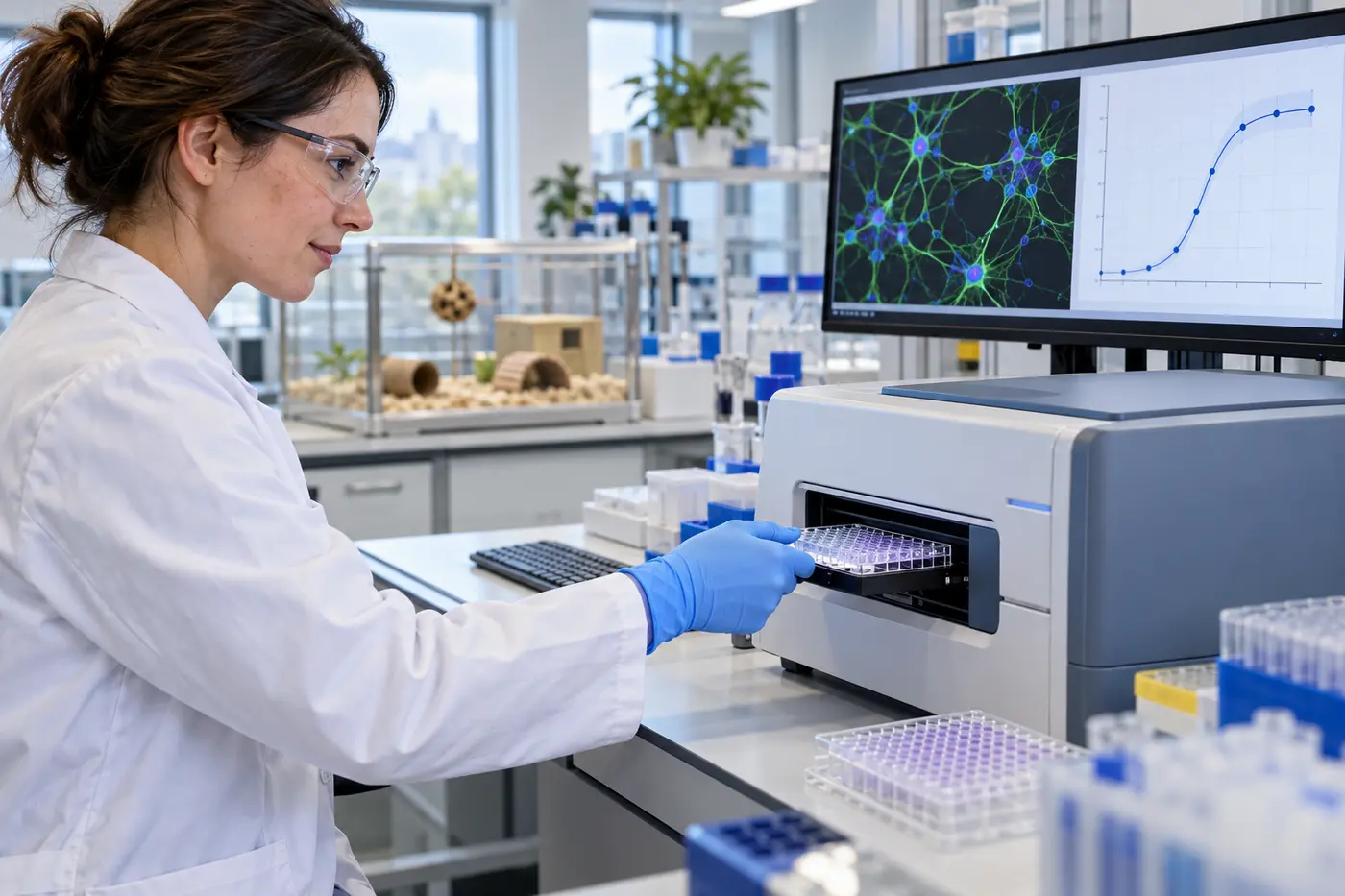
Cell-based assays are designed to measure the biological activity of botulinum toxin without using a living animal as the test system. Depending on the product and method, researchers can use cultured cells to reproduce key steps in the toxin’s action and measure the response in a controlled laboratory setting.
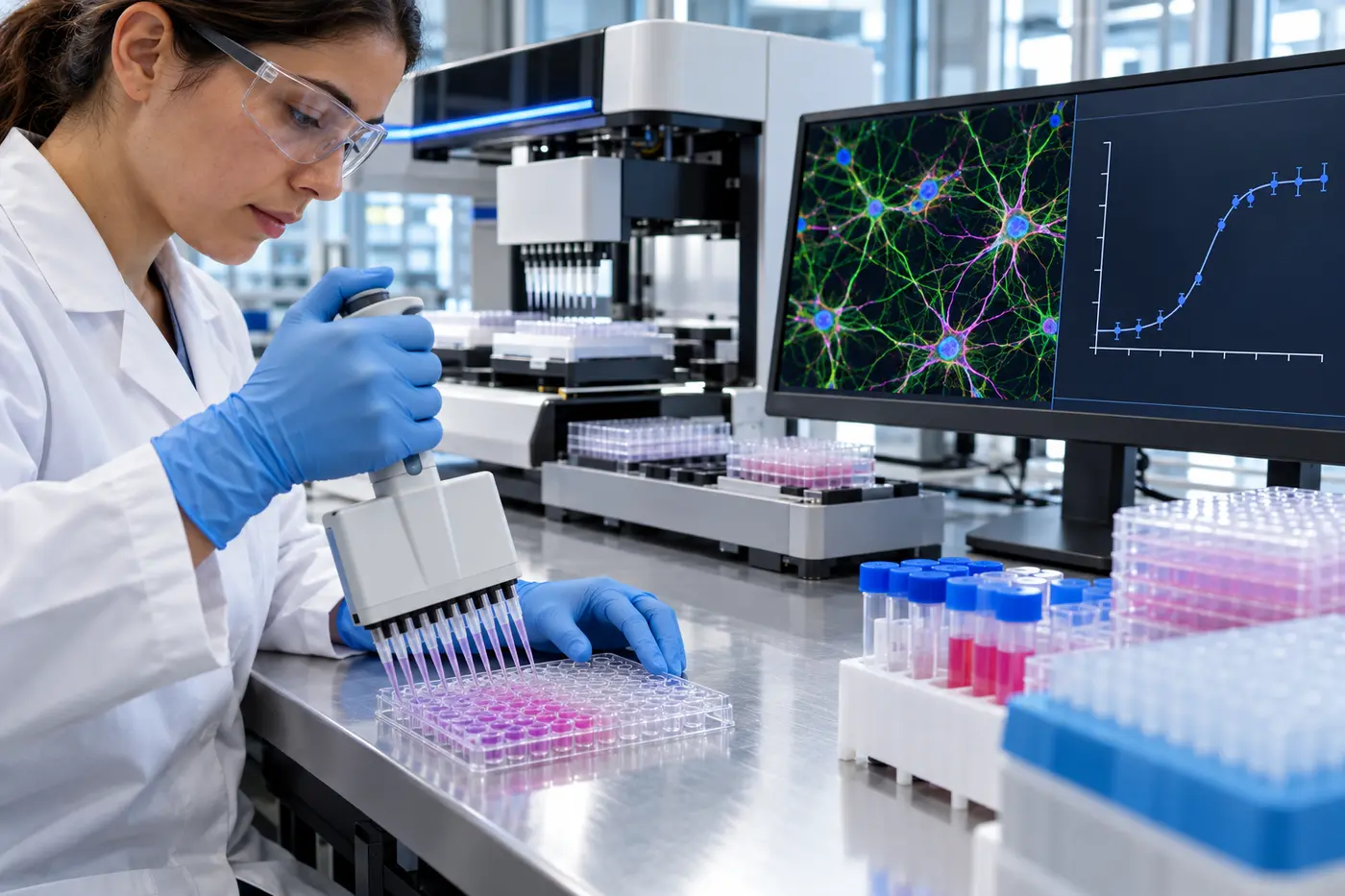
The National Centre for the Replacement, Refinement and Reduction of Animals in Research has supported work on human cell models for botulinum-toxin testing for years. The goal is not merely to reduce animal numbers, but to build assays sensitive and reliable enough to replace the mouse test for defined products and regulatory purposes.
Validation is crucial because botulinum-toxin products differ. A method shown to work for one formulation, strength or toxin type cannot automatically be assumed to work for every other product. Regulators and manufacturers must demonstrate that an alternative consistently measures the property needed for batch release.
A measurable animal-welfare milestone
The government’s announcement says researchers are expected to end mouse tests of Botox strength by 2027. The more precise strategy language refers to botulinum-toxin potency testing, which includes medicines used for both therapeutic and cosmetic purposes and is not limited to the Botox brand.
Official statistics for 2025 did not yet publish a separate total for botulinum-toxin batch-potency procedures. The Home Office said future reporting would be improved for this category, which should make progress toward the target easier to assess.
For animal-welfare advocates, the direction is clear: once a validated non-animal test can provide the required safety and quality information, mice should not be used for the same purpose. For scientists and regulators, the challenge is to turn that principle into dependable methods that can be adopted across products and manufacturers.
The 2027 deadline gives the UK a defined milestone. Whether it is met will depend on validation, regulatory uptake and transparent reporting—but it is a real government target, and it could remove one of the most severe routine uses of mice from medicine quality control.
