
In 1954, amidst fierce competition in the American automobile industry, the 1954 Packard Caribbean emerged as an icon of luxury and style, captivating enthusiasts and fans alike.
Let’s delve into the history, design, features, and enduring legacy of this masterpiece of automotive craftsmanship.
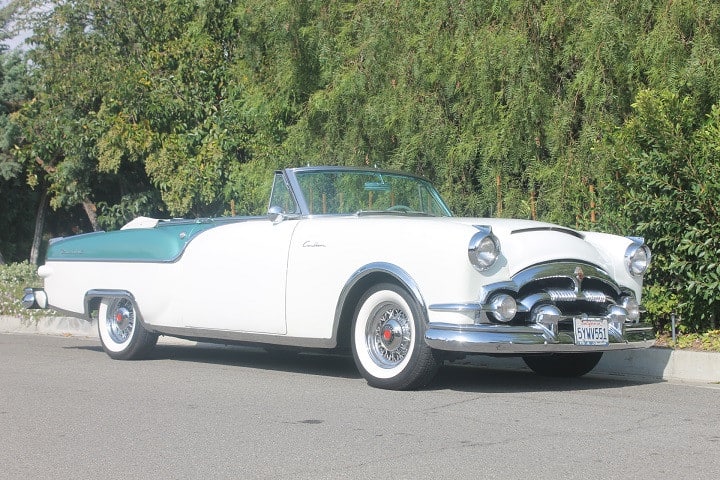
Rediscovering Packard’s Prestige
Founded in 1899, the Packard Motor Car Company quickly became synonymous with luxury, catering to royalty, celebrities, and business magnates.
However, post-World War II challenges prompted Packard to reinvent itself, introducing the Caribbean model in 1953.
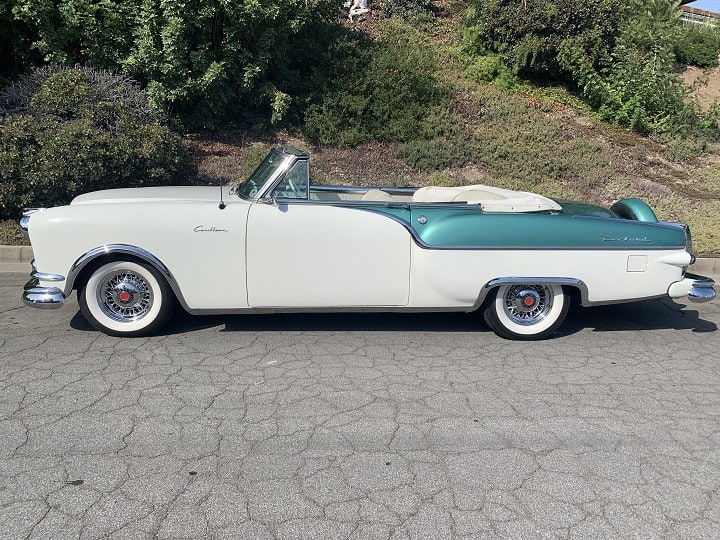
Unveiling the 1954 Packard Caribbean
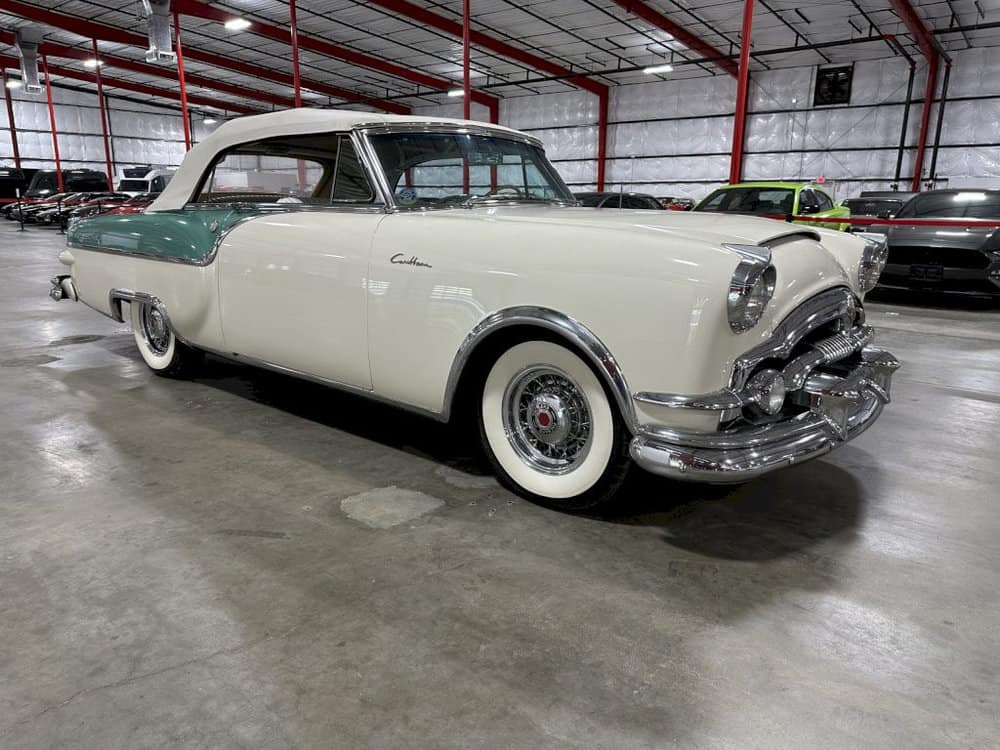
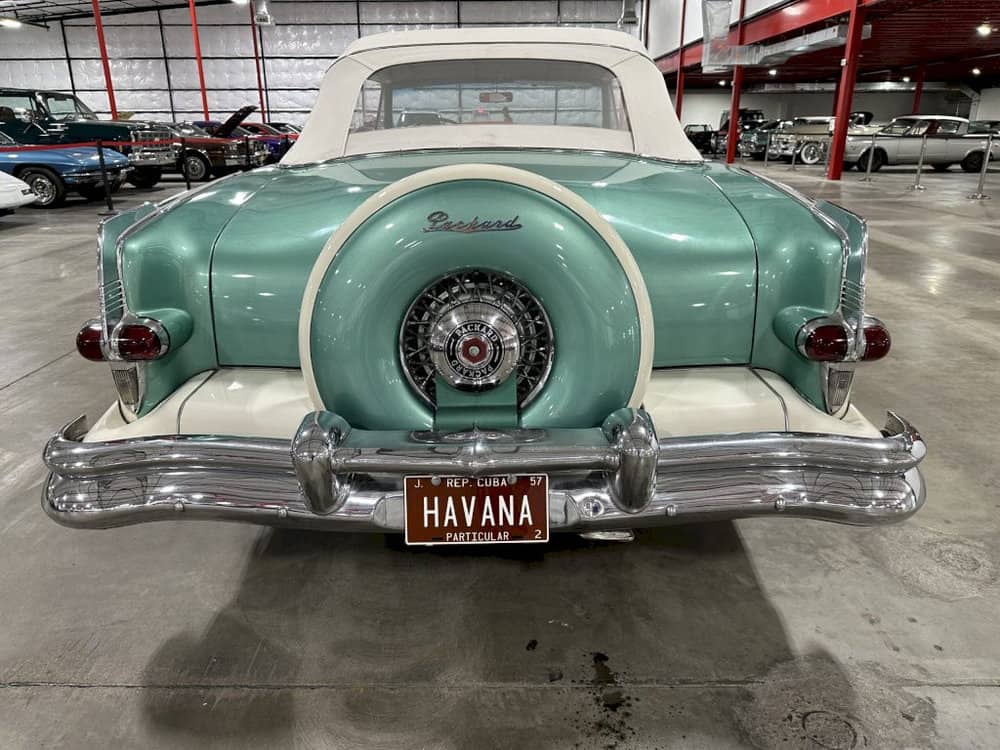
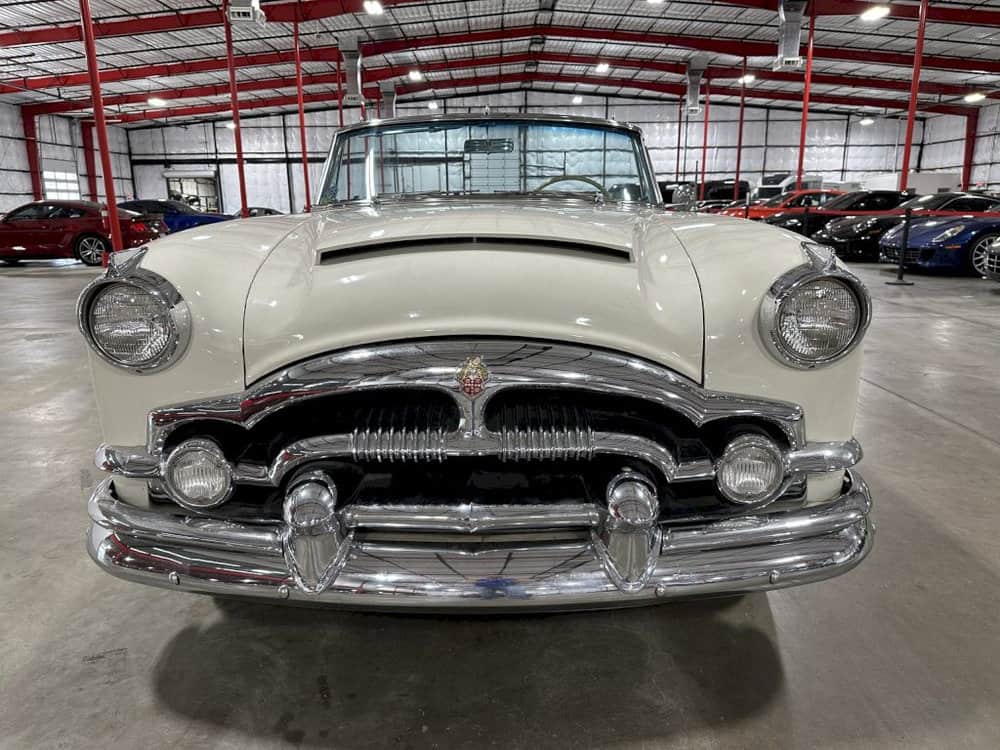
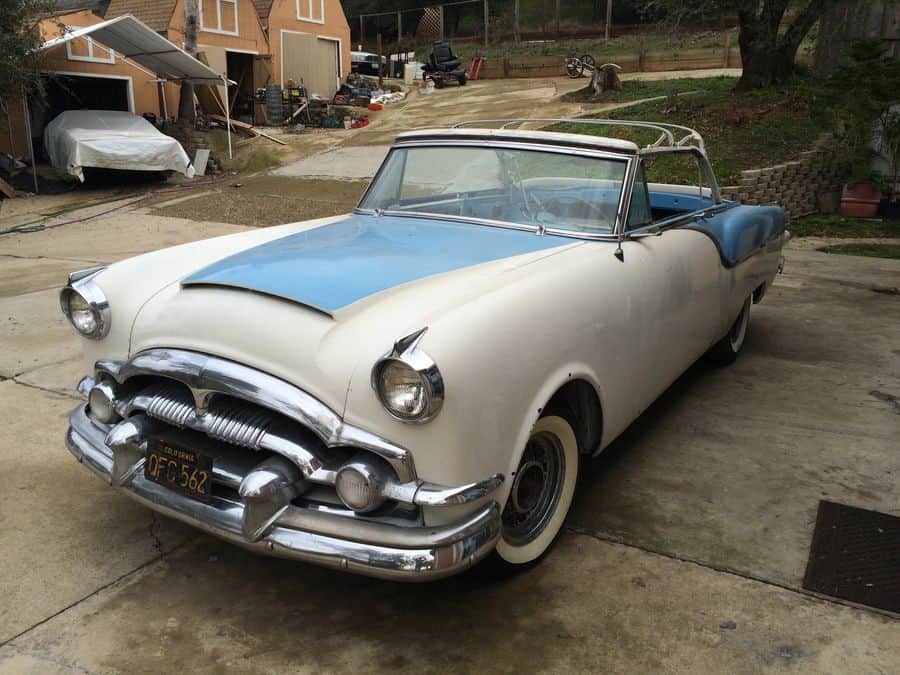
Building on the success of its predecessor, the 1954 Packard Caribbean epitomized elegance with its sleek lines and bold curves.
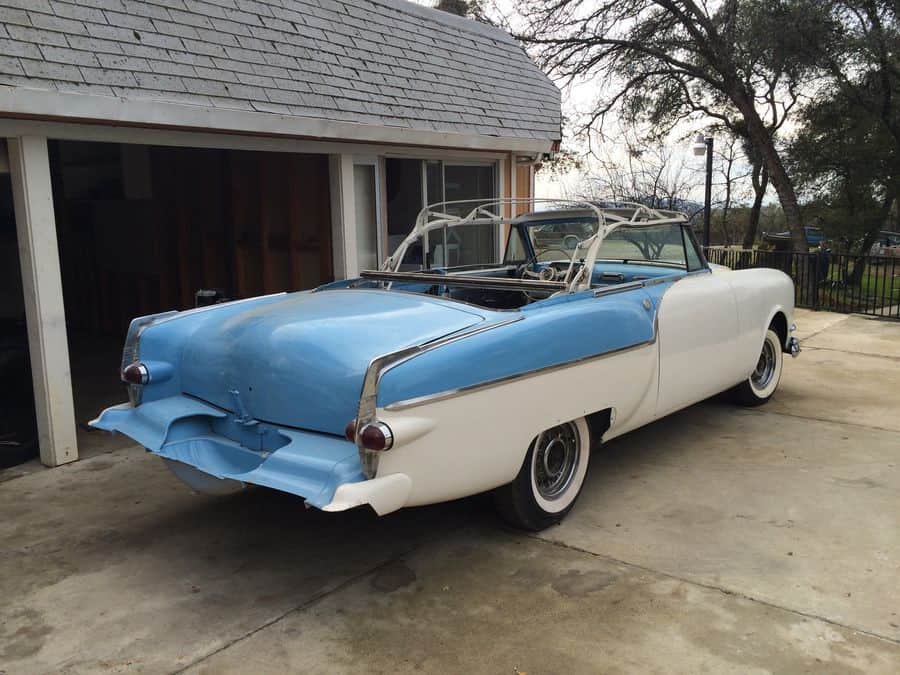
The chrome-framed grille and convertible top added a touch of class, making it a standout in an era marked by rapid design evolution.
Luxury Redefined Inside Out
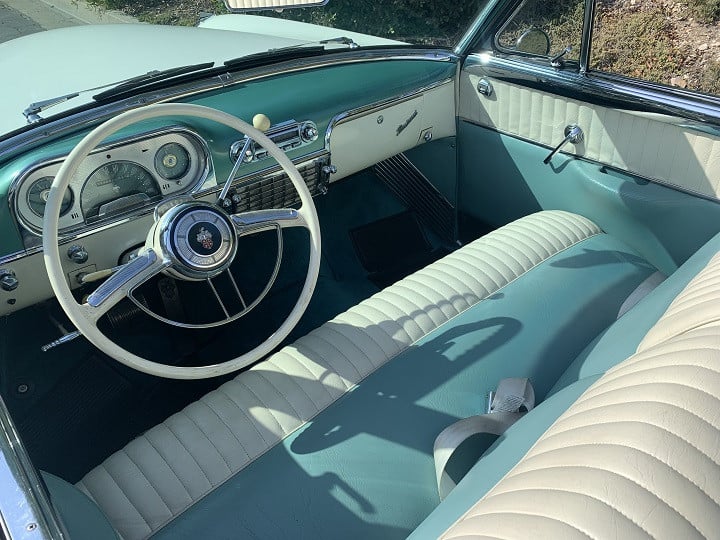
The interior boasted sumptuous leather upholstery and woodgrain accents, providing a lavish driving experience.
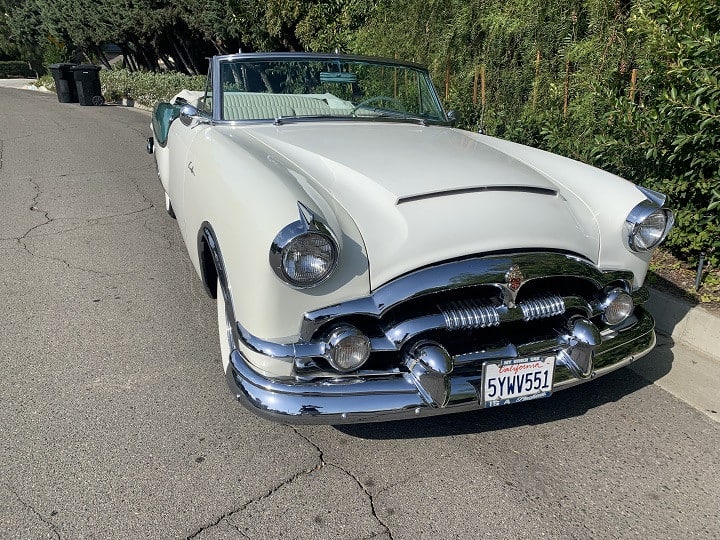
The symmetrical dashboard, adorned with chrome-trimmed gauges, exemplified design and functionality.
Power and Performance
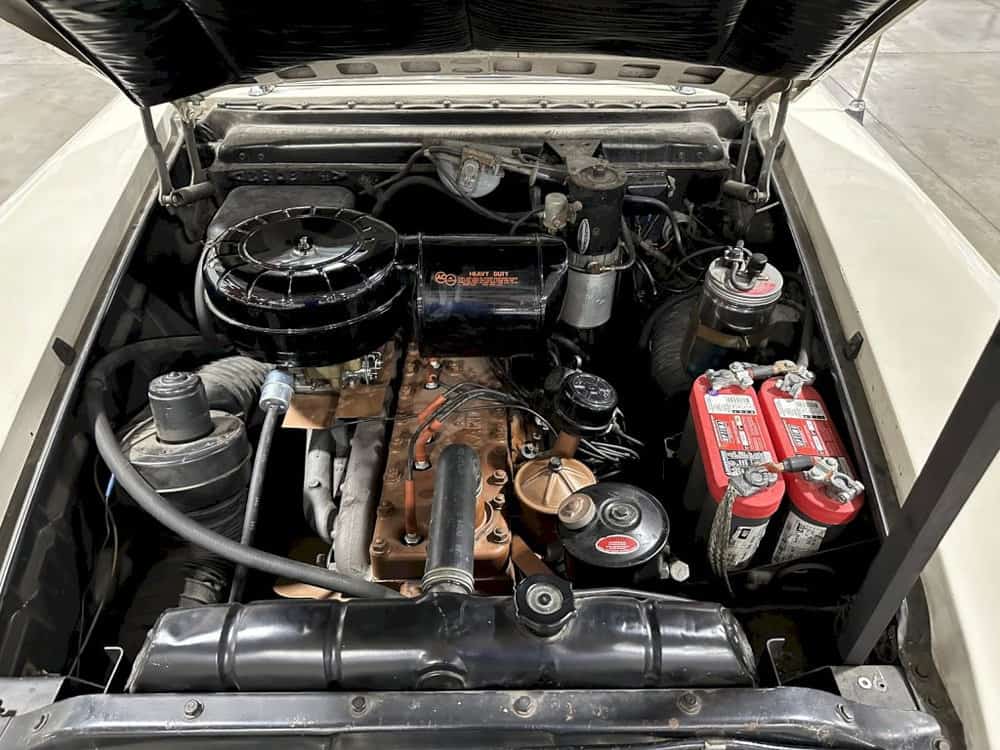
Under the hood, a robust 212-horsepower engine paired with Packard’s Ultramatic automatic transmission ensured a smooth ride with effortless acceleration, solidifying the Caribbean as a symbol of style and a performer on the road.
Exclusivity and Legacy
With only 400 convertibles produced, the 1954 Packard Caribbean became a symbol of exclusivity and prestige, cherished by collectors for its rarity and timeless design. Its influence on future car designs remains evident, cementing its place in automotive history.
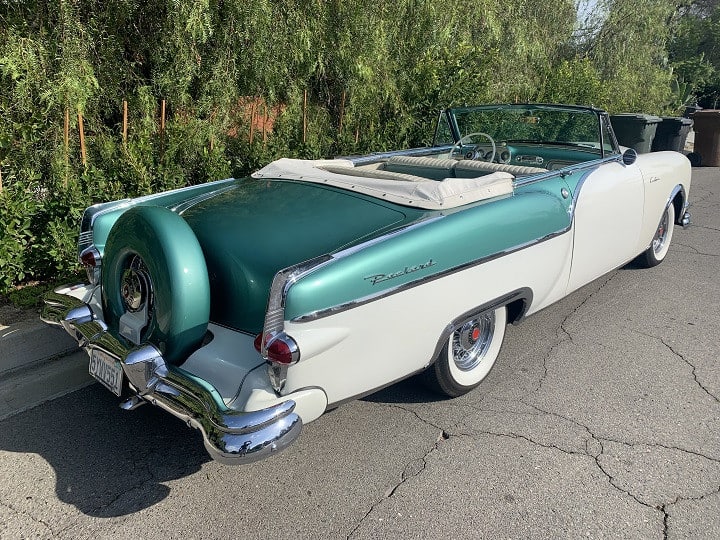
A Treasured Classic
Today, the 1954 Packard Caribbean commands attention as a highly sought-after collector’s car, cherished for its historical significance and enduring beauty.
Restorers and collectors alike are dedicated to preserving its legacy for future generations to appreciate.
Conclusion: Timeless Elegance
The 1954 Packard Caribbean continues to inspire awe, serving as a reminder of a golden era in automotive design.
Its enduring allure and innovation stand as a testament to the craftsmanship and passion that define classic cars, ensuring its place in automotive history for years to come.
Read more Classic Cars News.