
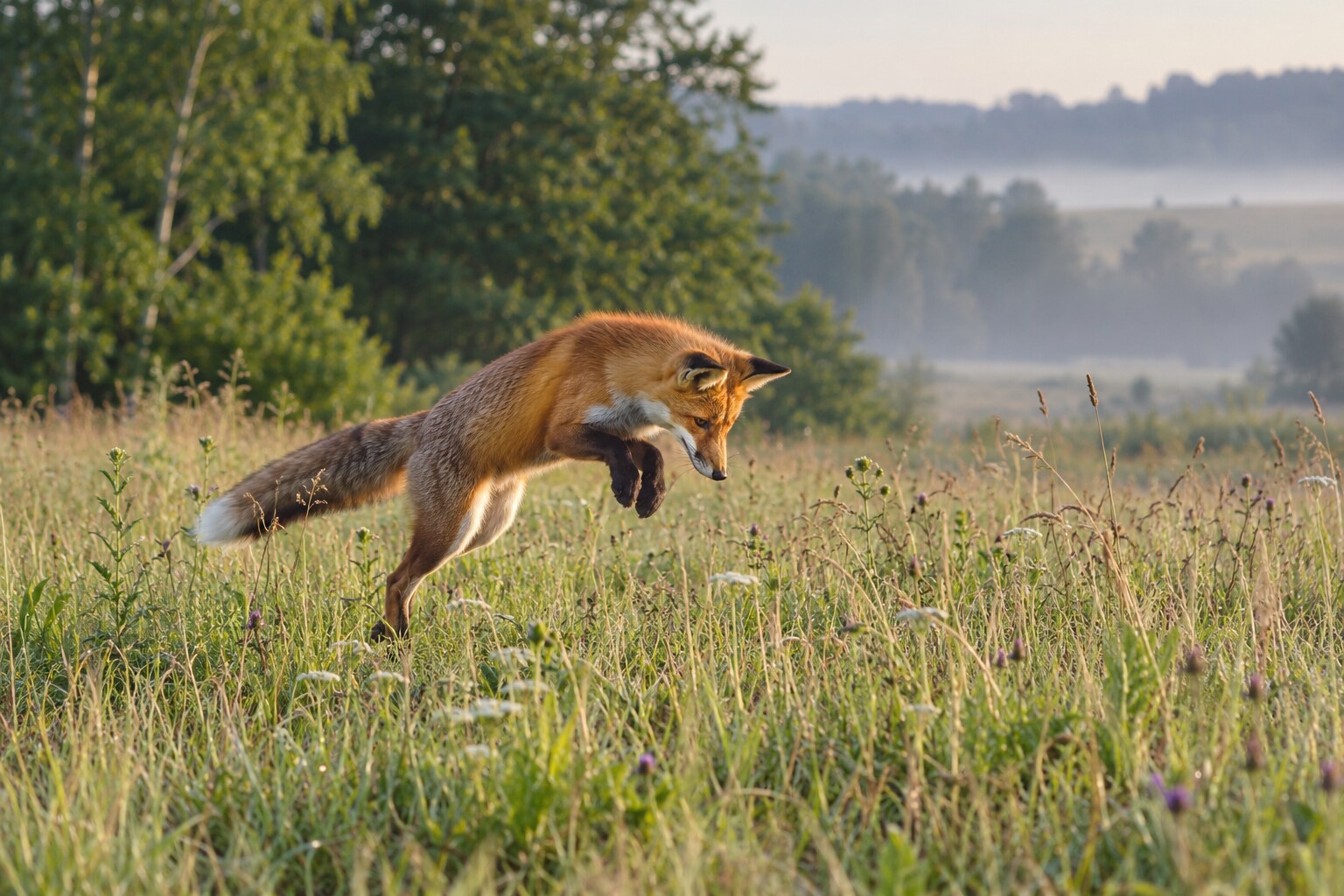
A fox watching from the edge of a field is more than a symbol of cleverness or a target in a human conflict. It is a wild mammal navigating hunger, danger, shelter and the demands of raising young. That simple fact matters when people decide how foxes should be treated.
Red foxes are remarkably adaptable. They live across a wide geographic range and can survive in forests, farmland, mountains and cities. The species is currently assessed as Least Concern globally by the International Union for Conservation of Nature. That status is important context: red foxes are not globally endangered. But a secure global classification does not mean every population—or every animal—is free from harm. Habitat loss and fragmentation, persecution, hunting and other human pressures can still affect foxes locally.
What science says about animal experience
Modern animal-welfare science treats sentience as the capacity to have subjective experiences that feel positive or negative. Researchers cannot ask a fox to describe pain, but mammals share many of the neural, physiological and behavioral systems involved in pain and distress. Evidence across mammalian species supports the conclusion that they are capable of painful and affective experiences.
This does not require imagining that foxes think exactly as humans do. It means recognizing that their responses are not merely mechanical. An injured or trapped mammal can experience more than tissue damage; fear, stress and attempts to escape are relevant to the ethical choices people make.
A species can be common and still deserve humane treatment
Conservation status measures extinction risk, not moral worth. A common species can still suffer from cruel handling, indiscriminate killing or poorly designed control programs. Conversely, protecting animals responsibly does not mean ignoring legitimate concerns about livestock, disease or vulnerable native wildlife. Good wildlife policy has to hold both realities at once.
Research on red fox population management shows why simplistic answers are risky. Fox numbers can change with natural mortality, immigration, food availability and density-dependent effects. Removing animals in one place may not create the result people expect if other foxes move in or if prey conditions change. Lethal control can sometimes be proposed for specific conservation or agricultural goals, but its effects should be tested rather than assumed.
Better decisions begin with better evidence
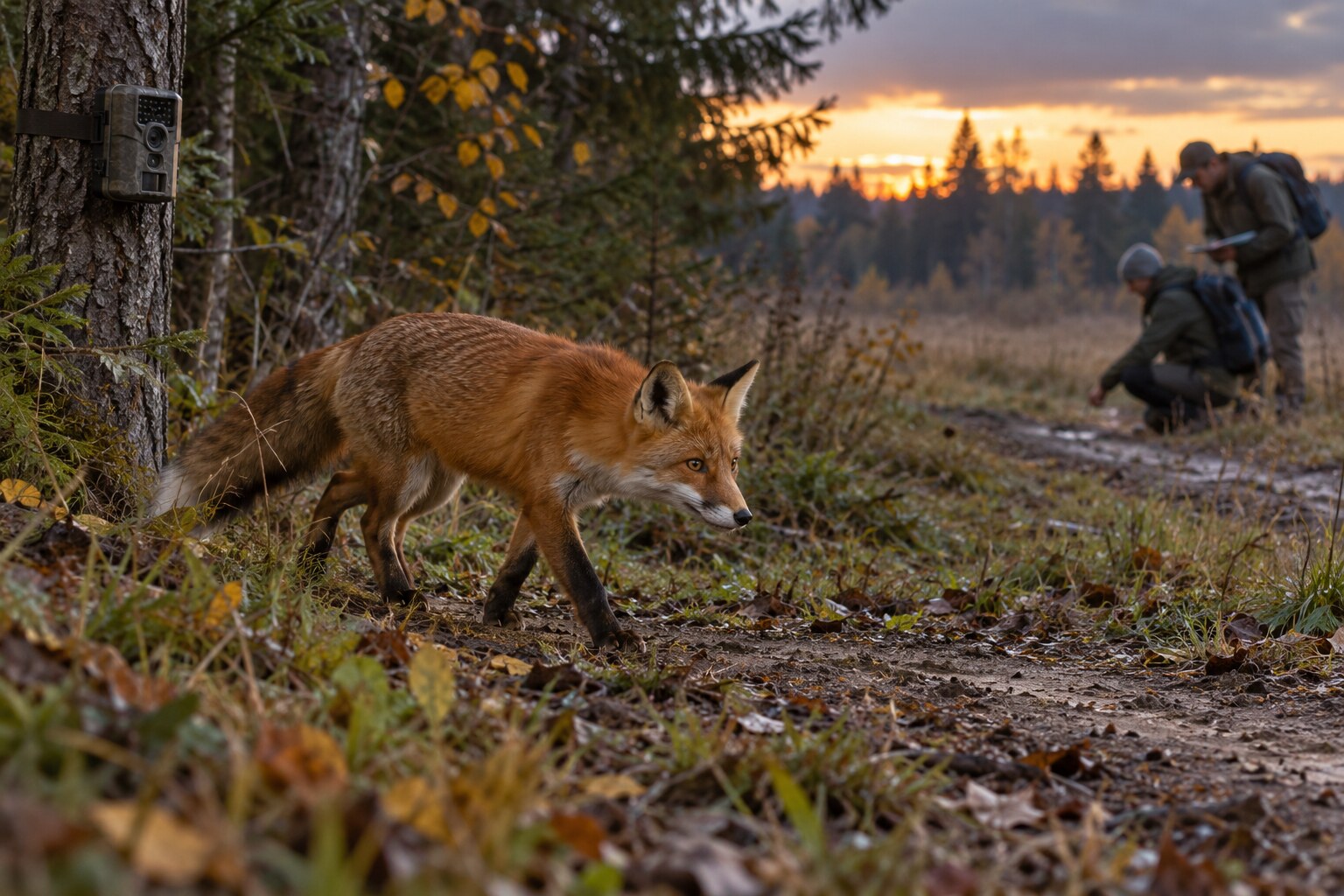
Wildlife managers increasingly use non-invasive tools such as camera traps and genetic samples collected from the environment to estimate where foxes live, how many may be present and how they use a landscape. These methods can provide evidence without requiring animals to be captured or killed.
Monitoring also helps distinguish an isolated sighting from a genuine, recurring problem. That distinction matters. A fox passing through a neighborhood is not automatically a threat, and a management response should be proportionate to the evidence.
Practical coexistence
People can reduce conflict by removing easy food sources and making vulnerable animals harder to reach. Secure household waste, do not deliberately feed foxes, clean up fallen fruit or pet food, and use well-maintained fencing and enclosed night housing for poultry and small livestock. Pets should be supervised where local wildlife interactions are likely.
If a fox repeatedly approaches people, appears injured or behaves unusually, residents should contact an appropriate local wildlife or animal-control authority rather than attempting to handle it. Regulations and recommended responses vary by location, so local expert guidance is essential.
Compassion for wildlife is not the same as romanticizing it. Foxes are predators, scavengers and competitors as well as vulnerable living animals. Respect means allowing them to remain wild, preventing avoidable suffering and making management decisions that are specific, evidence-based and humane.
Sources
- IUCN Red List assessment for the red fox
- Review of animal sentience and welfare science
- Ecological Applications study on red fox population management
- Non-invasive genetic monitoring of red foxes
