
A bipartisan federal bill would phase out the use of helicopters and fixed-wing aircraft to gather wild horses and burros, but the proposal has not become law.
The Wild Horse and Burro Protection Act of 2025, H.R. 4356, was introduced on July 10, 2025, and referred to the House Committee on Natural Resources. Its text would require the Interior Department to reduce reliance on aircraft over two years and end their use for roundups after that period. It would also require cameras on aircraft used during the transition and direct the Government Accountability Office to examine alternative management methods.
The proposal has gained fresh attention after a major 2026 roundup in northwestern Colorado. According to the Bureau of Land Management, the Piceance-East Douglas/West Douglas operation gathered 894 horses, shipped 880 to off-range care, released none and recorded nine deaths by the time shipping ended on September 2.
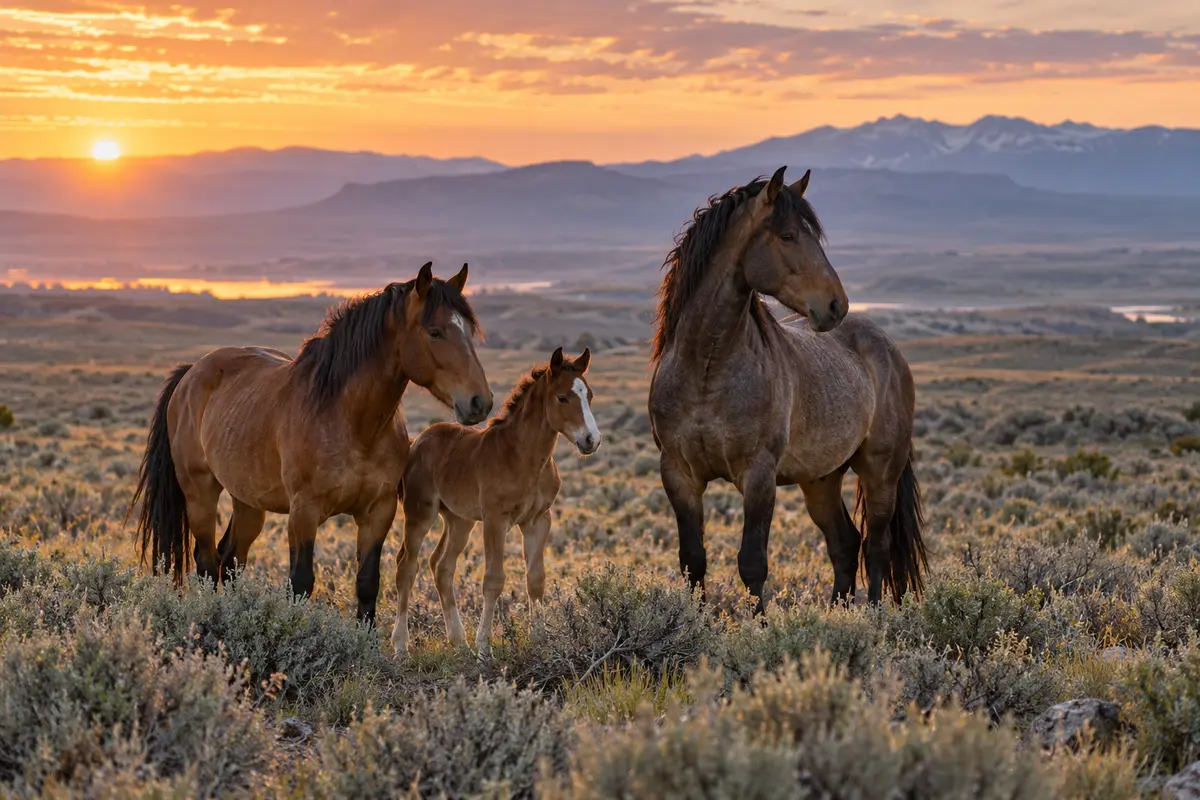
What happened in Colorado
The BLM’s final gather report lists 355 stallions, 368 mares and 171 foals among the animals gathered. The agency’s daily reports say some deaths followed pre-existing conditions, while others were classified as acute or unexpected. The result intensified an already bitter dispute over whether helicopters are a necessary management tool or an avoidable source of stress and danger.
On September 3, 2026, Colorado Gov. Jared Polis and Rep. Joe Neguse called for an immediate halt to helicopter roundups in the state. They described the method as inhumane and unnecessary and urged federal officials to pursue alternatives.
BLM argues that gathers are needed when populations exceed what available forage and water can support. The agency reported an estimated 85,466 wild horses and burros on BLM-managed lands as of March 1, 2026, compared with a maximum Appropriate Management Level of 25,592. BLM says overpopulation, drought and limited resources can threaten both herd and rangeland health.
A bill, not a ban
H.R. 4356 is still a proposal. It has not passed the House or Senate and has not been signed into law. That distinction matters: federal agencies may continue using aircraft under current law while Congress considers the measure.
The bill also would not end federal management of wild horses. Instead, it would require a shift away from aircraft and ask the GAO to evaluate other approaches, including fertility control and removal methods that do not rely on helicopters or fixed-wing planes.
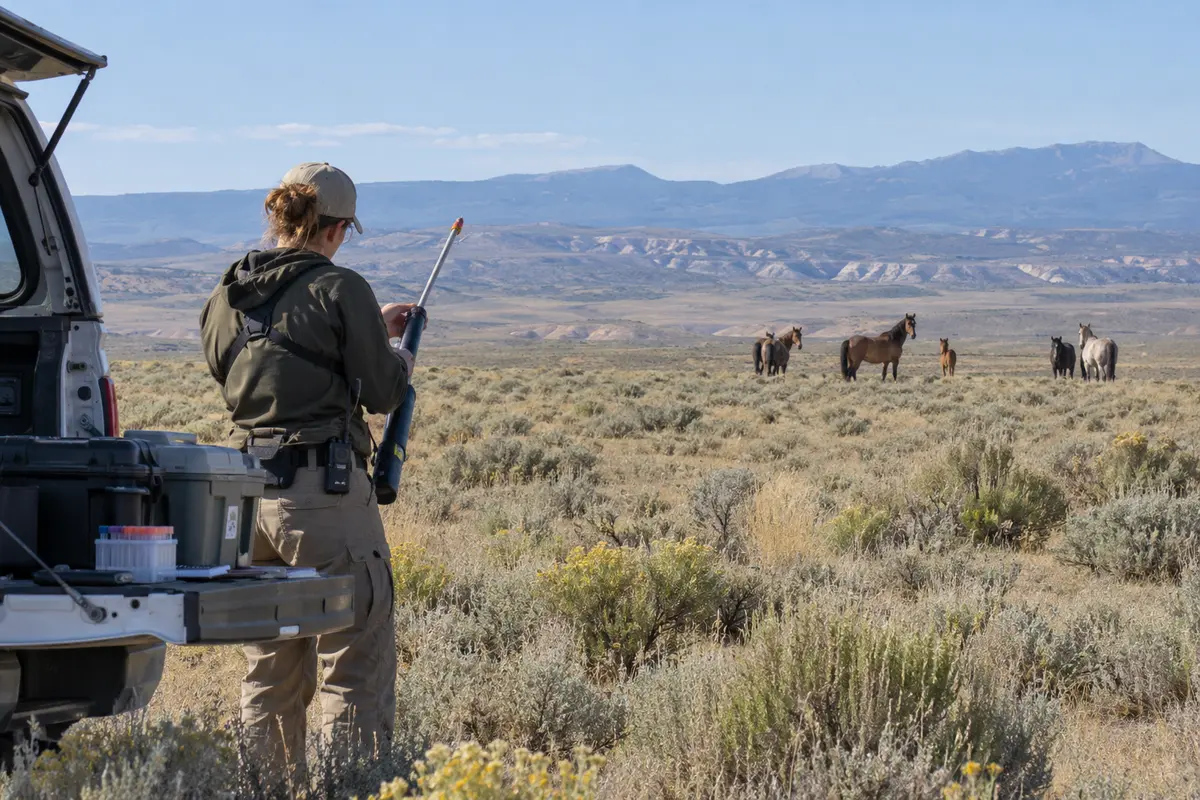
The search for a durable alternative
Fertility control is central to many calls for reform because it can slow herd growth while allowing more horses to remain on the range. BLM already uses fertility-control treatments in some herds and says it plans to expand them as populations approach target levels. Advocates argue that the government should invest much more heavily in those programs before relying on repeated removals.
There are no easy numbers in this debate. Herds can grow quickly, western rangelands face drought and competing uses, and thousands of removed animals require years of taxpayer-funded care. At the same time, a management method that can separate family bands and sometimes end in injury or death deserves close scrutiny.
The 2026 Colorado roundup shows why the issue has returned to Congress. The central question is not whether wild horses should be managed, but which methods protect animals, public lands and taxpayers with the least avoidable harm.
Sources
- GovInfo: H.R. 4356, Wild Horse and Burro Protection Act of 2025
- Bureau of Land Management: 2026 Piceance-East Douglas/West Douglas gather
- Bureau of Land Management: program data and 2026 population estimates
- Rep. Joe Neguse: Colorado officials call for a halt to helicopter roundups
