
White tigers have long captivated people with their striking appearance, but the truth behind their existence in captivity is far from magical.
These creatures are not distinct subspecies or albinos; they are Bengal or Siberian tigers with a rare genetic mutation called leucism, affecting their fur pigmentation and giving them unique white coats.
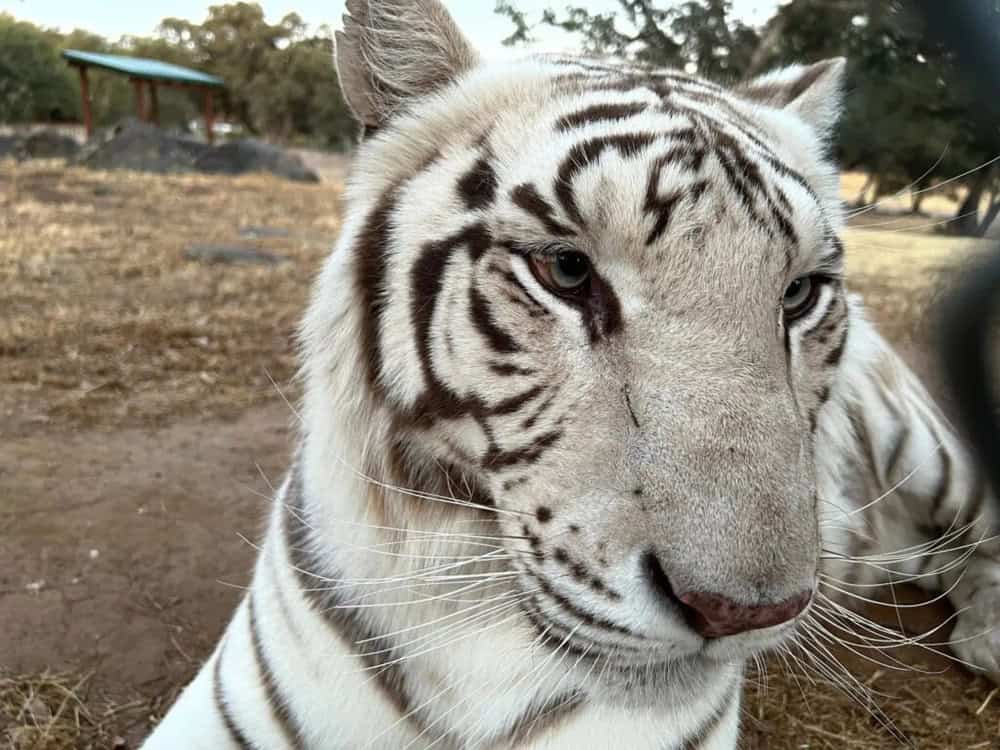
According to wildlife experts, this mutation is sporadic, occurring in just 1 out of 10,000 tiger births.
The Struggle for Survival
A white coat offers no evolutionary benefits in the wild and poses significant risks. White tigers are highly visible, making them easy targets for predators and hindering their hunting ability.
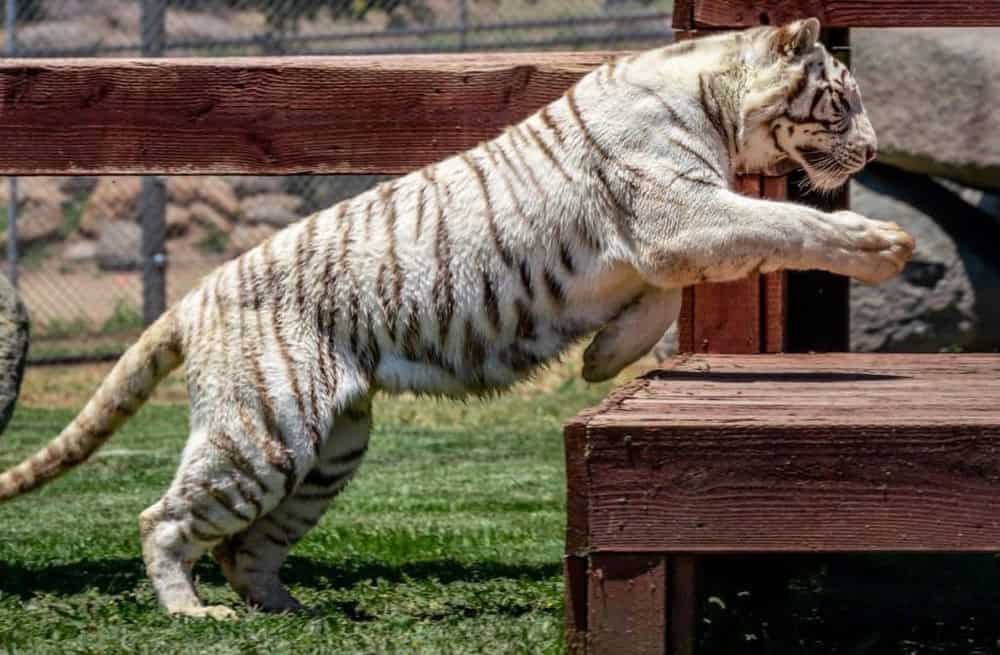
However, the biggest threat to their survival comes from the captive breeding industry, which exploits these animals for profit under the guise of conservation.
Breeders often inbreed tigers to increase the likelihood of producing white cubs, leading to severe health problems such as heart defects, optic nerve damage, and immune system deficiencies. This results in a high neonatal mortality rate of over 80%.
Additionally, breeders often discard surplus or imperfect tigers, whether white or orange, by hiding them away or euthanizing them, contributing to the disparity between captive and wild tiger populations.
Profit Over Preservation
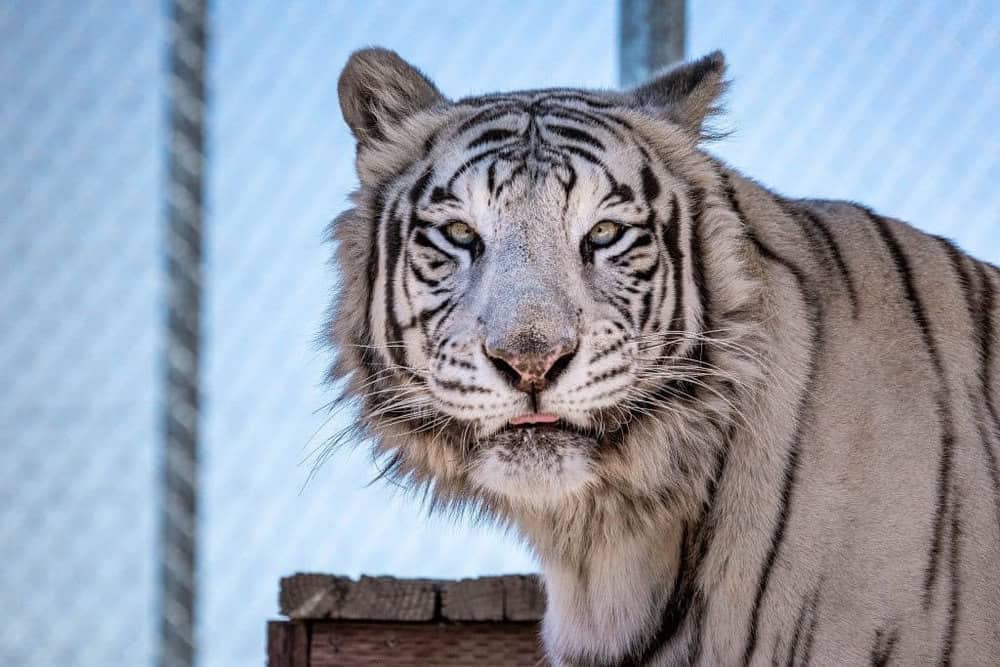
Captive tiger cubs are seen as valuable assets, drawing crowds and generating revenue through photo opportunities and visitor interactions.
Prominent figures like Siegfried and Roy have profited from showcasing these exotic animals, overshadowing genuine conservation efforts. However, the funds generated from these activities rarely support actual conservation projects.
As tigers age, some facilities resort to unethical practices such as euthanizing surplus adults and selling their parts on the illegal market.
Rethinking Conservation Needs
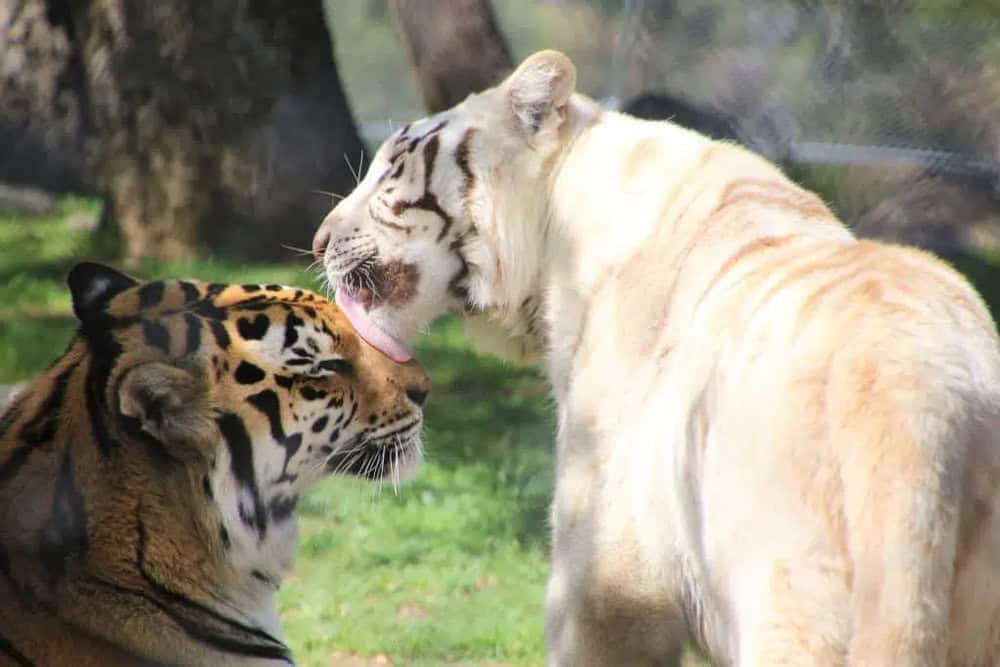
Contrary to popular belief, white tigers are not endangered, and their unique appearance does not necessitate conservation efforts.
Exploiting them for profit perpetuates harmful practices and further endangers wild tiger populations.
With more tigers in captivity than in the wild, climate change, poaching, and habitat loss pose significant threats to their survival.
The Impact of Inbreeding on Conservation
Inbreeding among captive tigers reduces genetic diversity and increases the expression of harmful traits, compromising the success of conservation efforts.
This practice exacerbates population declines and diminishes the ability of tigers to adapt to changing environments, hindering their chances of survival.
Addressing the exploitation of white tigers requires a genuine commitment to conservation. Organizations like Lions Tigers & Bears are crucial in rescuing and rehabilitating tigers from exploitative situations.
These sanctuaries prioritize the welfare of the animals, providing enriching habitats and raising awareness about wild tiger conservation, combating poaching, habitat loss, and human-wildlife conflicts.
Supporting accredited sanctuaries ensures ethical treatment and care for rescued animals. Donations and volunteering opportunities enable individuals to make a meaningful impact on animal welfare, education, and conservation, creating a brighter future for these magnificent creatures and our planet.
Read more Wildlife News.


