
The Asiatic lion (Panthera leo persica) embodies power, resilience, and the importance of conservation.
Once found across vast regions of Asia, these majestic cats are now limited to the Gir Forest National Park in Gujarat, India. This article delves into their unique traits, their challenges, and their efforts to protect them.
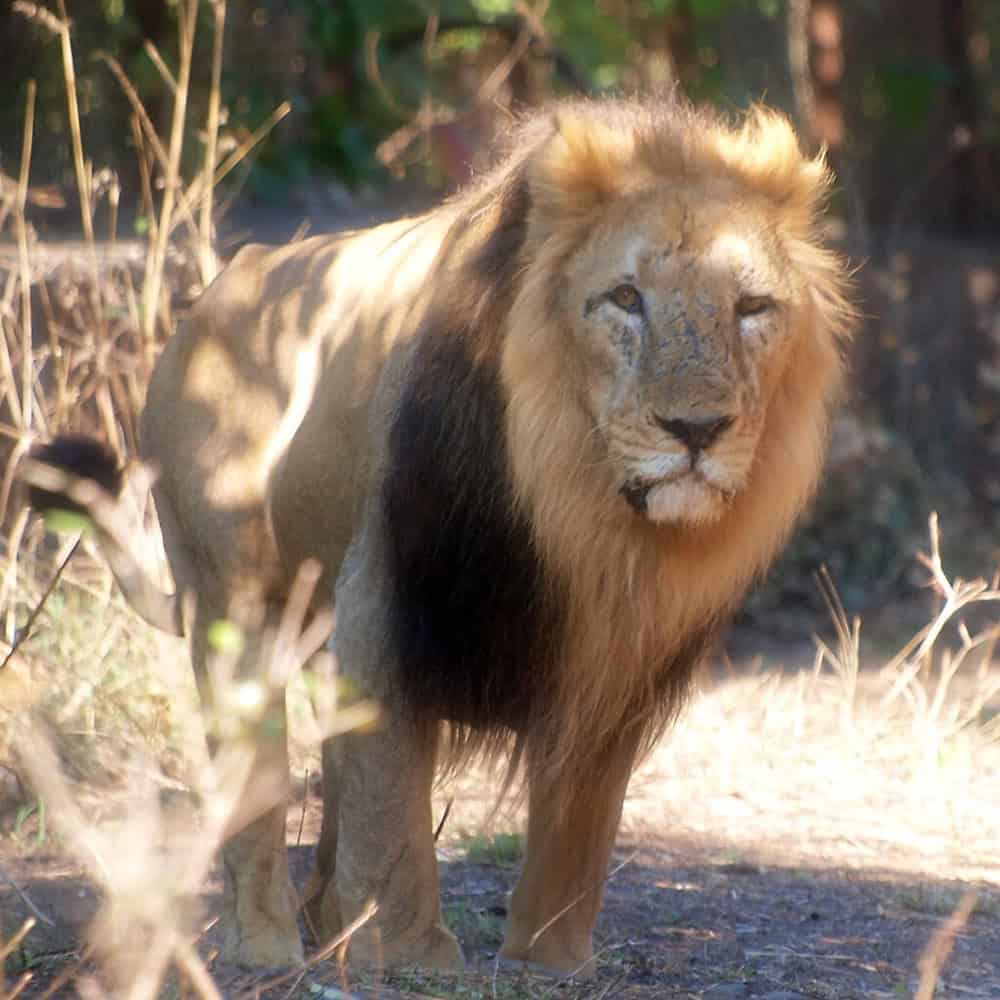
As a subspecies of the more familiar African lion, the Asiatic lion has distinct features. They typically have shorter, sparser manes and are slightly smaller in size.
Adapted to the diverse ecosystems of the Indian subcontinent, their genetic lineage sets them apart from their African relatives.
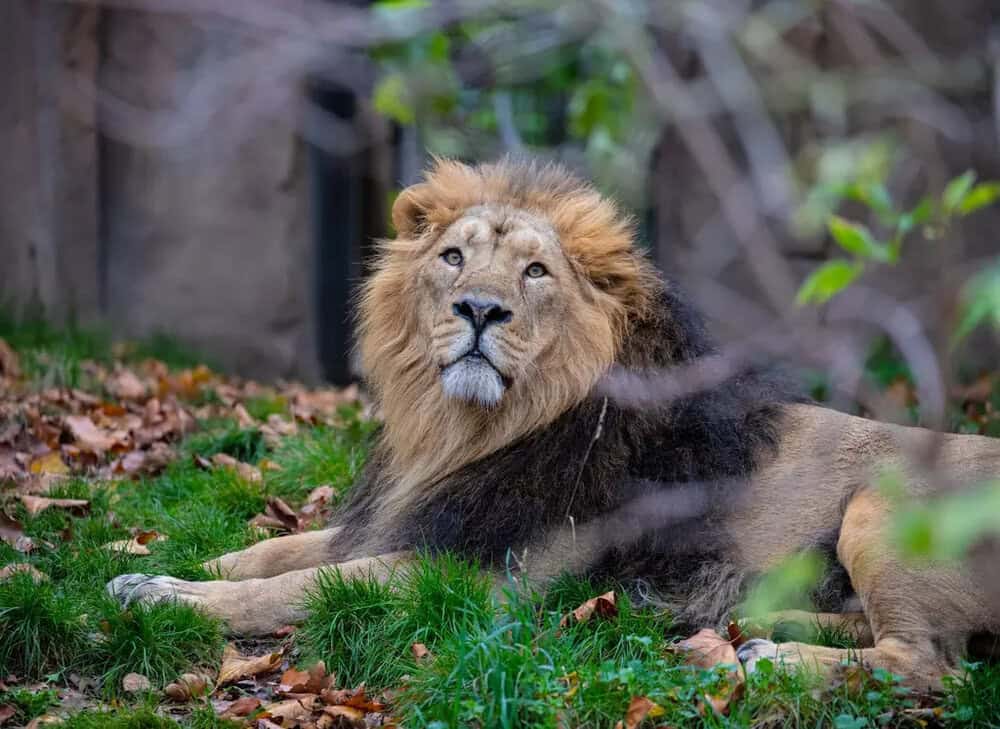
Historically, Asiatic lions roamed the Middle East and the Indian subcontinent. However, habitat loss, human-wildlife conflict, and hunting have drastically reduced their range.
Today, they are confined to the Gir Forest, highlighting the need for urgent conservation efforts to protect this endangered species.
Several factors threaten the survival of the Asiatic lion. Human activities leading to habitat fragmentation, poaching, and diseases are primary concerns.

Their population concentration in a single location increases the risk of a catastrophic event, such as a disease outbreak, which could severely impact the entire species.
Various conservation initiatives have been put in place to safeguard the Asiatic lion. These include habitat restoration, community engagement programs, and stringent anti-poaching measures.
Involving local communities is crucial for promoting coexistence and minimizing human-wildlife conflict.

Tourism plays a dual role in the conservation of the Asiatic lion. Responsible eco-tourism can generate funds for conservation projects and raise awareness about preserving this species.
However, unregulated tourism can threaten the lions and their habitat. Finding a balance between these two aspects is essential for the long-term survival of the Asiatic lion.
The Asiatic lion’s story is one of resilience in the face of adversity. Protecting this endangered species requires addressing the root causes of its decline and working together for a sustainable future.
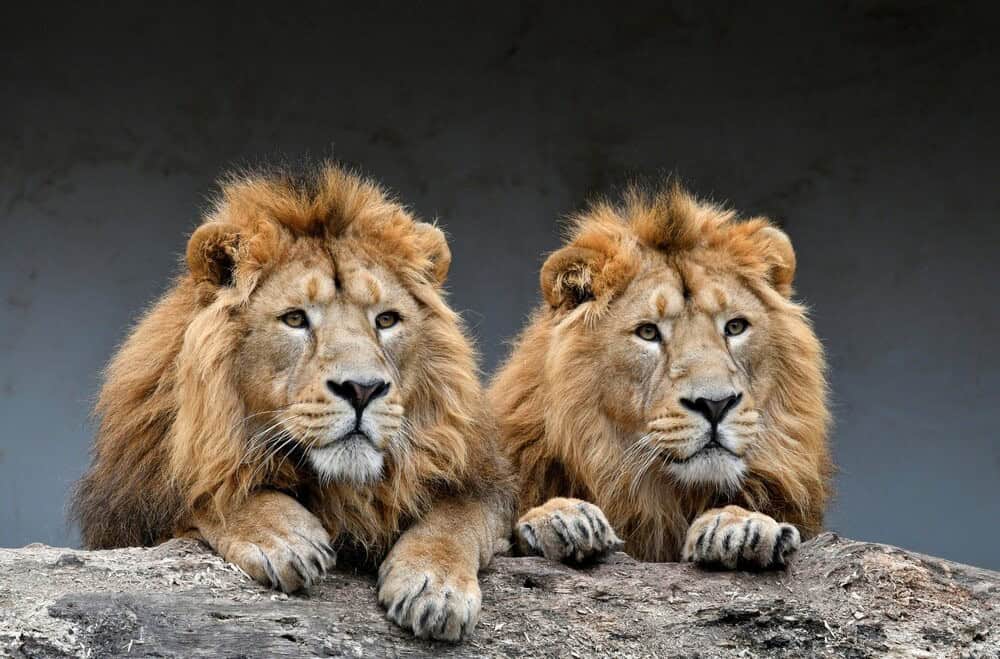
Through conservation efforts, responsible tourism, and global awareness, we can help preserve the Asiatic lion and honor its role as a symbol of strength and biodiversity in Asia.
Read more Wildlife News.


