
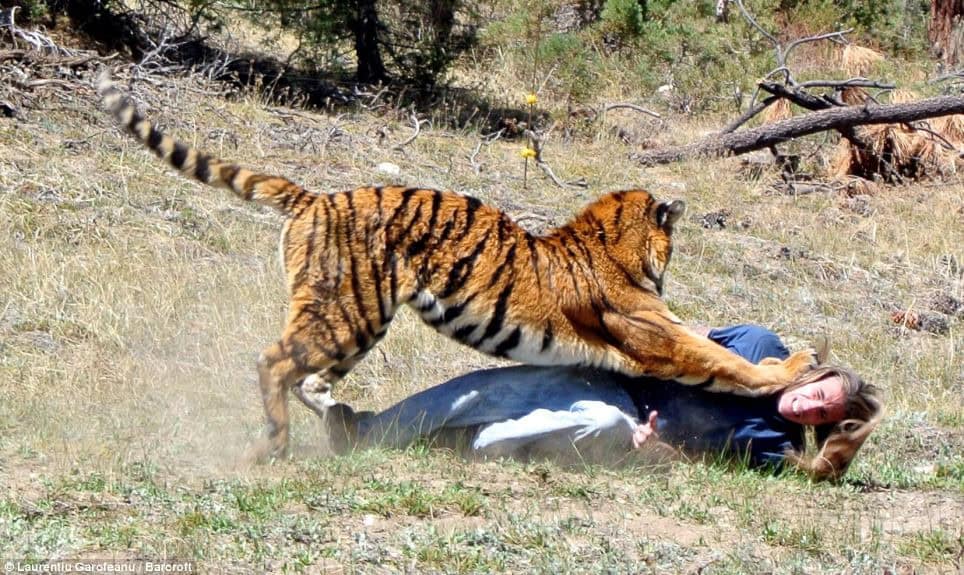
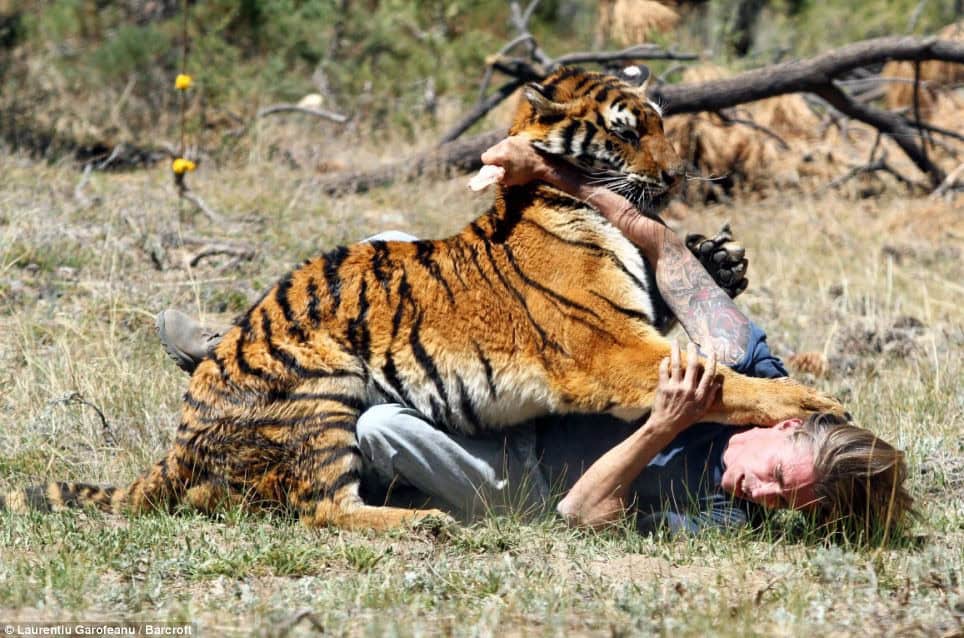
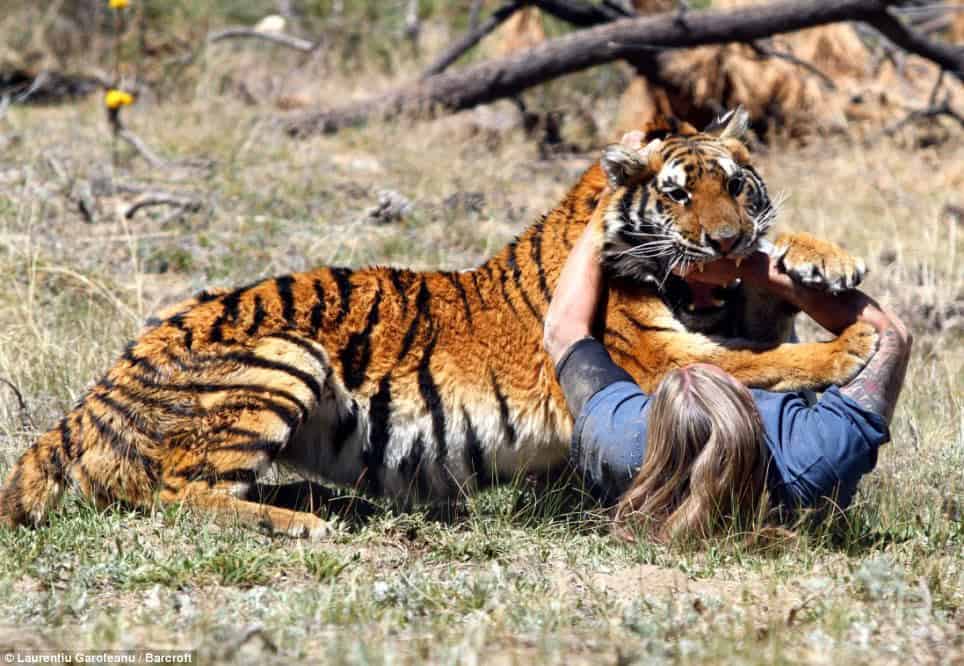
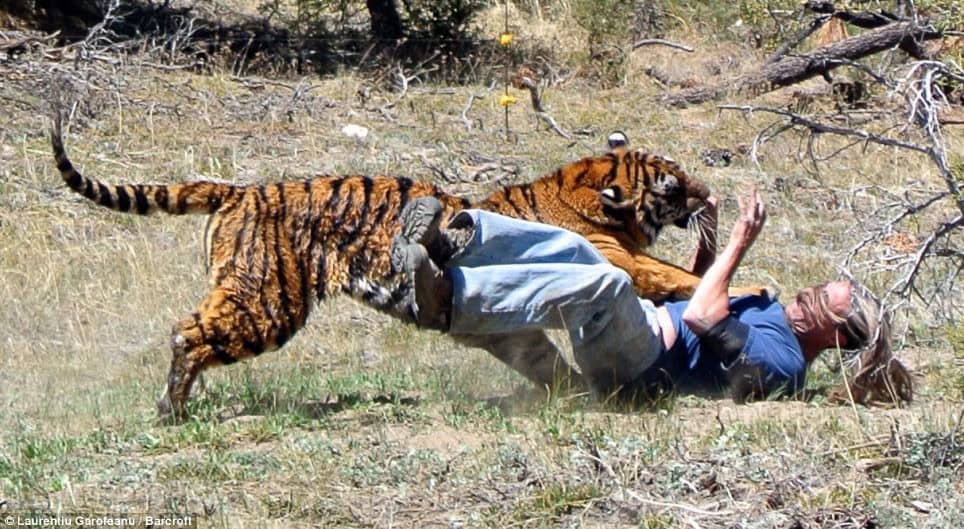
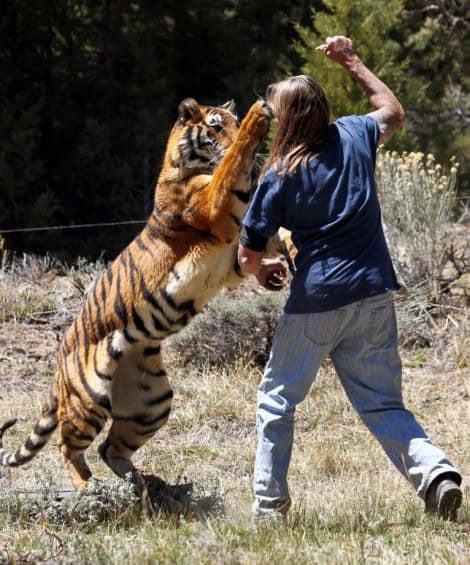
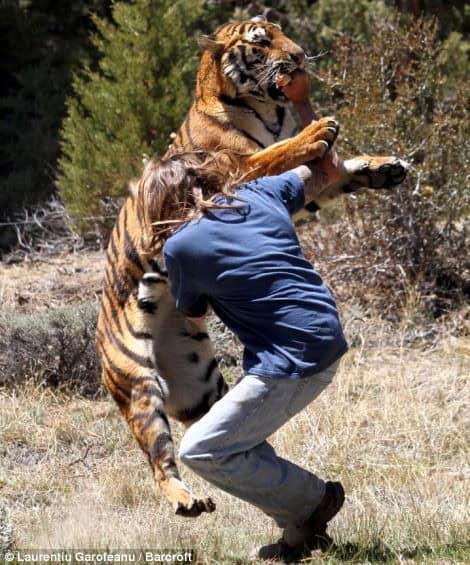
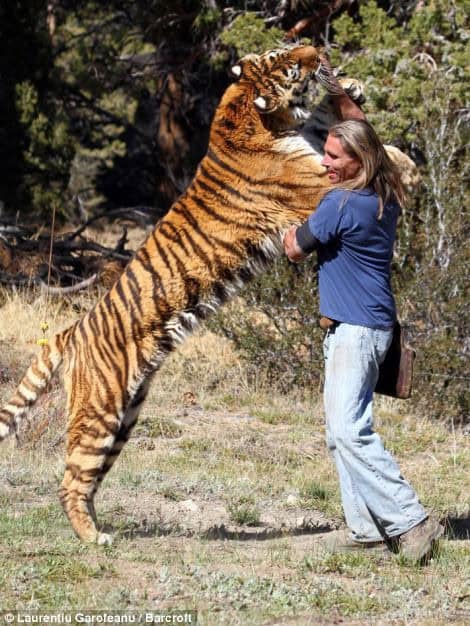
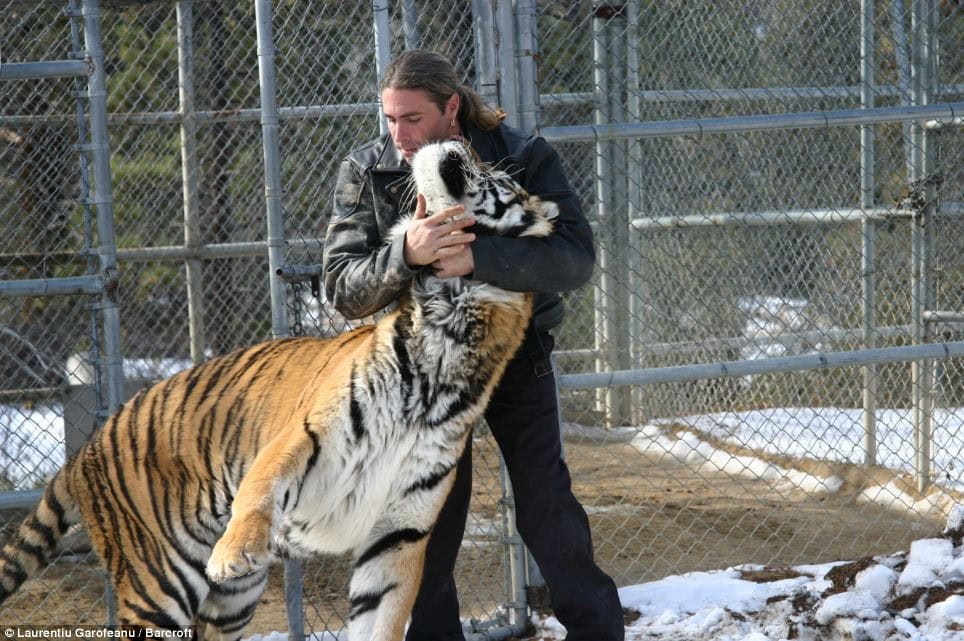
In entertainment, few things captivate audiences more than the thrill of danger. One such spectacle that has both fascinated and divided viewers is the staged tiger attack, where a fearsome tiger appears to confront its trainer or performer.
But what goes on behind the scenes? Let’s uncover the truth about these dramatic performances.

At first sight, a staged tiger attack looks like a display of sheer, untamed power. The tiger roars, its muscles tense, and the audience watches in awe.
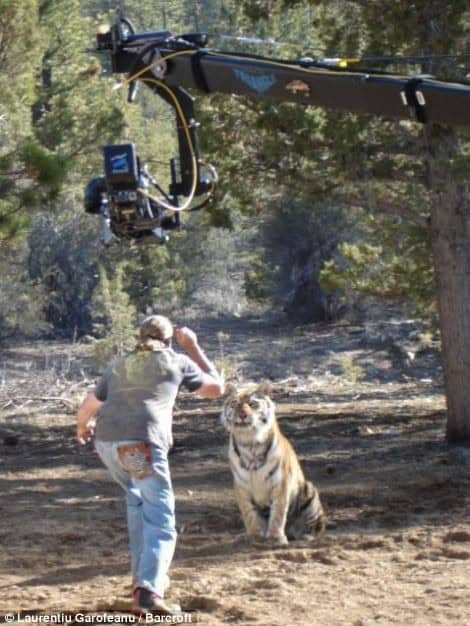
However, beneath this facade of danger lies a meticulously planned act designed to thrill without posing any real threat to the animal or the human involved.
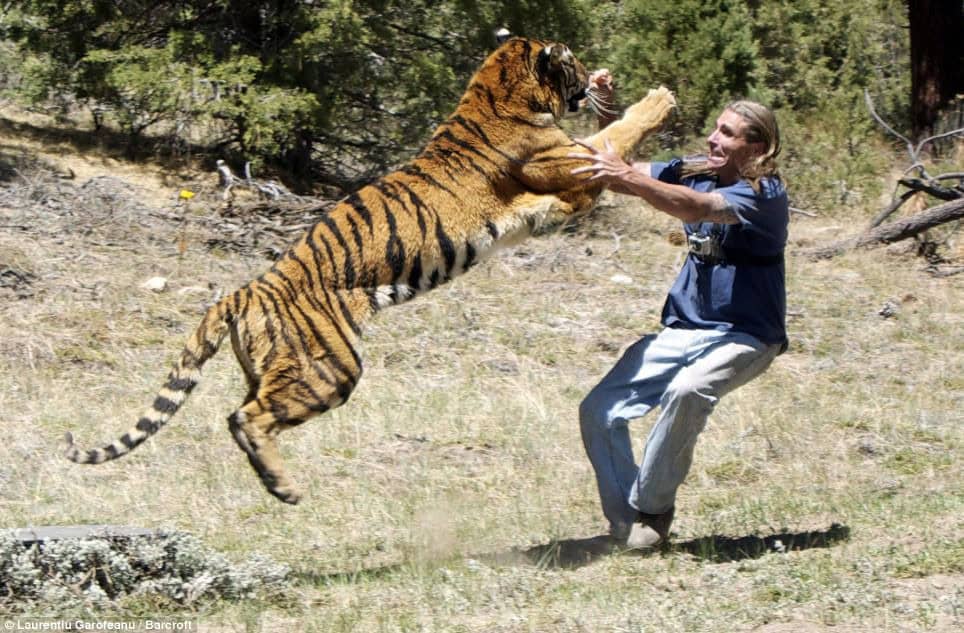
Trainers and handlers spend countless hours fostering trust and rapport with their big cats. Using positive reinforcement techniques, they teach the animals specific cues and behaviors that mimic aggression but are executed under strict control.
These cues might include a low growl, a paw swipe, or a mock charge, all carefully choreographed and rehearsed to perfection.
Safety is a top priority in these performances. Handlers use specialized equipment like protective clothing and barriers to ensure safety during the act.
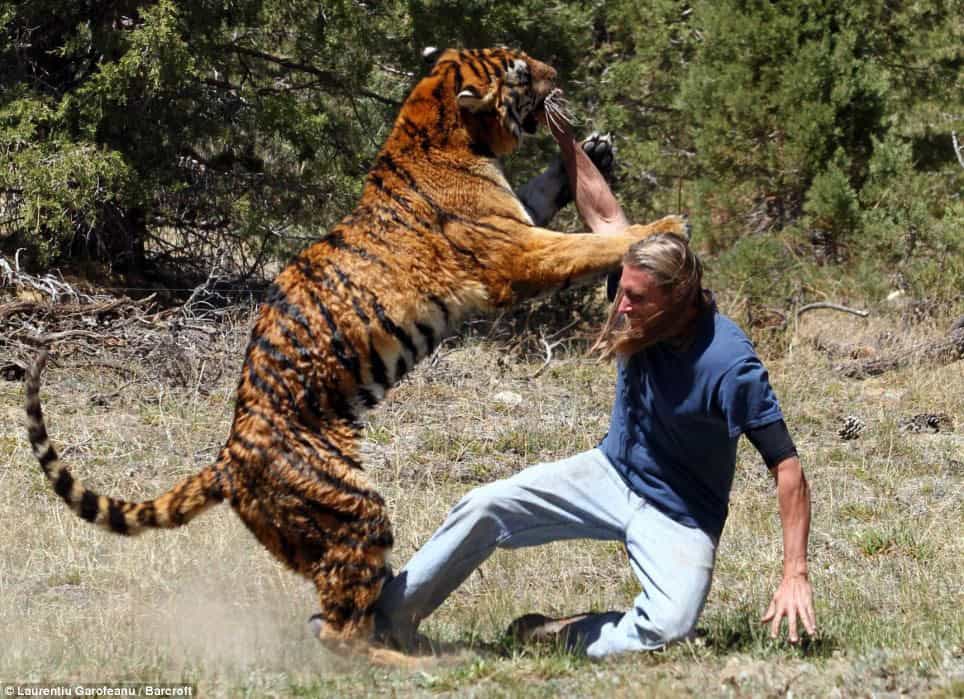
The tigers are not forced to perform; instead, they respond to cues voluntarily, often motivated by rewards such as treats or affection from their trainers.
The risks associated with staged tiger attacks cannot be eliminated despite these precautions.
Mistakes can happen, and even the most experienced trainers can be in dangerous situations.
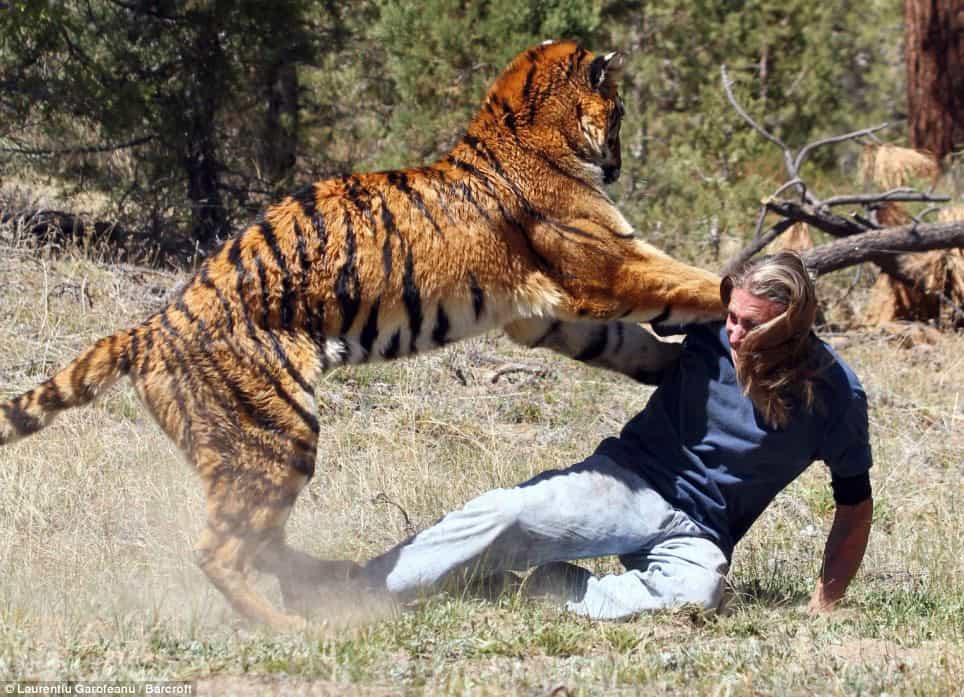
Therefore, trainers and audiences must recognize the inherent dangers and approach these performances with responsibility and respect for the animals.
In conclusion, while staged tiger attacks may offer a thrilling spectacle, they are far from spontaneous displays of wild aggression.
Behind the scenes, meticulous training, trust-building, and safety protocols ensure these performances remain controlled and exciting.
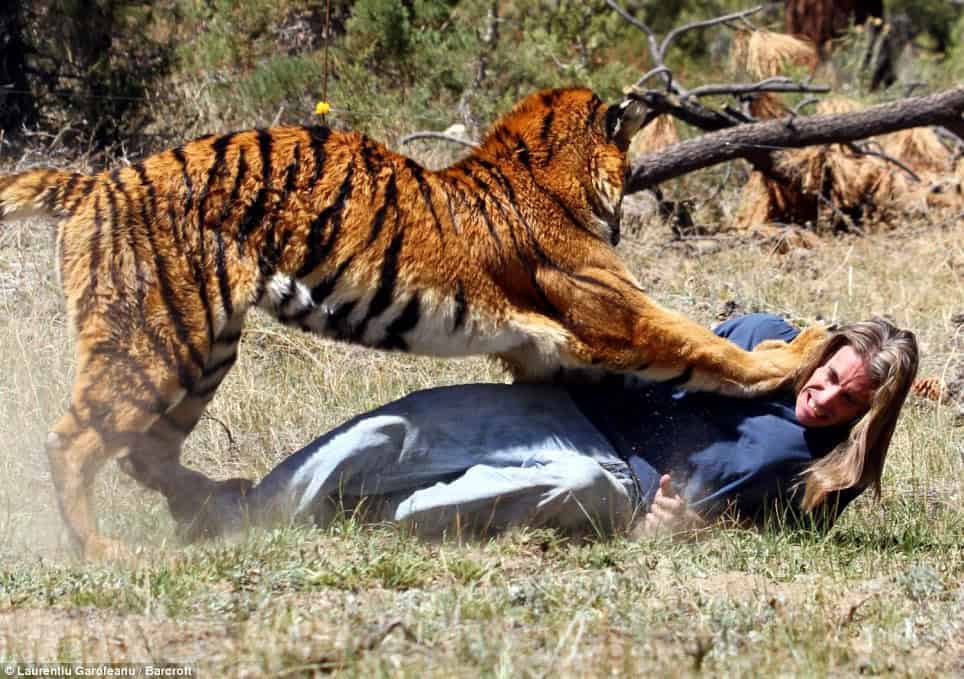
As spectators, it’s essential to appreciate the skill and dedication of the trainers and the beauty of these magnificent animals while also advocating for their welfare and humane treatment.


Read more Wildlife News.


