
In the dense forests of Maharashtra, India, leopards once roamed freely. However, with increasing human settlements and agriculture, these magnificent creatures have been forced to adapt to new environments.
Deforestation, habitat encroachment, and poaching have pushed leopards out of their natural homes into buffer zones like sugarcane fields, where they seek refuge and raise their young.
If you prefer not to read the full story,
Skip ahead to watch the video ->
A recent story from Takali Haji village illustrates the delicate balance of human-wildlife interactions in these areas.
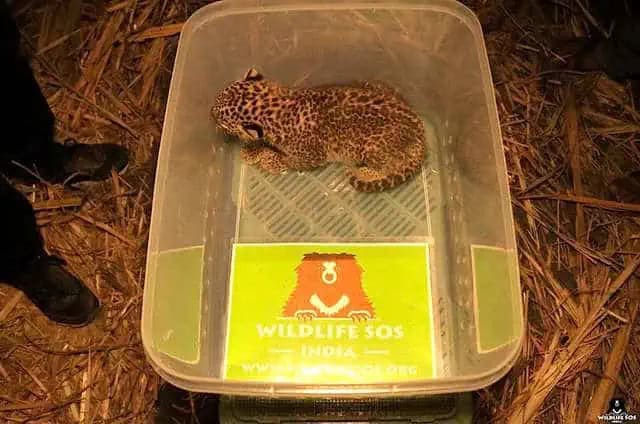
Sugarcane farmers discovered four leopard cubs, barely able to open their eyes, huddled together with wounds and scars from unknown threats.
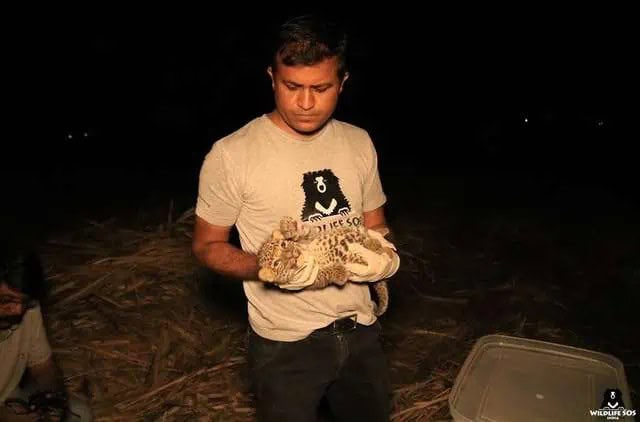
Driven by compassion, the farmers contacted forest officers and Wildlife SOS. The rescue team quickly arrived, provided medical care, and devised a plan to reunite the cubs with their mother.
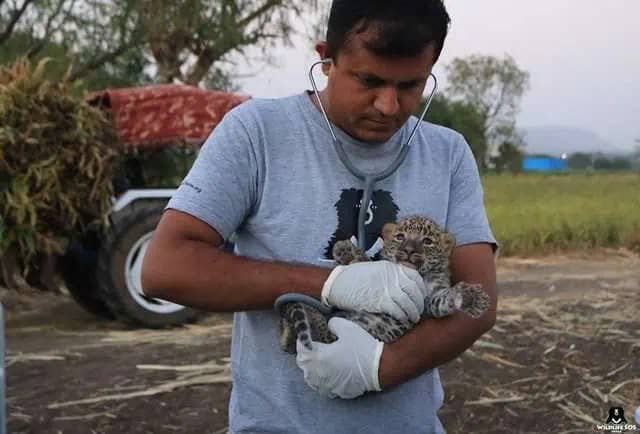
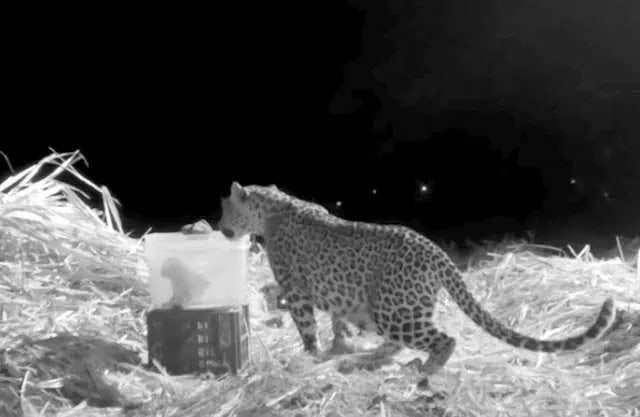
They placed the cubs in a secure box and returned them to the sugarcane field, setting up a hidden camera to capture the reunion.
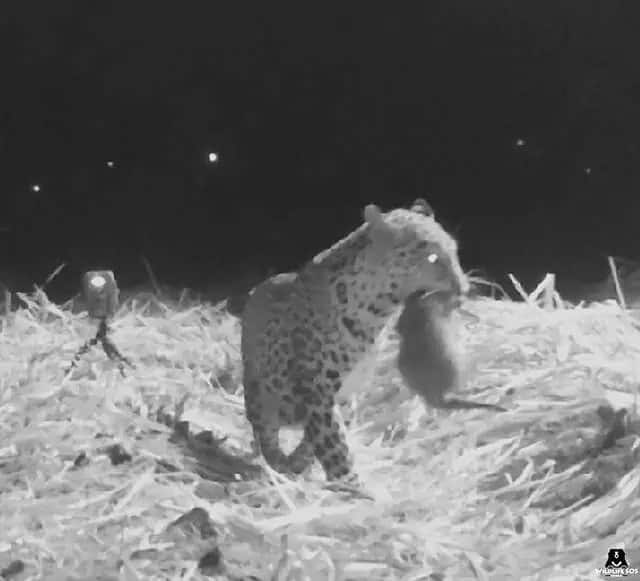
Soon after, a leopard emerged from the nearby forest. Guided by her maternal instincts, she found her vulnerable cubs, comforting and reassuring them before gently carrying them back into the safety of the woods.
The touching footage of the reunion highlights the resilience of wildlife and the vital role of human intervention in their survival.
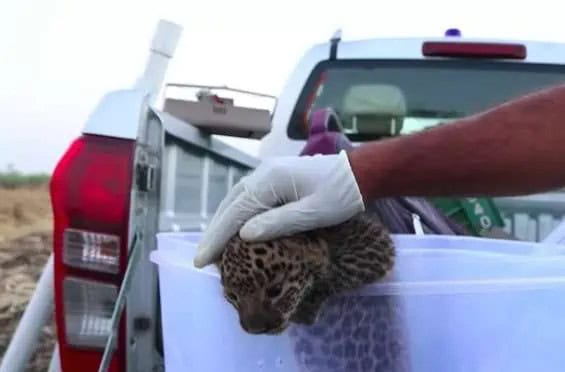
Without the timely actions of the farmers and rescuers, this reunion might not have happened, emphasizing the need for coexistence between humans and wildlife in shared landscapes.
This uplifting story of compassion and cooperation also draws attention to the broader conservation challenges facing leopards globally. It reminds us of our collective responsibility to protect their habitats for future generations.
Through dedicated efforts and community involvement, we can create a world where humans and wildlife live together in harmony and mutual respect.
Read more Wildlife News.


