
Across the vast landscapes of Sabi Sands, a coalition of six lions known as the Mapogo lions once ruled with remarkable strength and fearlessness. Their legacy is not just a tale of survival but a saga of unparalleled dominance over their territory.
The Mapogo lions were known for their sheer power and unmatched reputation, claiming the lives of over 100 lions and wiping out entire prides in their pursuit of control.

This coalition of brothers commanded around 70,000 hectares of wilderness, transforming the lion population and altering the landscape they governed.
Known for their ruthless methods, the Mapogo lions earned a reputation as fearsome and relentless.
Stories of their dominance include accounts of cannibalism, where they solidified their authority by consuming rivals, showing both their defiance and unwavering commitment to control.

Named after a South African security company with a similarly fierce reputation, the Mapogo lions left an indelible impact on lion dynamics.
Their influence showcased how coalitions of powerful male lions can reshape territories and affect the populations within them.
Though coalitions like the Mapogo are rare, they are not unique. Groups of six or more male lions, such as the Bila Shaka coalition, also navigate the wilderness, leaving their imprint on the ecosystems they dominate.
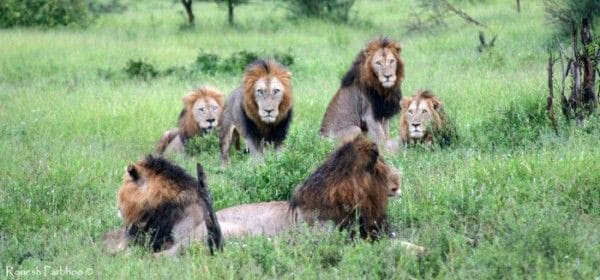
These alliances form for survival and control, often made up of lions who grew up together, building bonds essential for the coalition’s strength.
As young male lions mature, they leave their prides to create or join coalitions, facing the challenge of establishing themselves as dominant forces.
This independence brings new difficulties, including the need to hunt and defend against rivals, as they strive to secure territory and mate with females to sustain future generations.

The story of the Mapogo lions is a powerful example of survival in the wild—a relentless drive for dominance and resilience that defined a new era in the Sabi Sands wilderness.
Read more Wildlife News.


