
Due to their declining numbers, Zambia has officially banned the hunting of lions and other endangered big cats.
The country’s tourism minister, Sylvia Masebo, emphasized the greater value of wildlife tourism over hunting for sport.
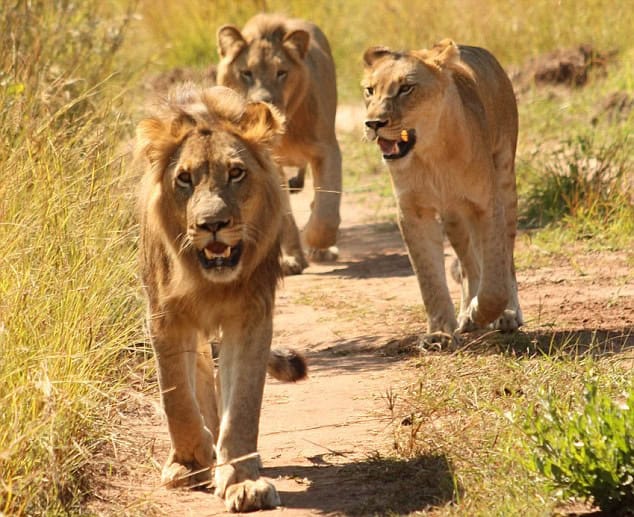
“Tourists visit Zambia to see lions, and losing them would severely damage our tourism industry,” Masebo stated.
She added that the annual revenue of around £2 million from safari hunting of all wild animals is not enough to justify the continued loss of wildlife. In comparison, tourism centered around game viewing brings in much higher returns.
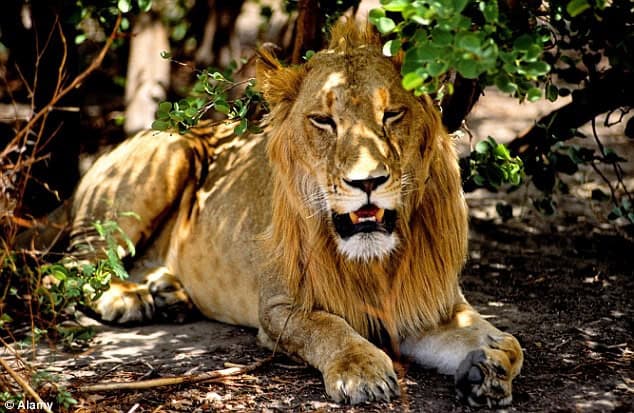
Zambia’s leopard population remains uncertain, while the number of lions is estimated at fewer than 4,500.
Across Africa, lion populations are believed to range between 20,000 and 30,000, according to the International Union for Conservation of Nature (IUCN).
However, these numbers are shrinking due to conflicts with farmers, habitat loss, and a reduction in available prey.
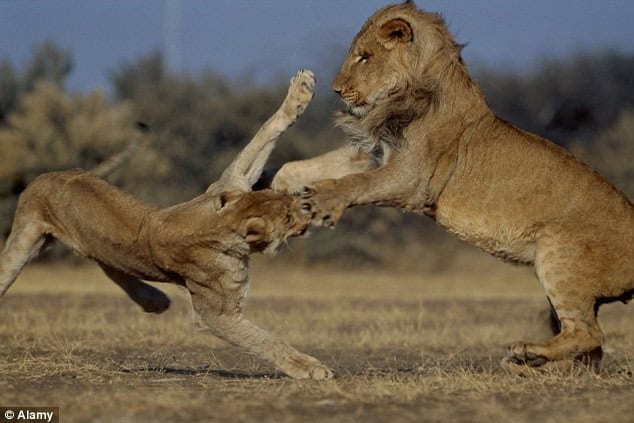
This move follows Botswana’s similar decision to ban sport hunting, which started in 2014, as part of efforts to position the country as a prime destination for wildlife tourism. Kenya has also been a leader in wildlife conservation, having banned trophy and sport hunting decades ago.
Lions and leopards are two of Africa’s “Big 5” animals, including elephants, rhinos, and Cape buffalo.
While these animals have been popular among trophy hunters, growing concerns about wildlife conservation—especially with the rise in poaching of elephants for ivory and rhinos for their horns—are driving more African nations to protect their wildlife and prioritize sustainable tourism.
Read more Wildlife News.


